Trending Travel Destinations in Europe: 8 Emerging Places to Visit in 2026
Discover
Europe’s travel map is shifting. While the classic capitals remain perennially popular, a new wave of destinations is quietly stepping into the spotlight—places that offer culture without the crowds, value without compromise, and landscapes that still feel refreshingly unspoilt. From Adriatic coastlines to Alpine escapes and revived historic cities, these are the European destinations travellers are increasingly turning to.
Slovenia: The Julian Alps & Ljubljana
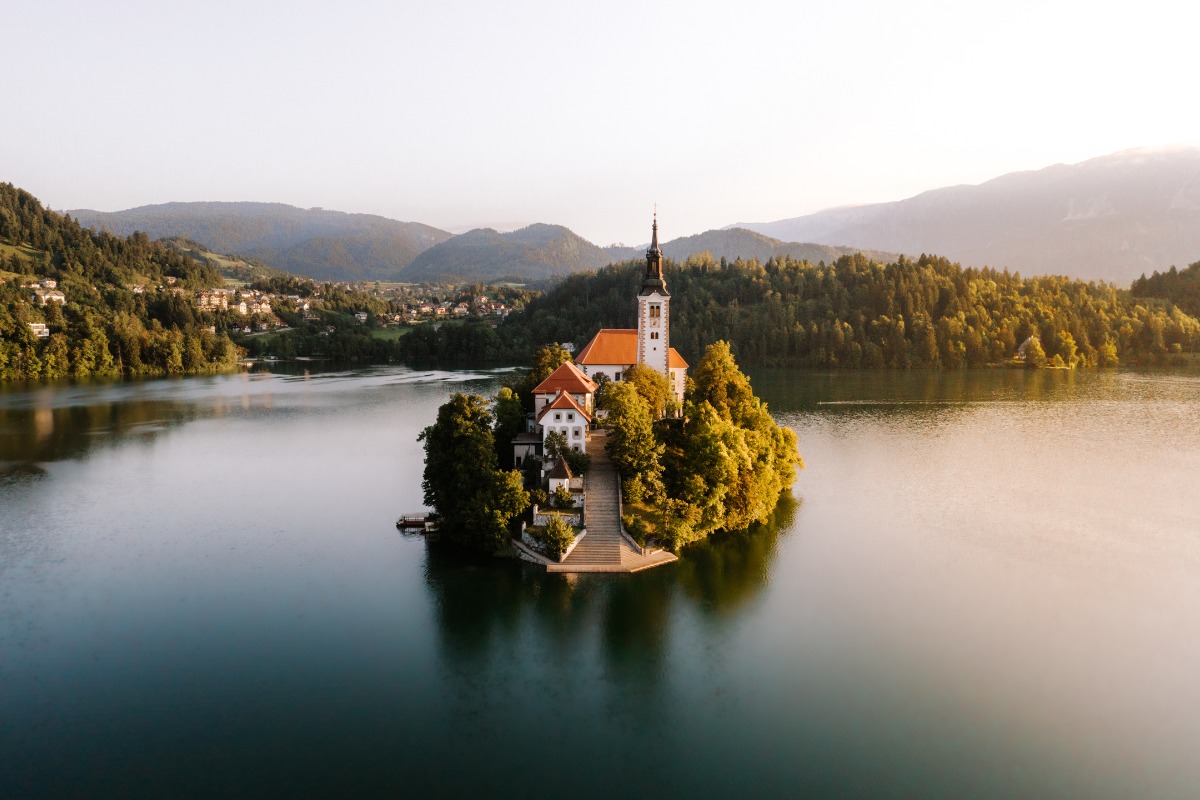 Slovenia has been steadily moving from “hidden gem” to firmly “on the radar”, and it’s easy to see why. Ljubljana, its compact capital, feels like a softer-edged version of Venice—complete with a river running through its heart, elegant bridges, and a lively café culture, but without the overwhelming crowds.
Beyond the city, the Julian Alps offer some of Europe’s most accessible mountain scenery. Lake Bled, with its island church and fairytale setting, is an effortless day trip, while Lake Bohinj and Triglav National Park reward those willing to venture further with dramatic peaks and crystalline waters. Slovenia’s appeal lies in this balance: city charm and alpine grandeur within easy reach of one another.
Italy: Puglia & the Valle d’Itria
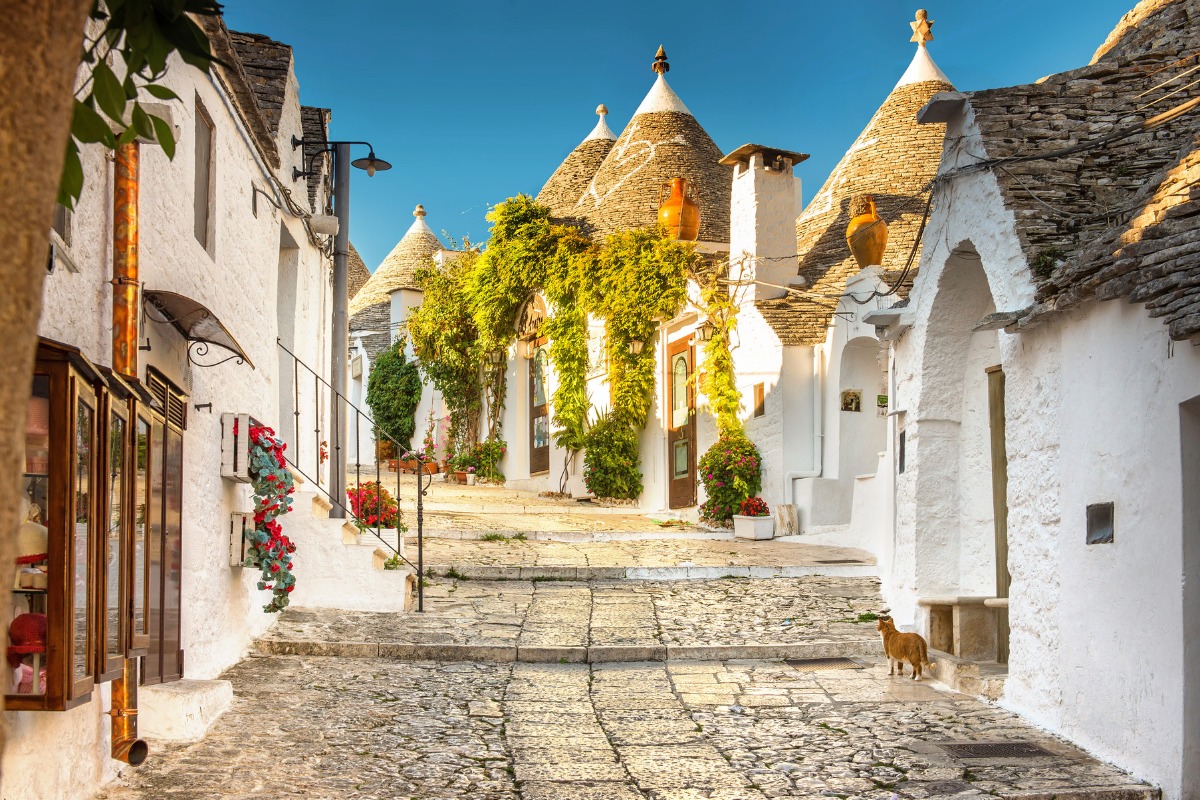 Puglia has become one of Italy’s most talked-about regions in recent years, and the Valle d’Itria remains its most distinctive pocket. This is the land of trulli—whitewashed stone huts with conical roofs—dotted across olive groves and rolling countryside.
Restored masserias (farmhouses turned boutique stays) have elevated the region’s appeal, blending rustic authenticity with contemporary comfort. Add vineyard-dotted landscapes, baroque towns like Ostuni and Lecce within reach, and an increasingly confident culinary scene, and it’s easy to understand why Puglia continues to trend as a slower, more grounded alternative to the north.
Spain: Seville
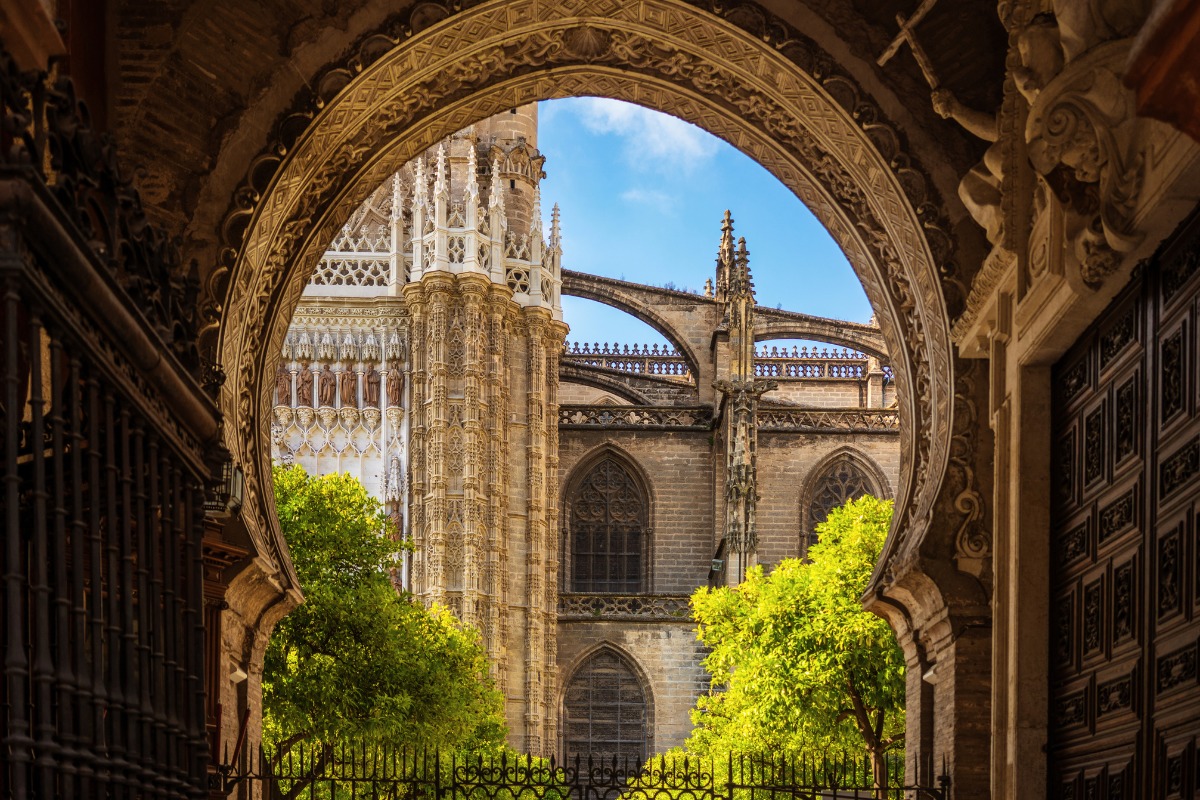 Seville has long been admired, but it is now experiencing renewed attention as travellers look for culturally rich, sun-drenched European cities outside the obvious choices. The city’s Moorish heritage is central to its appeal, most notably in the breathtaking Alcázar palace.
Beyond its landmarks, Seville thrives on atmosphere: orange-tree-lined plazas, flamenco rhythms drifting from tucked-away bars, and an enduring tapas culture that encourages slow, sociable dining. It is one of Spain’s most characterful city experiences.
Albania: Ksamil
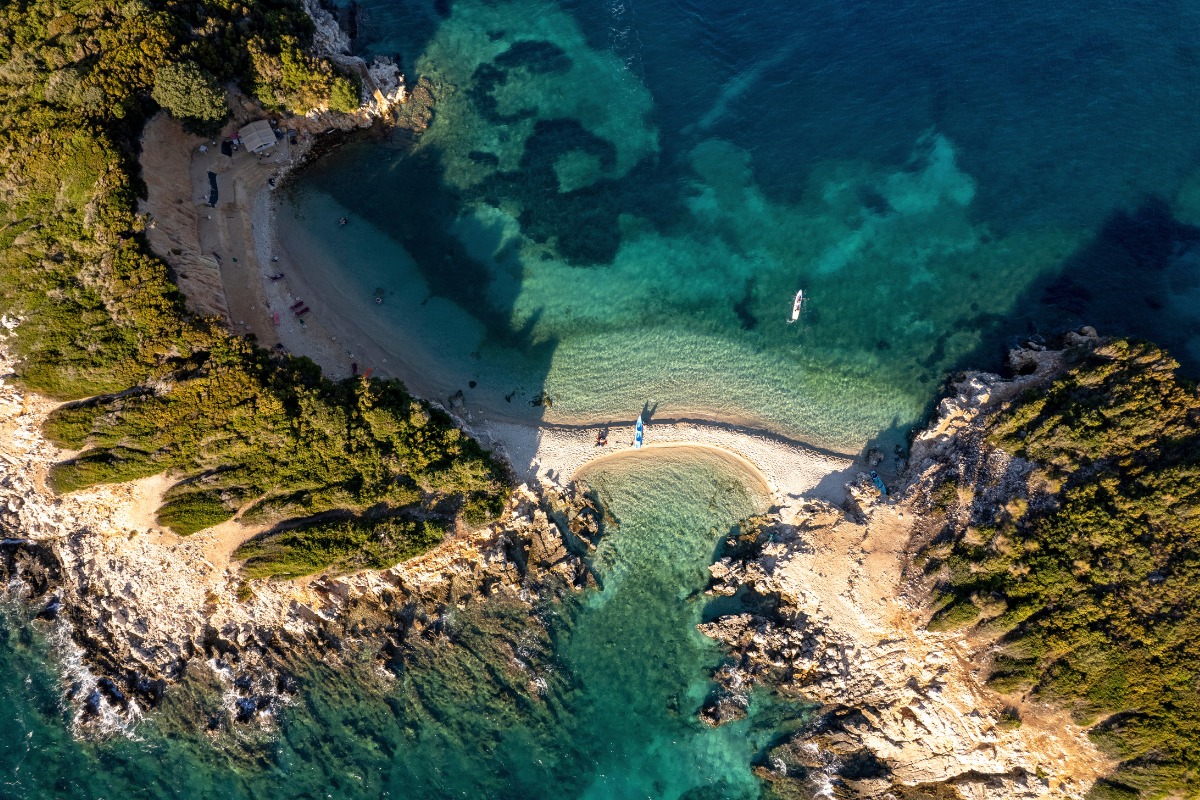 Ksamil has become one of Europe’s fastest-rising beach destinations, offering clear turquoise waters and white-pebble coves that rival the Greek islands—at a fraction of the cost and crowds.
Located near the Albanian Riviera and close to the UNESCO-listed Butrint National Park, it combines natural beauty with a sense of emerging discovery. While development is increasing, Ksamil still retains a raw, unpolished charm that is driving its growing popularity among younger travellers and coastal explorers.
Portugal: The Alentejo Coast
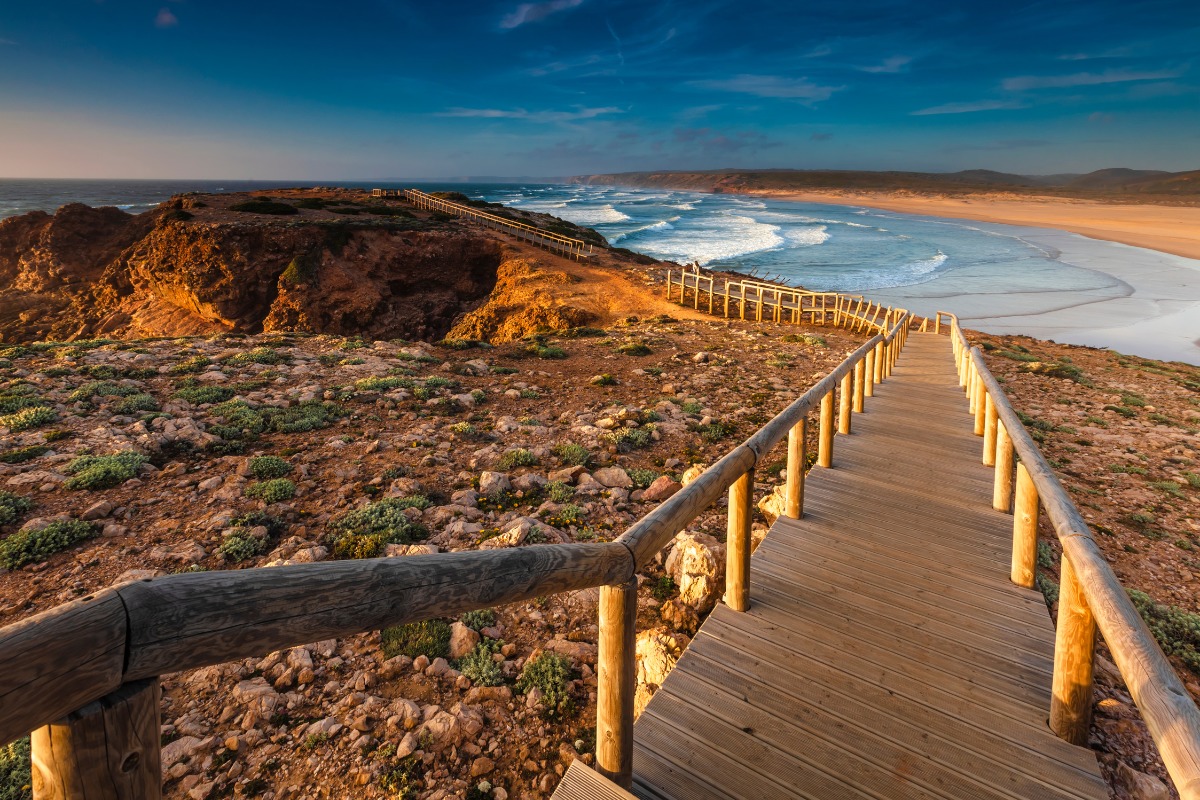 As the Algarve continues to attract high volumes of visitors, travellers are increasingly turning north to the Alentejo Coast. This stretch of Atlantic coastline remains one of Portugal’s most unspoilt regions—wild, rugged, and quietly spectacular.
Think long, empty beaches backed by golden cliffs, whitewashed villages where life moves slowly, and some of the freshest seafood in the country. Towns such as Vila Nova de Milfontes and Comporta have become discreet favourites among design-led travellers, offering understated luxury rather than overt development. It’s Portugal at its most elemental.
Bulgaria: Plovdiv
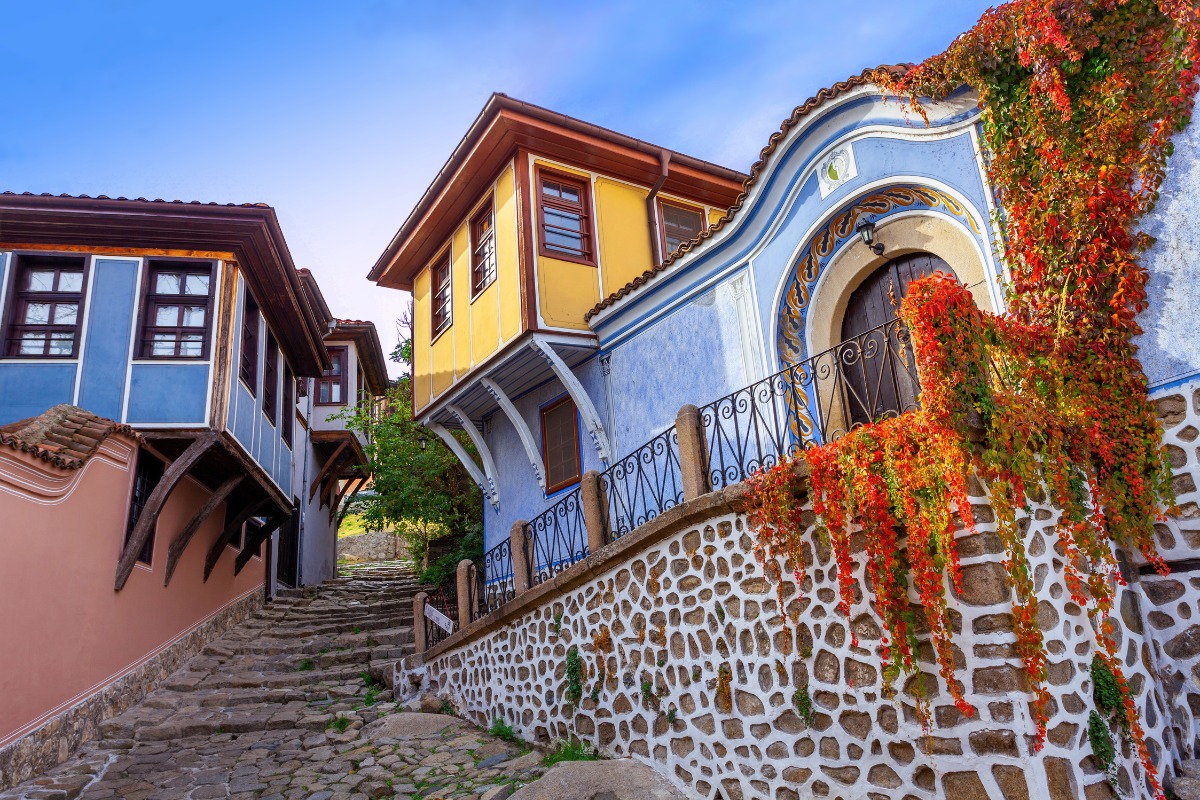 One of Europe’s oldest continuously inhabited cities, Plovdiv is quietly emerging as a top-value cultural break. Its Roman amphitheatre—still used for performances today—sits alongside a charming Old Town of cobbled streets and brightly painted Revival-era houses.
The city’s Kapana district has become a creative hub, filled with independent galleries, craft bars and street art, giving Plovdiv a youthful energy that contrasts beautifully with its ancient foundations. For travellers seeking depth, culture and affordability in equal measure, it is increasingly hard to ignore.
Hungary: Budapest
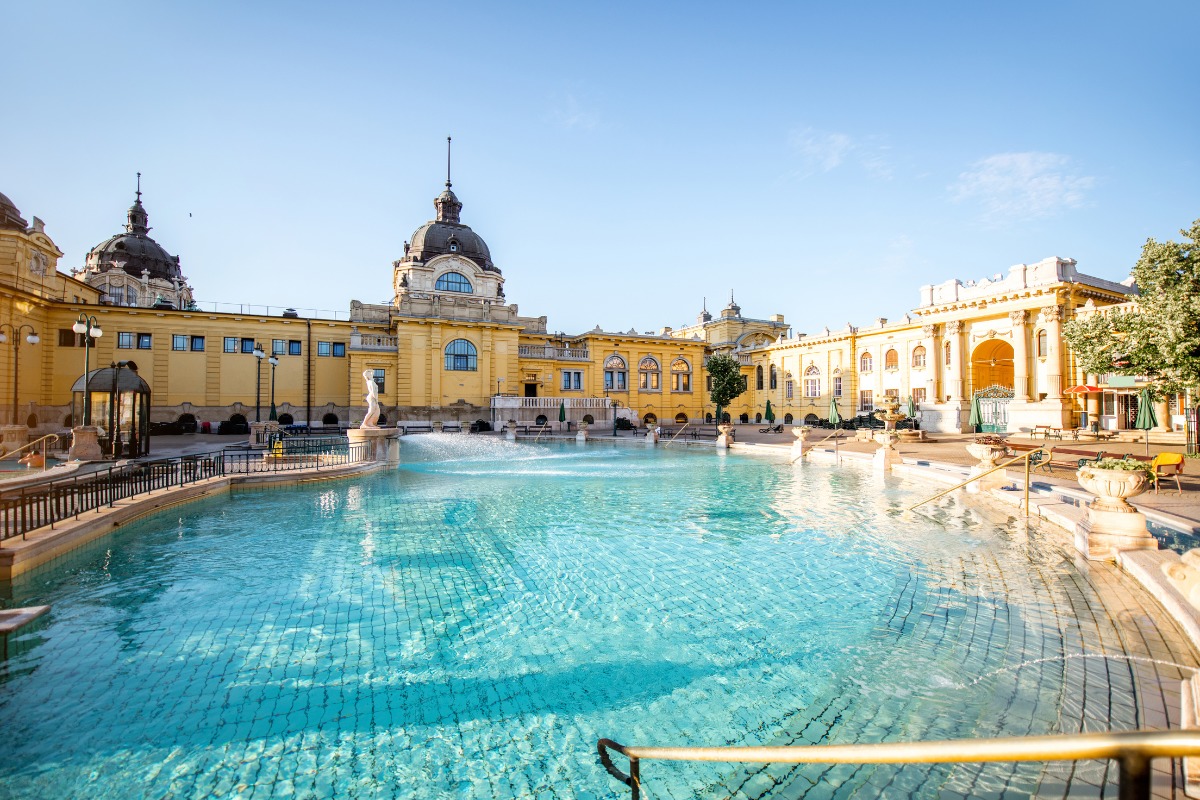 Budapest remains one of Europe’s most compelling city breaks, but its popularity continues to grow thanks to its unique blend of grandeur and affordability. The Danube divides the city into hilly Buda and lively Pest, each offering a distinct rhythm.
From the ornate thermal baths to the atmospheric ruin bars of the Jewish Quarter, the city balances history with a vibrant contemporary culture. Its café scene, architecture and nightlife all contribute to a destination that feels both accessible and richly layered.
Sweden: Gothenburg
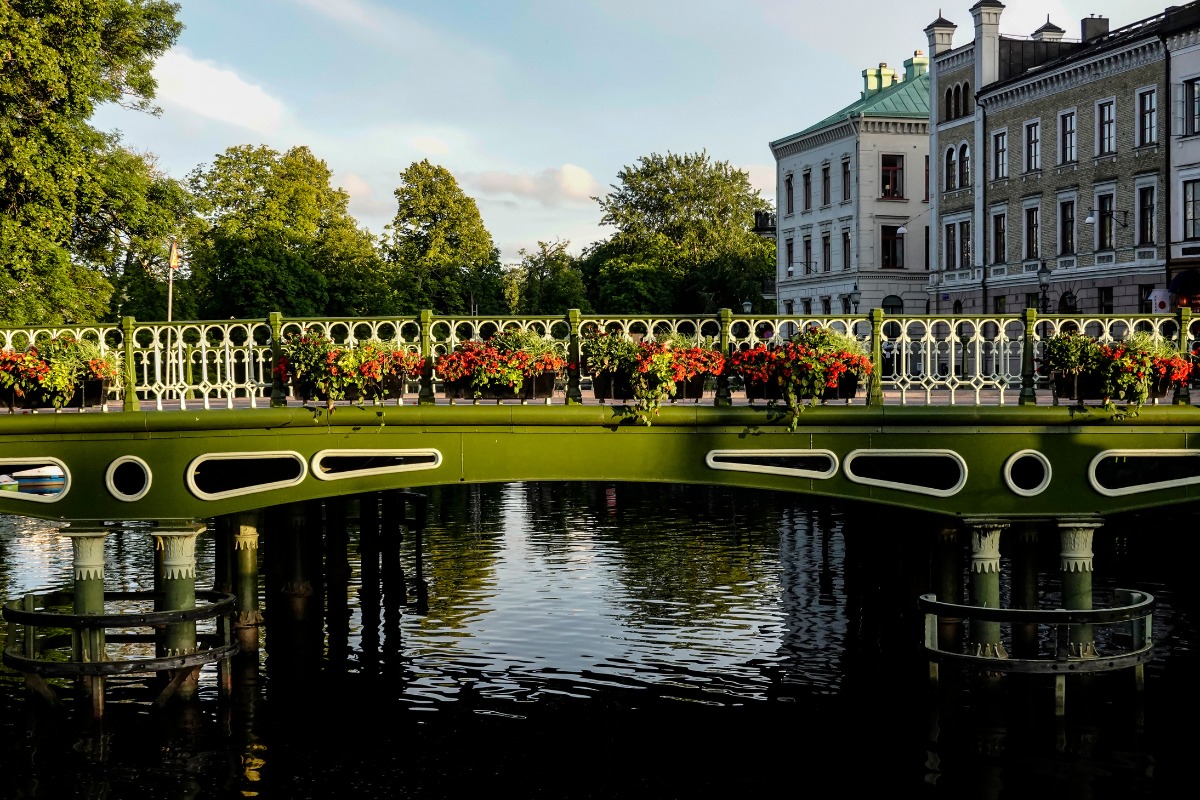 While Stockholm often dominates the Swedish travel narrative, Gothenburg is increasingly the choice for those seeking a more relaxed, design-forward city break. Set on the west coast, it combines maritime heritage with a growing reputation for sustainability, innovation and food culture.
The city’s restaurant scene is particularly strong, with a focus on seafood and New Nordic cooking that feels both refined and grounded in local produce. Add in leafy canals, industrial-chic neighbourhoods and easy access to the archipelago, and Gothenburg offers a distinctly understated Scandinavian experience.
Across Europe, the travel trend is clear: travellers are seeking authenticity, value, and a sense of place beyond the well-worn capitals. Whether it’s Slovenia’s alpine calm, Puglia’s rural elegance, or Ksamil’s unspoilt coastline, these destinations reflect a broader shift towards slower, more meaningful travel experiences—without sacrificing style or substance.
