Historic Boutique Hotels Reimagined: Luxury Stays in Castles, Convents and Alpine Cable Car Stations
Discover
Across Europe and beyond, historic buildings – from cable car stations and workshops to medieval towers and convents – have been thoughtfully restored and reimagined as boutique hotels.
In the world of luxury travel, the most memorable stays are rarely those built from scratch. Increasingly, travellers are seeking places with provenance – buildings that have lived many lives before becoming refined retreats. From abandoned infrastructure in the Swiss Alps to Renaissance residences in Italy, these historic boutique hotels blend architectural heritage with contemporary design.
More than simply places to sleep, these story-driven luxury stays invite guests to step into centuries of history. Each stone wall, vaulted cellar and timber beam tells a story of transformation – proof that the most compelling hotels are often those shaped by time.
A Cable Car Station Reborn in the Alps
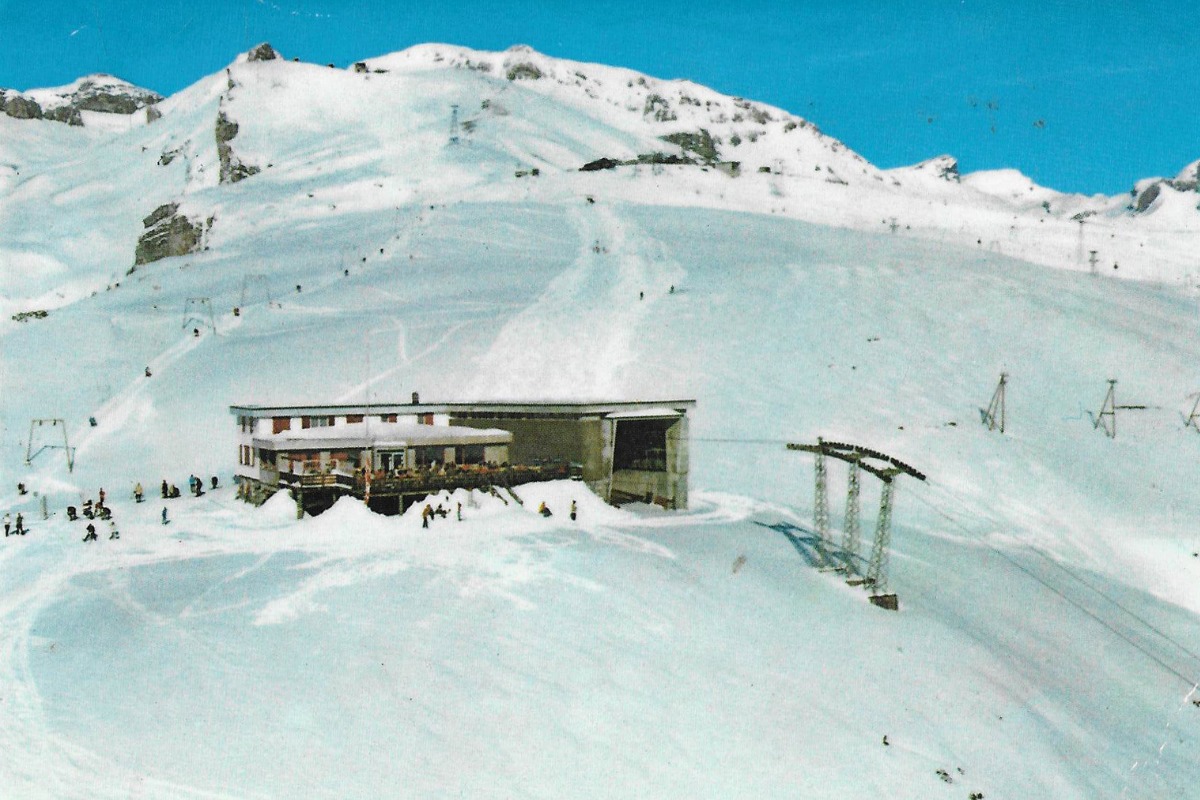
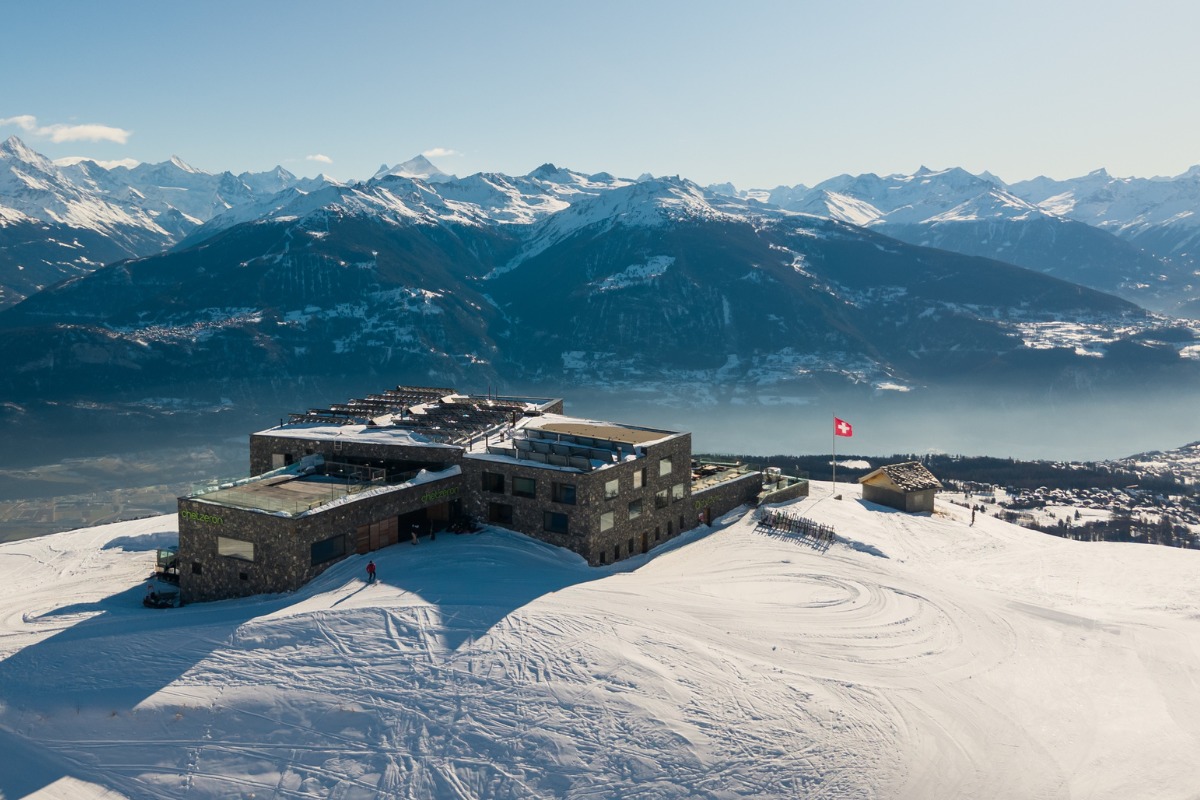 High above the Rhône Valley, Chetzeron is one of the Alps’ most striking examples of adaptive reuse. The imposing concrete structure was originally built in the 1960s as a gondola lift station serving the Crans-Montana ski area, before falling into disuse in the early 2000s.
Recognising the potential of its extraordinary setting, local hotelier Sami Lamaa reimagined the abandoned building as a contemporary alpine retreat. The station first reopened as a restaurant in 2009 before evolving into a full hotel in 2014.
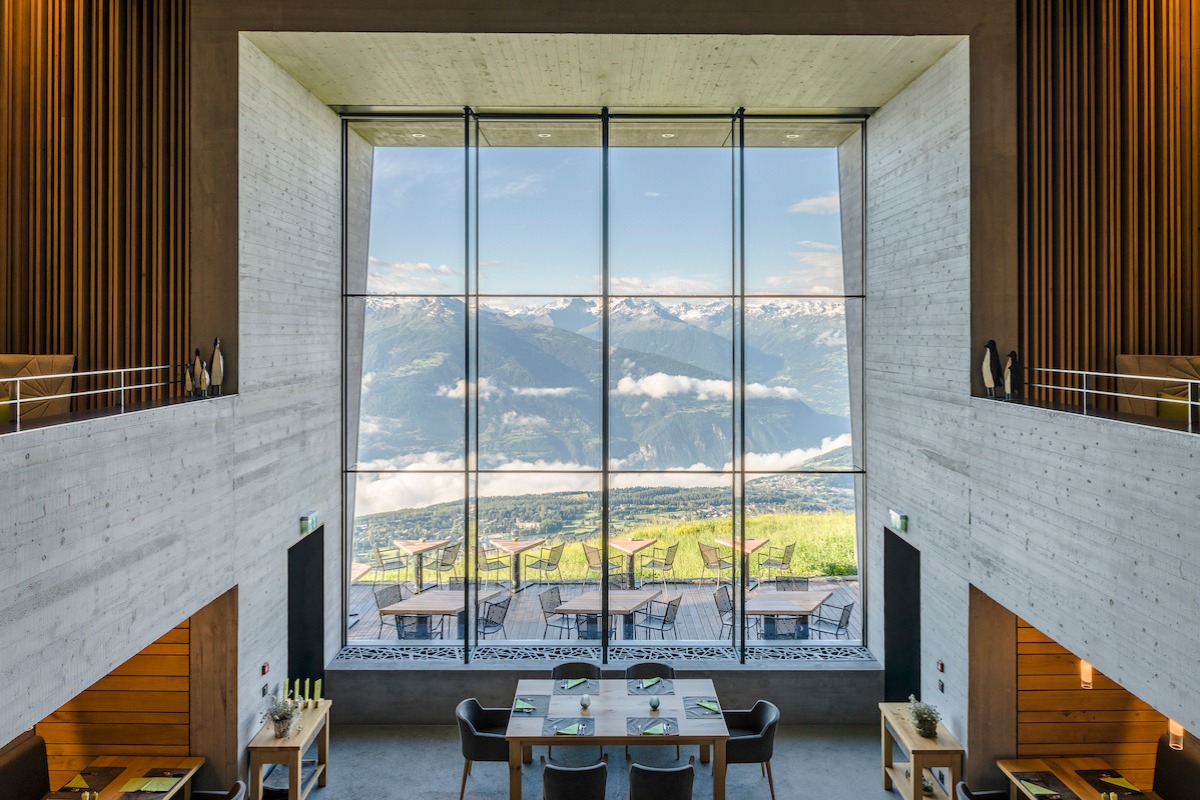
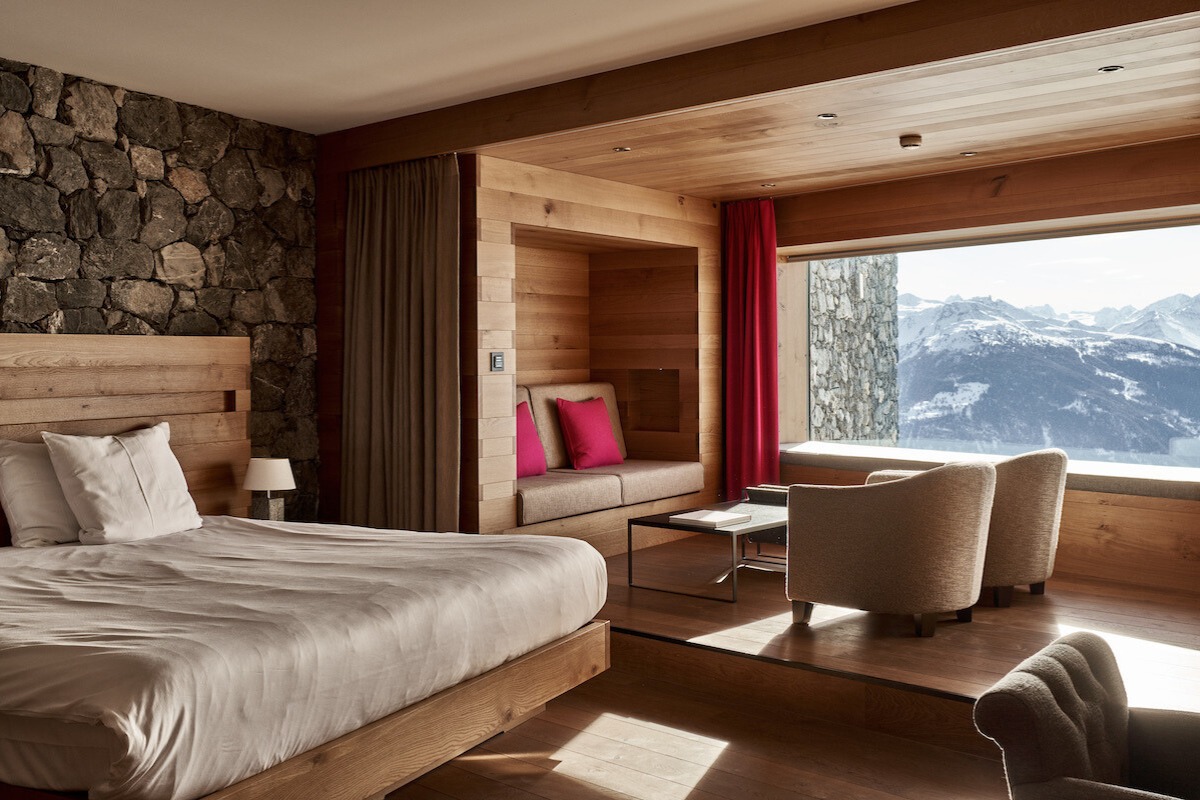
Today, Chetzeron remains a landmark on the mountain — a minimalist sanctuary 2,112 metres above sea level, surrounded by panoramic views of the Swiss Alps. In winter, guests step directly onto the slopes, while summer reveals alpine meadows stretching endlessly in every direction. Its secluded location offers a rare sense of calm, where architecture, landscape and silence combine to create a truly unforgettable mountain escape.
A Thousand Years of English Heritage
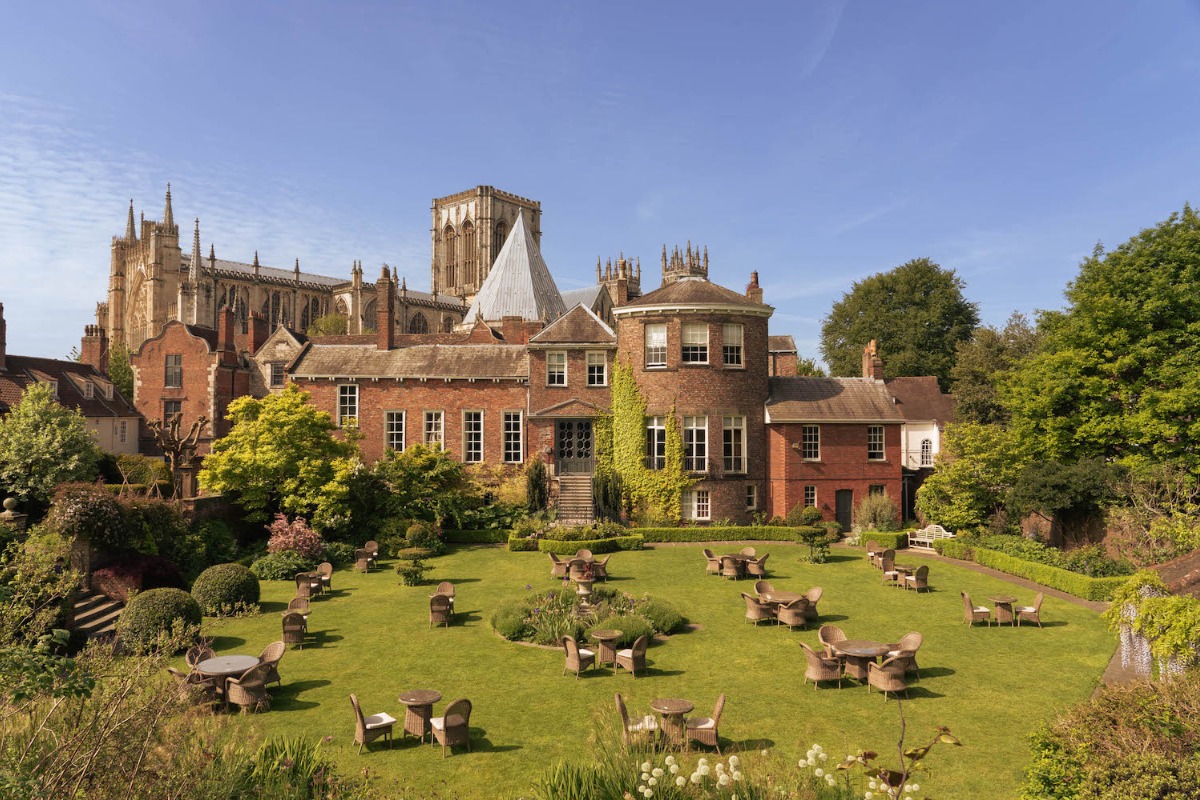 Tucked beside the soaring spires of York Minster, Grays Court Hotel feels less like a hotel and more like a living chapter of English history. Believed to be one of the oldest continuously inhabited houses in Britain, its origins trace back to the late 11th century, when the first Norman Archbishop of York commissioned a residence for the Treasurer of the Minster.
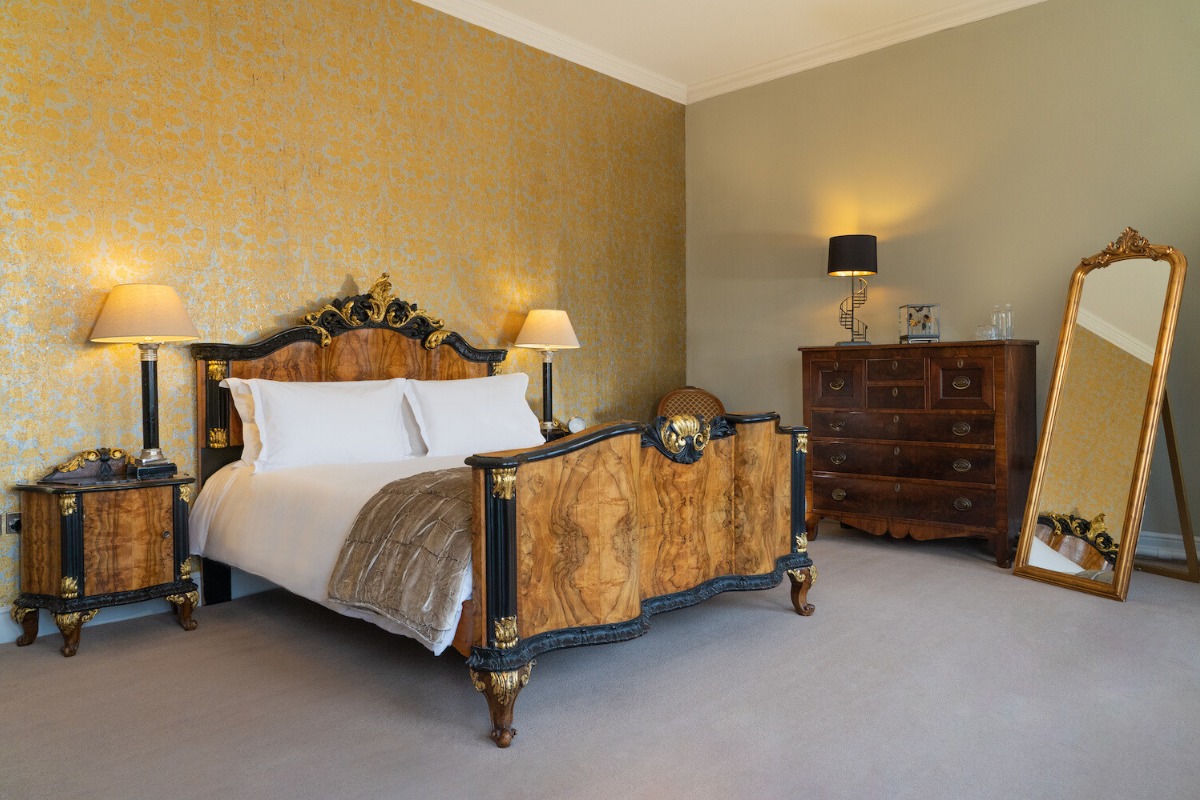
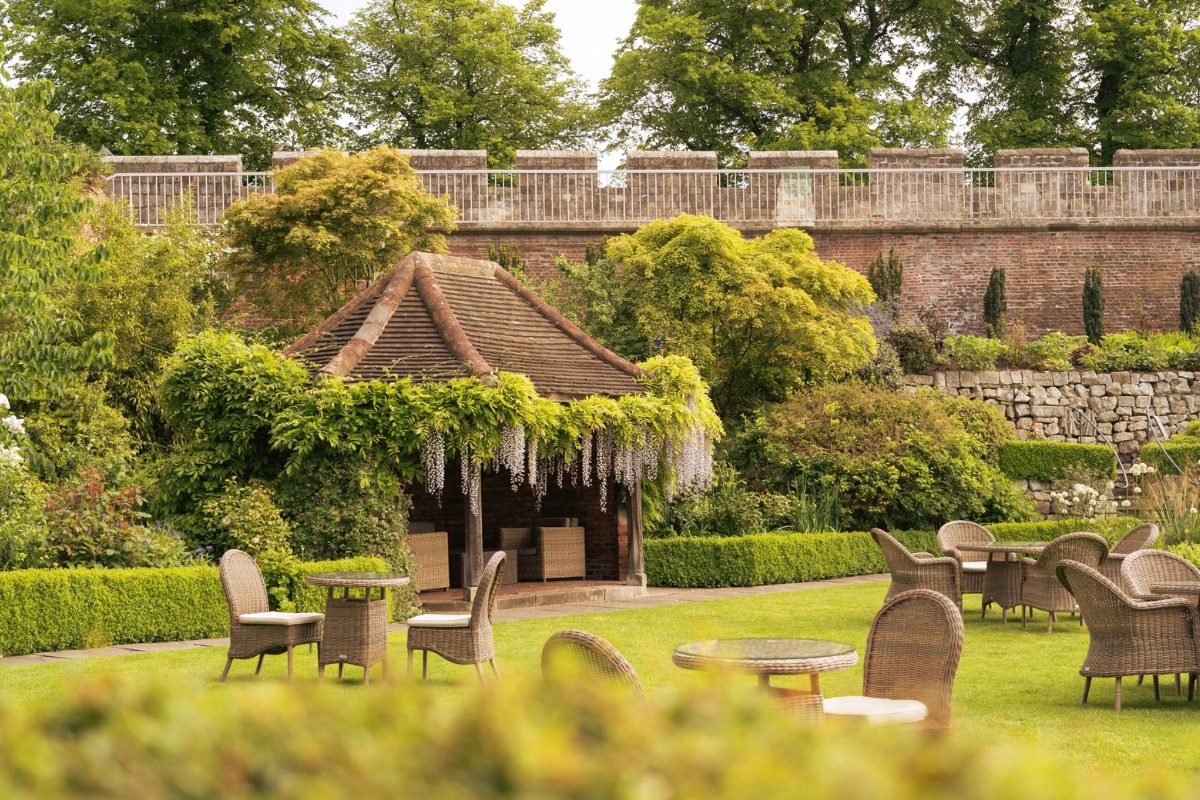
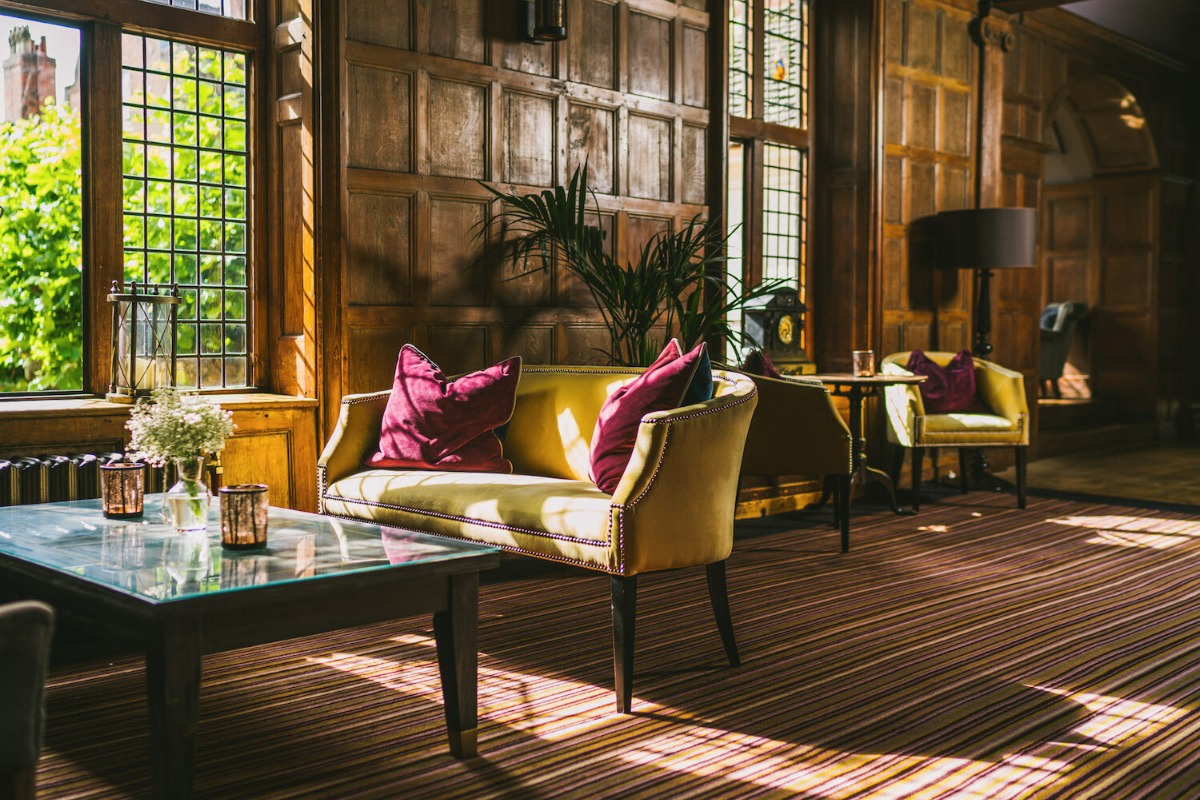
Over the centuries, dukes, generals and influential figures passed through its doors, leaving their mark on the house’s quietly elegant interiors. Medieval stonework, Jacobean paneling and hidden gardens evoke the atmosphere of another age, yet the spirit of the place remains warmly welcoming. Today, this remarkable historic residence offers guests the rare opportunity to sleep within York’s ancient walls, where centuries of stories linger in every corridor and the cathedral bells echo softly across the garden.
Colonial Heritage Beneath the Teak Beams
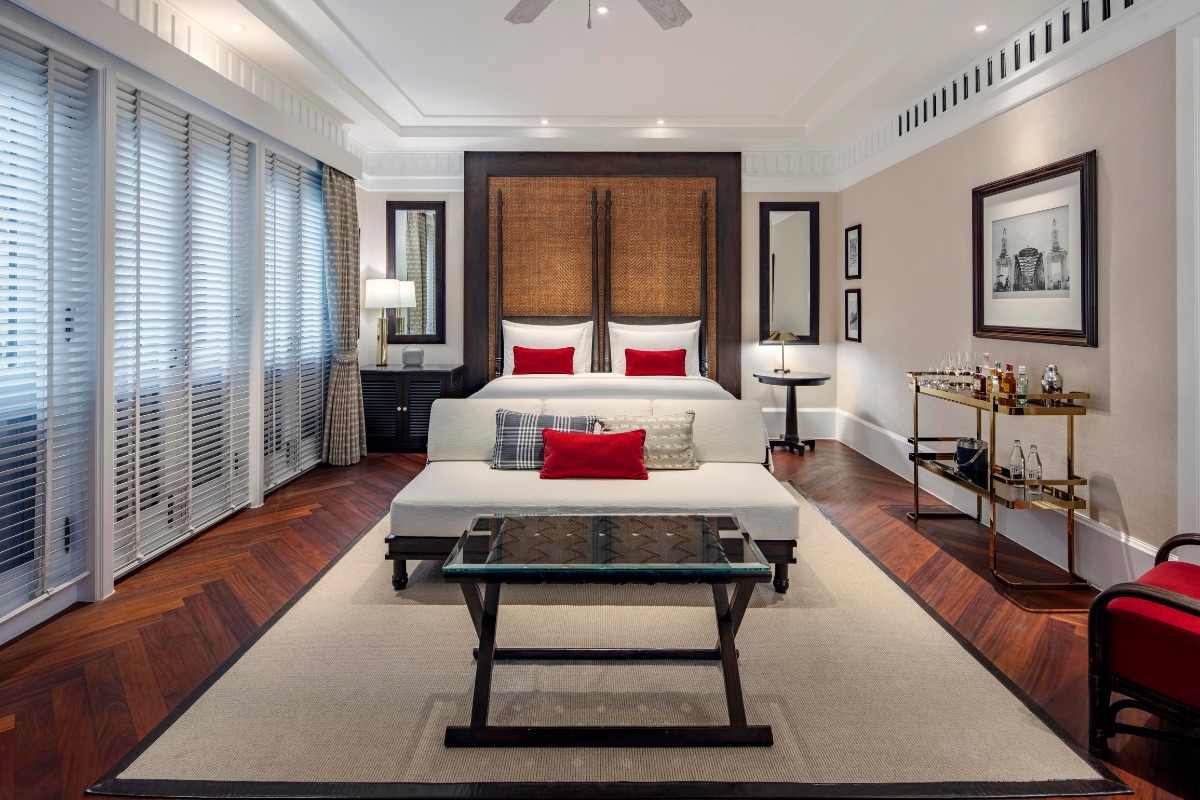
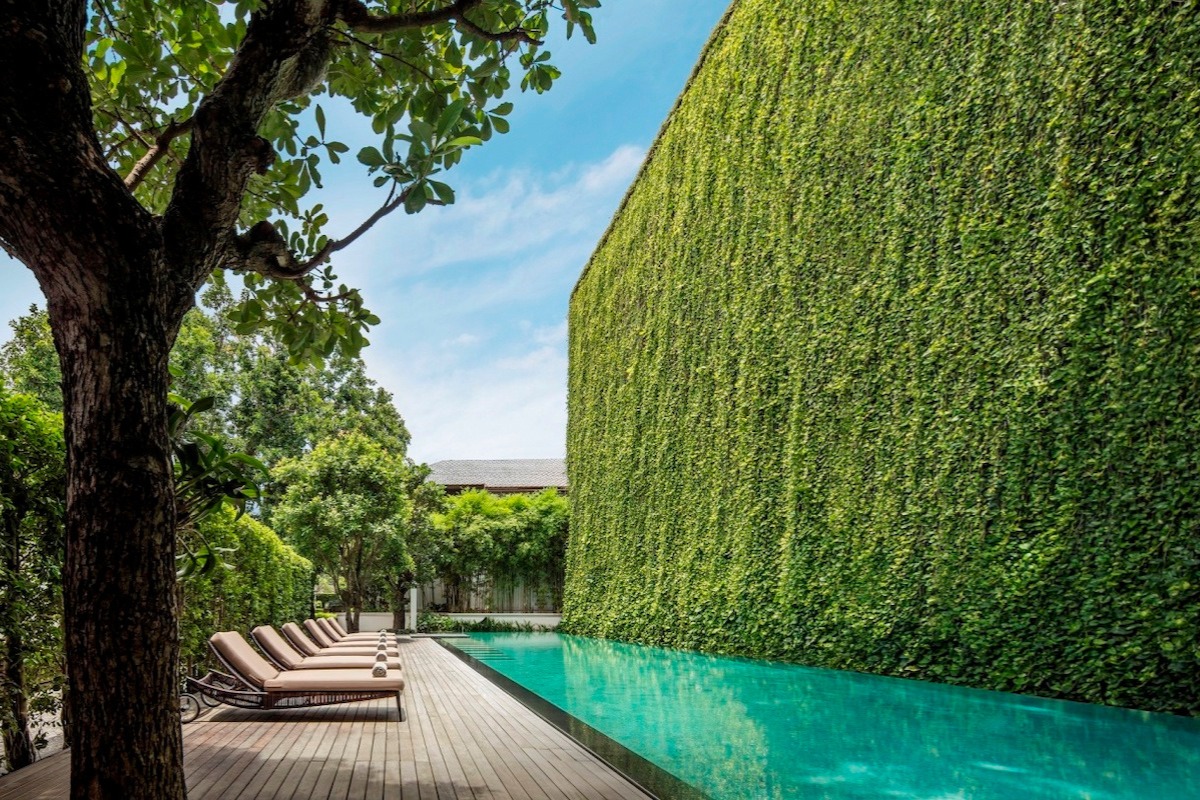
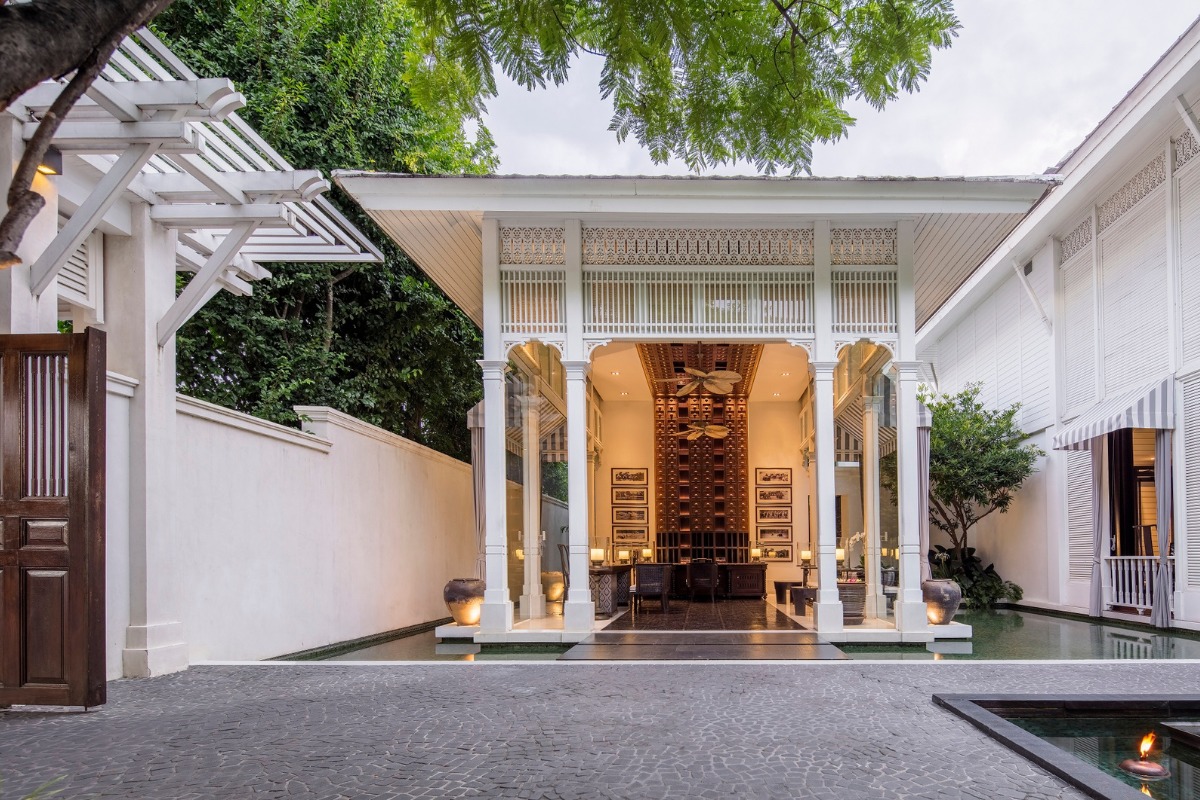
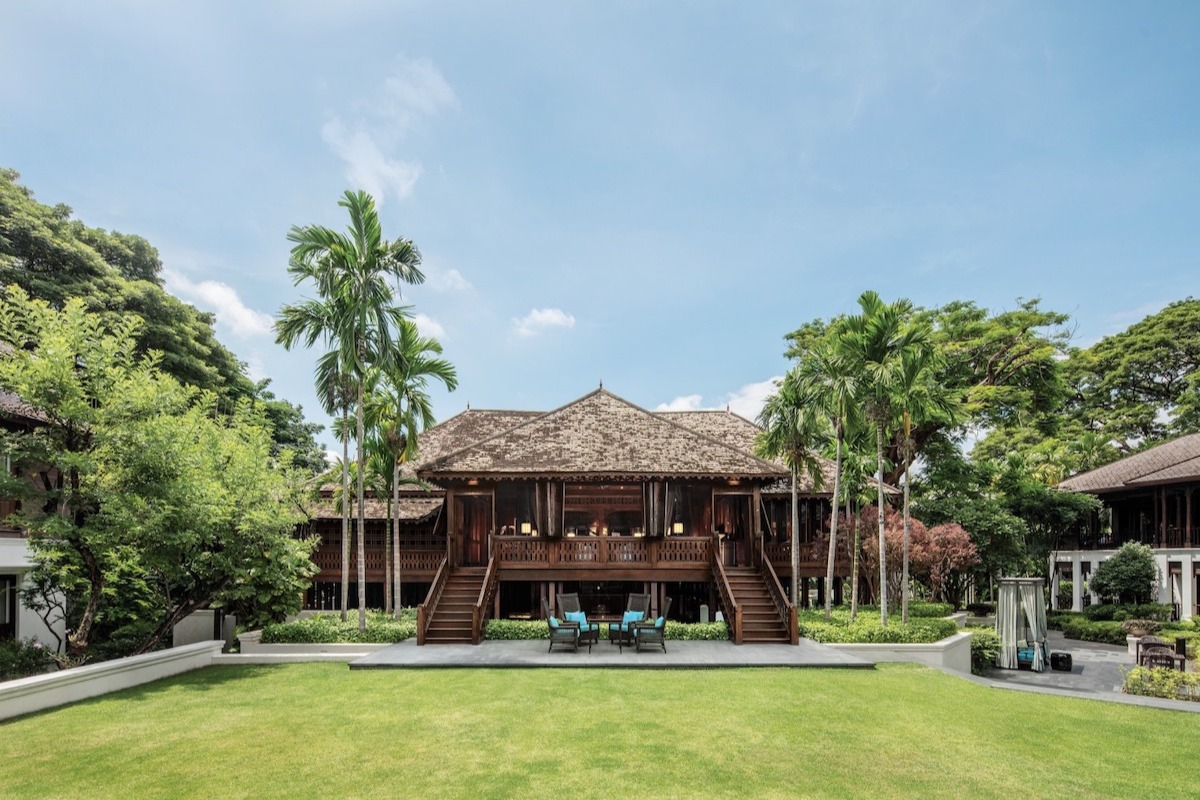 At the heart of northern Thailand, 137 Pillars House Chiang Mai stands as one of the region’s most elegant heritage hotels. The property is located within leafy tropical gardens along the Ping River, centred on a lovingly restored teak homestead from the late 19th century, once the headquarters of the East Borneo Trading Company.
Raised on 137 pillars — a symbol of status and craftsmanship in northern Thai tradition — the homestead reflects both the artistry of its era and the influence of the colonial teak trade. Over time, the house became a cherished local landmark, its graceful wooden verandas, shaded courtyards and lush gardens preserving the quiet elegance of a bygone era.
Today the historic homestead forms the heart of a serene boutique retreat, where colonial heritage and Thai design blend seamlessly among shaded verandas, lush gardens and quiet courtyards — a living reminder of Chiang Mai’s storied past.
Medieval Florence from a Tower Residence
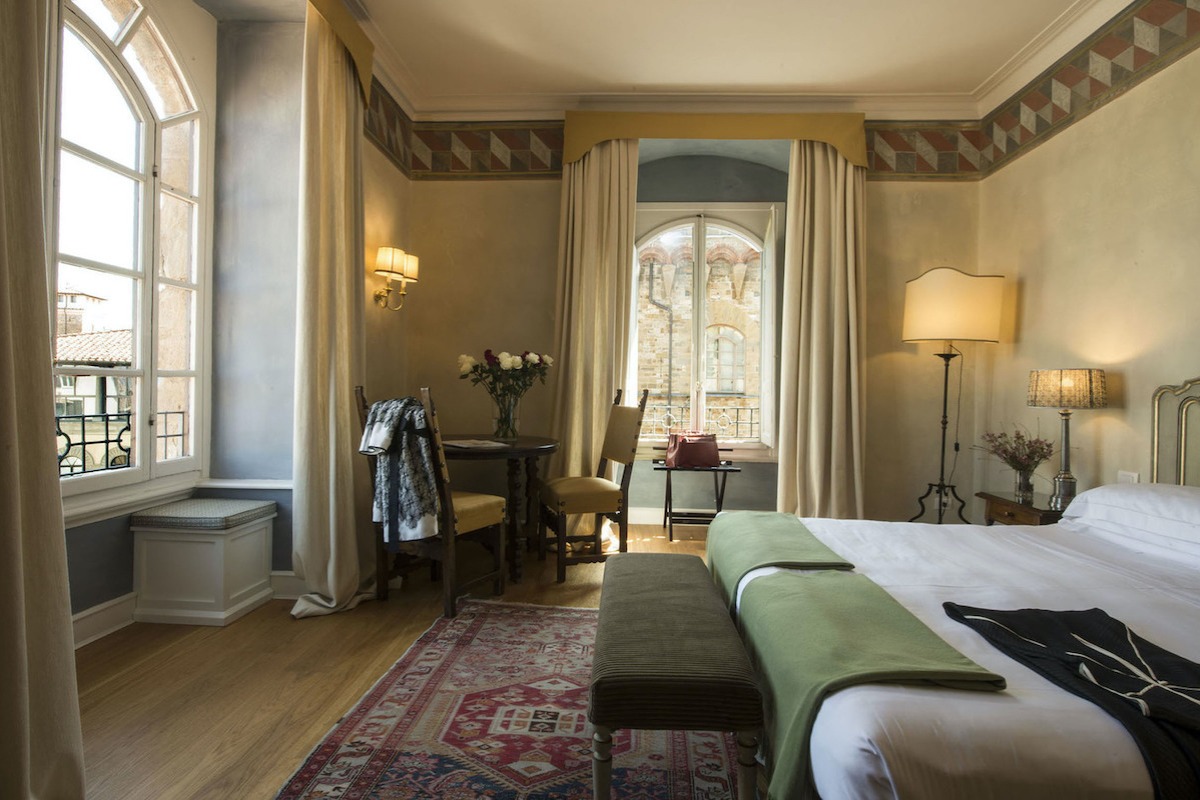
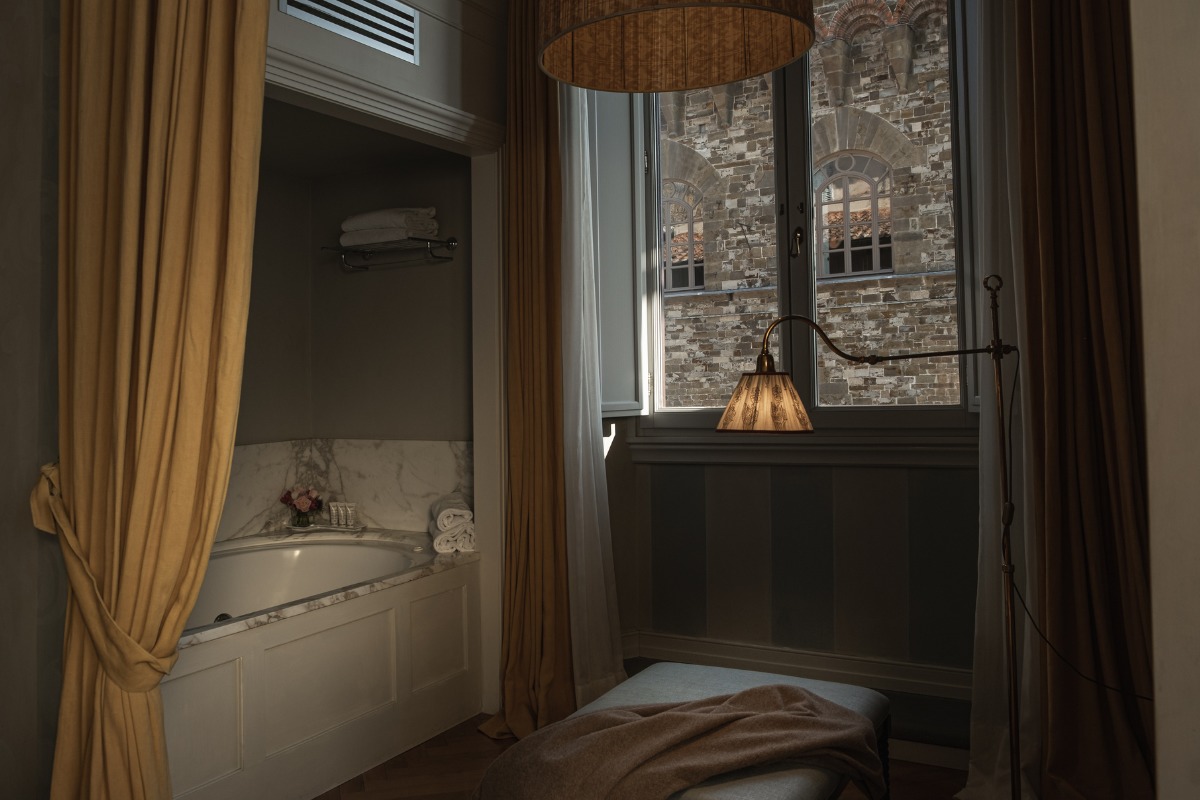
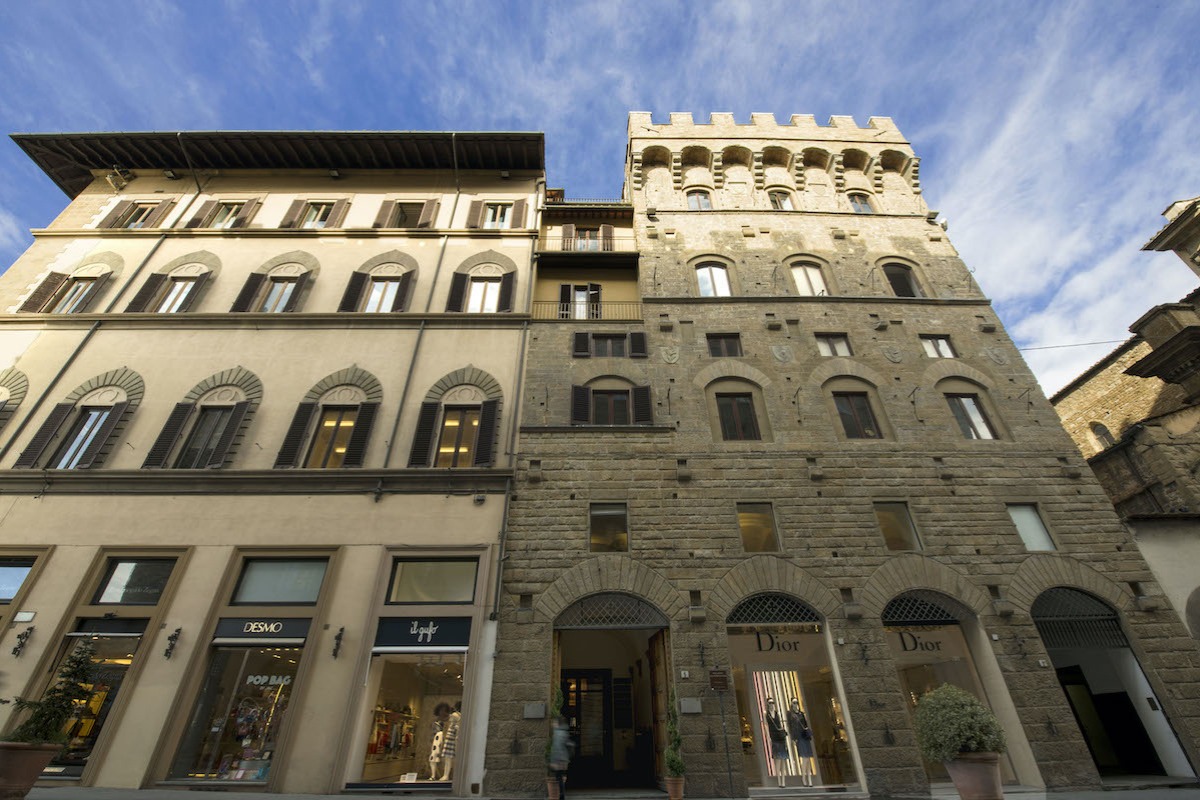 Rising above one of Florence’s most elegant streets, Antica Torre di Via Tornabuoni 1 offers a rare chance to inhabit the city’s medieval past. The tower house was built in the mid-13th century by the Guelf Ruggerini family before becoming the residence of the powerful Gianfigliazzi dynasty — Florentine bankers and merchants whose influence shaped the city for centuries.
From the early 1300s until the late eighteenth century, generations of the Gianfigliazzi family lived here, producing civic leaders including Priors and ambassadors. Their prominence was such that the family is even mentioned in Divine Comedy by Dante Alighieri.
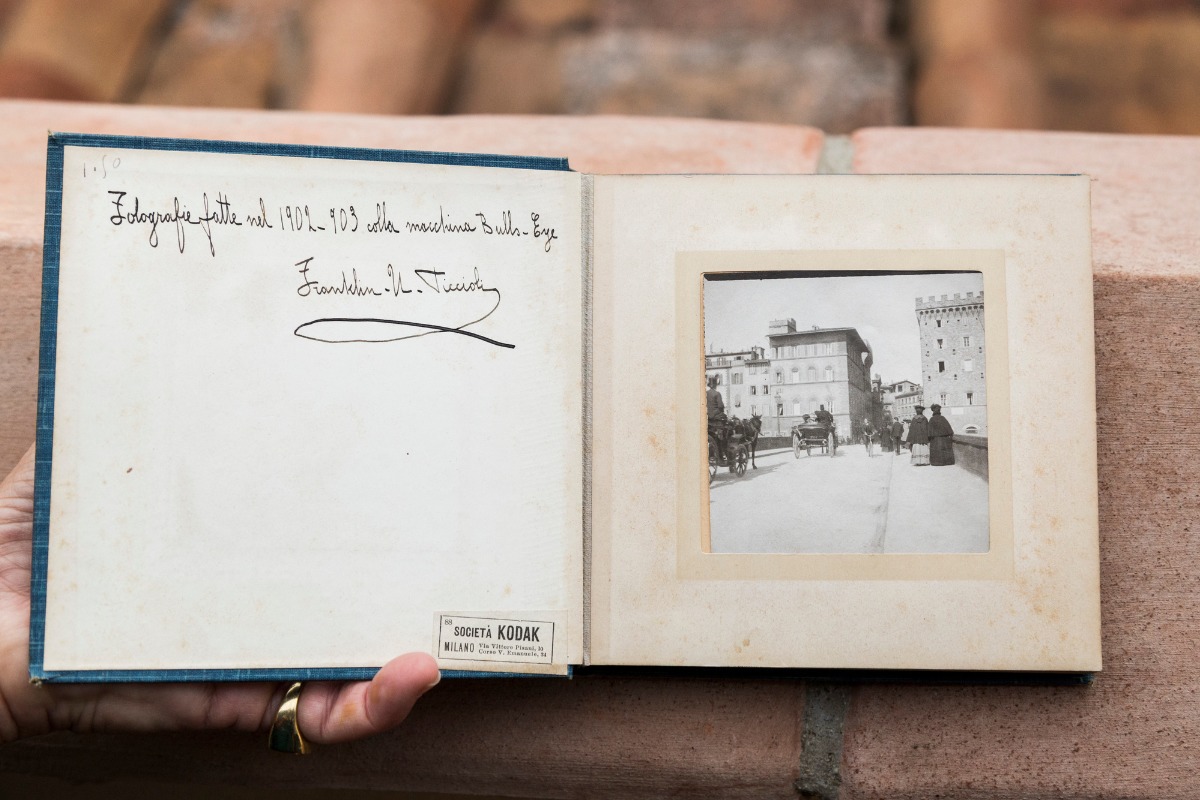
In the early twentieth century the building became the Pensione Piccioli, hosting aristocrats, writers and artists. Carefully restored and reopened in 2001, the historic residence now welcomes guests to experience Florence from within its medieval walls, with rooftop terraces overlooking the Duomo, the Arno and the city’s terracotta skyline.
A Mansion Within Lisbon’s Castle Walls
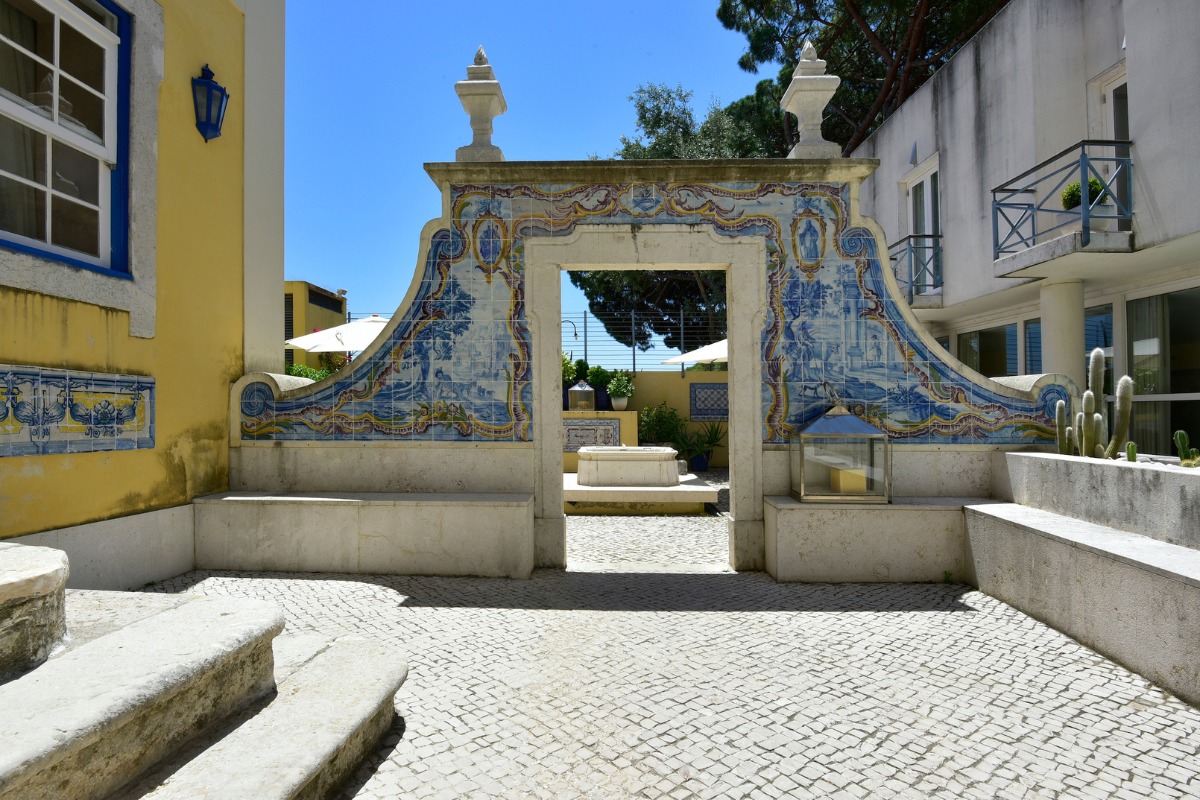
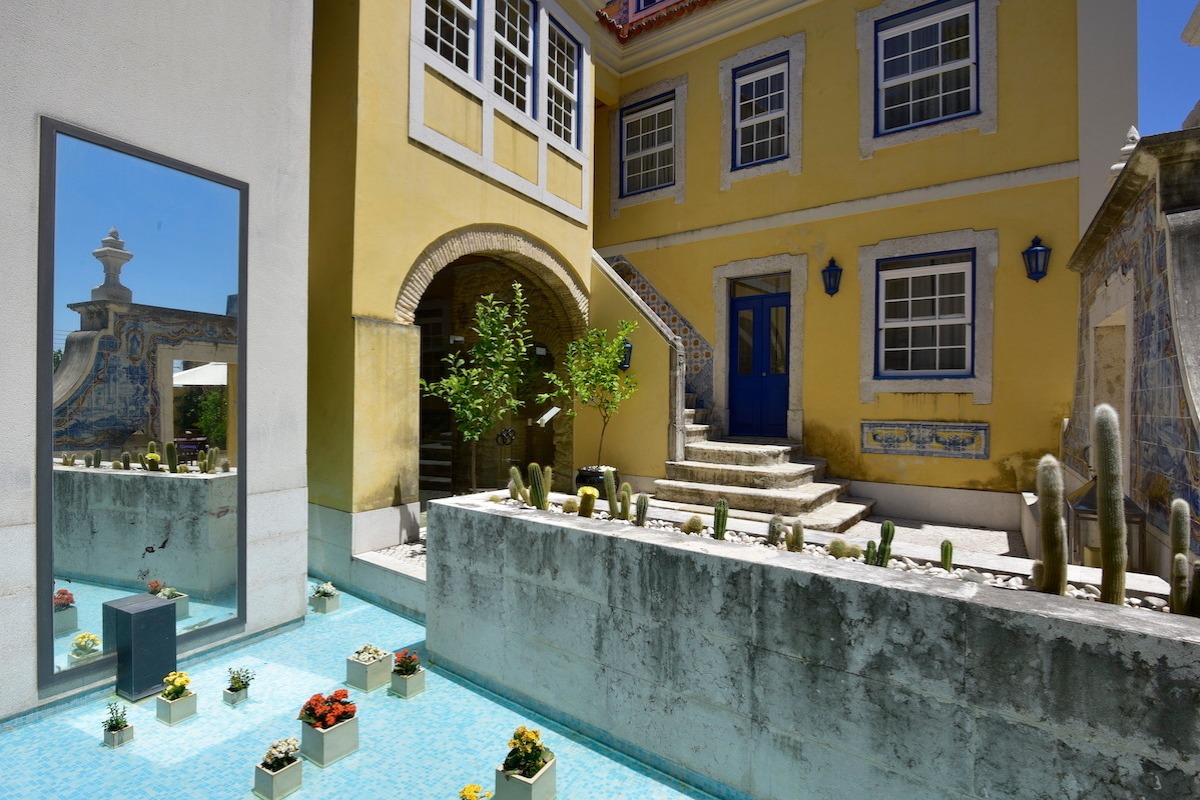 Crowning the heights of the Amalfa District lies one of the most enchanting historic hotels in Lisbon. Hidden within the fortified walls of São Jorge Castle, an 18th-century palace built on the former kitchens of the Royal Palace, Solar do Castelo preserves traces of eight centuries of history, from its noble patio to the garden and original water tank.
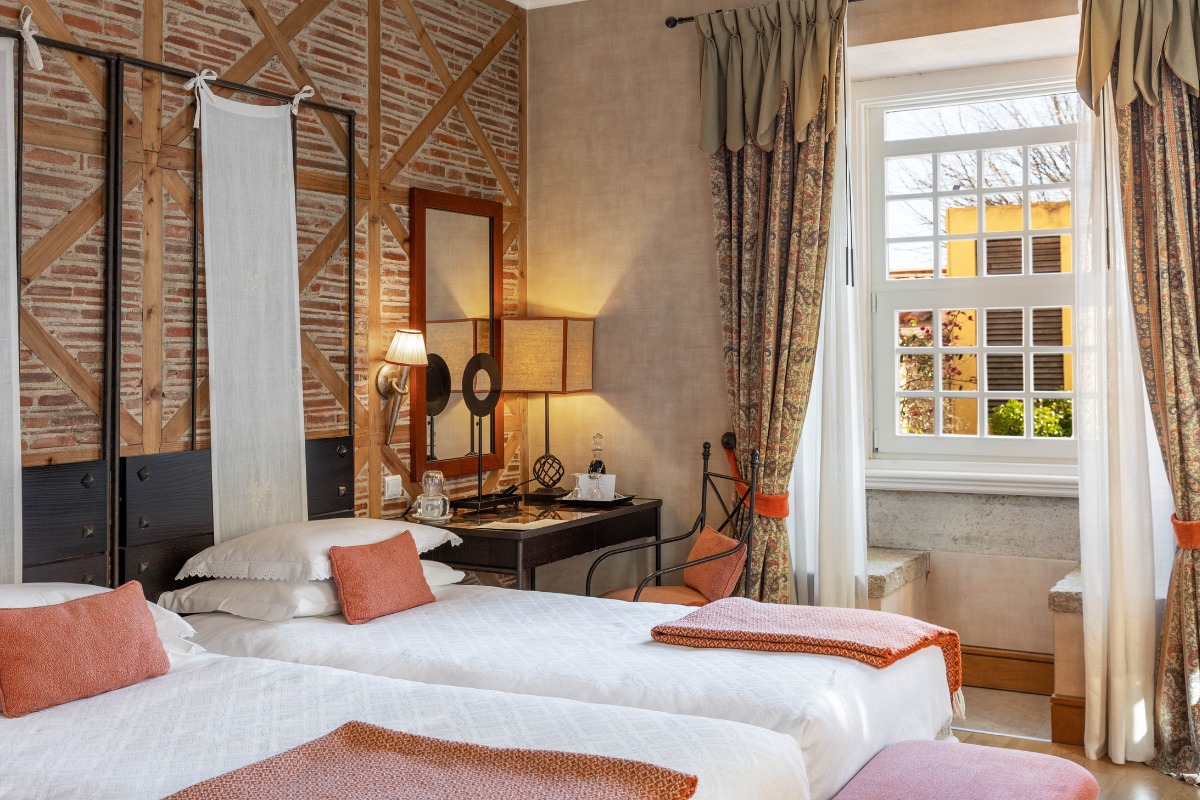
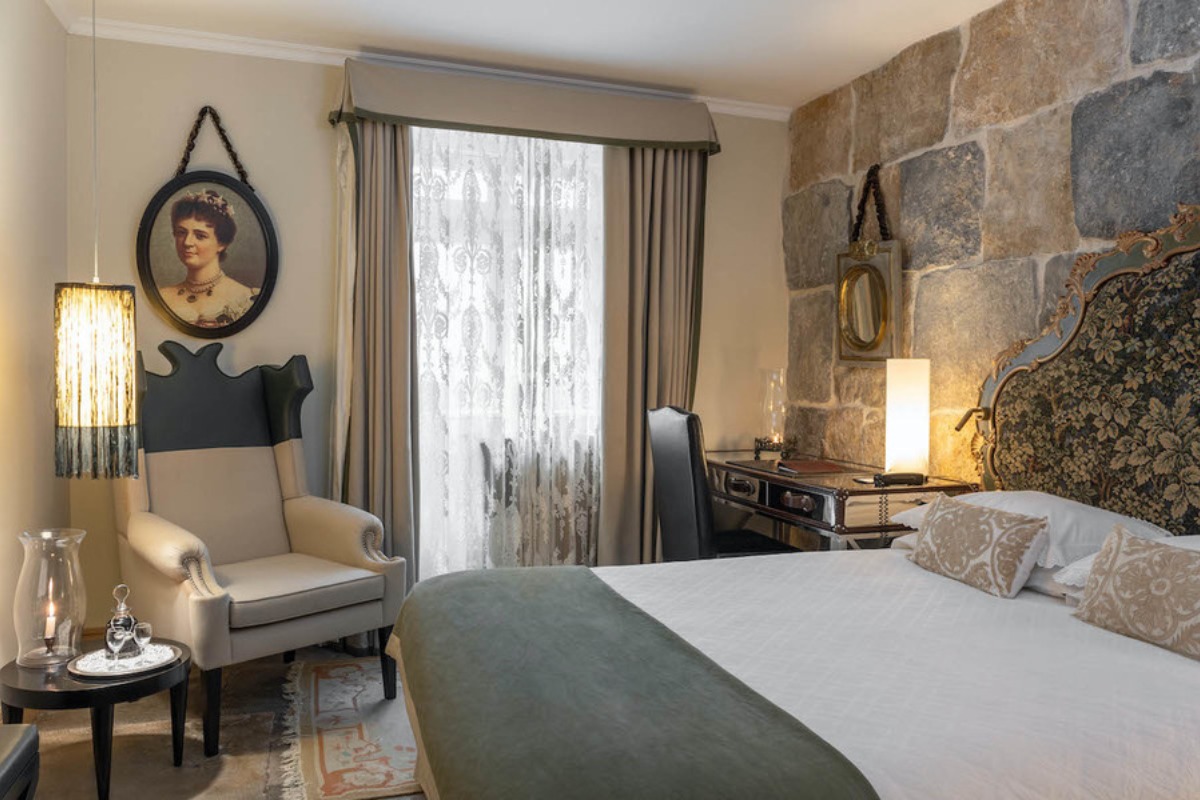
The interiors, redesigned by Atelier Graça Viterbo, celebrate the building’s medieval origins while introducing contemporary comforts, creating a subtle dialogue between past and present. Outside, the narrow streets of the Castle Village bustle with flower pots, birdcages, and local life, while the castle’s peacocks roam gracefully through the patio, adding charm — and the occasional burst of noise.
Solar do Castelo is a haven for couples and history lovers alike, where every corner tells a story and the magic of Alfama’s medieval heart is always just steps away. Few boutique hotels in Lisbon can claim such a regal setting – quite literally within the walls of a historic fortress.
A Boutique Hotel That Gives Back in Siem Reap
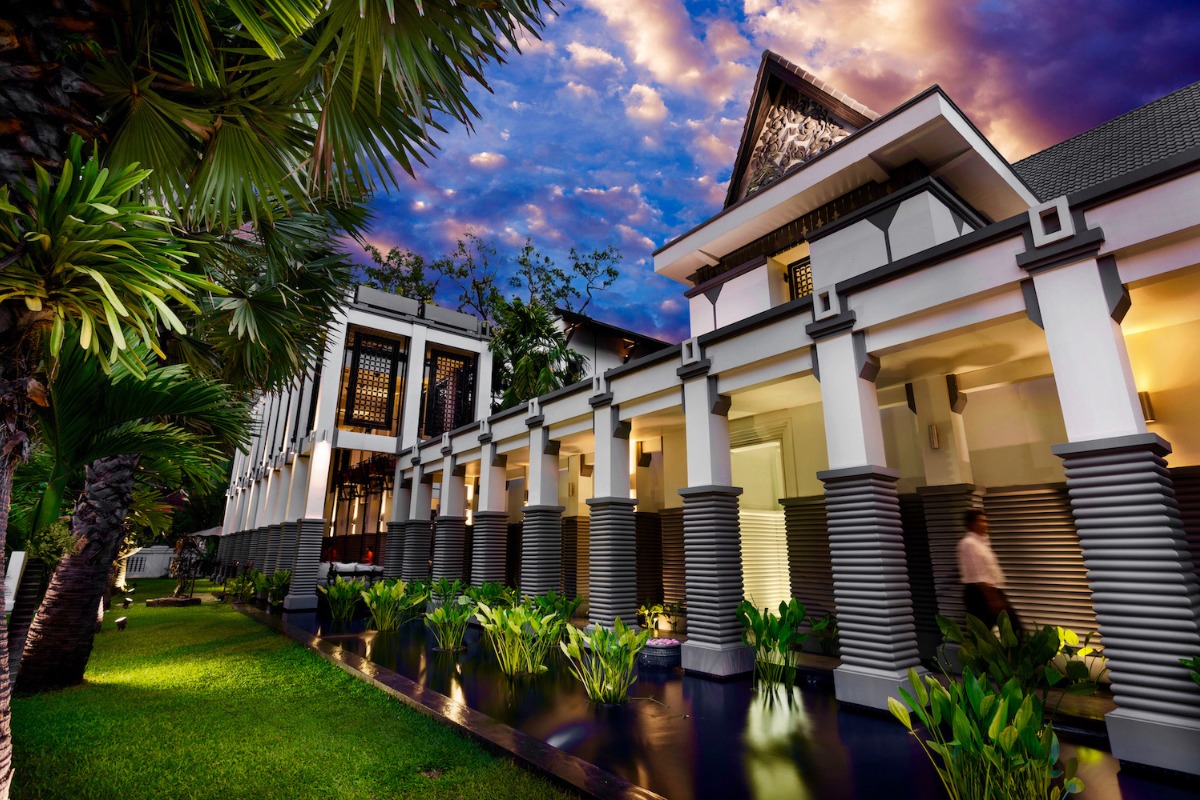 In the Cambodian city of Siem Reap, gateway to the temples of Angkor, Shinta Mani Angkor tells a different kind of transformation story – one rooted not only in architecture but in community.
Before becoming a luxury boutique hotel, the property began as a tuition-free hospitality training school for underprivileged Cambodian youth. Founded by visionary hotelier Sokoun Chanpreda and renowned architect Bill Bensley, the initiative was designed to create opportunities for young people while helping rebuild Cambodia’s tourism industry. The school remains an integral part of the wider Shinta Mani complex today, supported by the Shinta Mani Foundation. A portion of hotel revenues continues to fund education, healthcare and community development projects across the region, meaning that every stay contributes directly to local livelihoods.
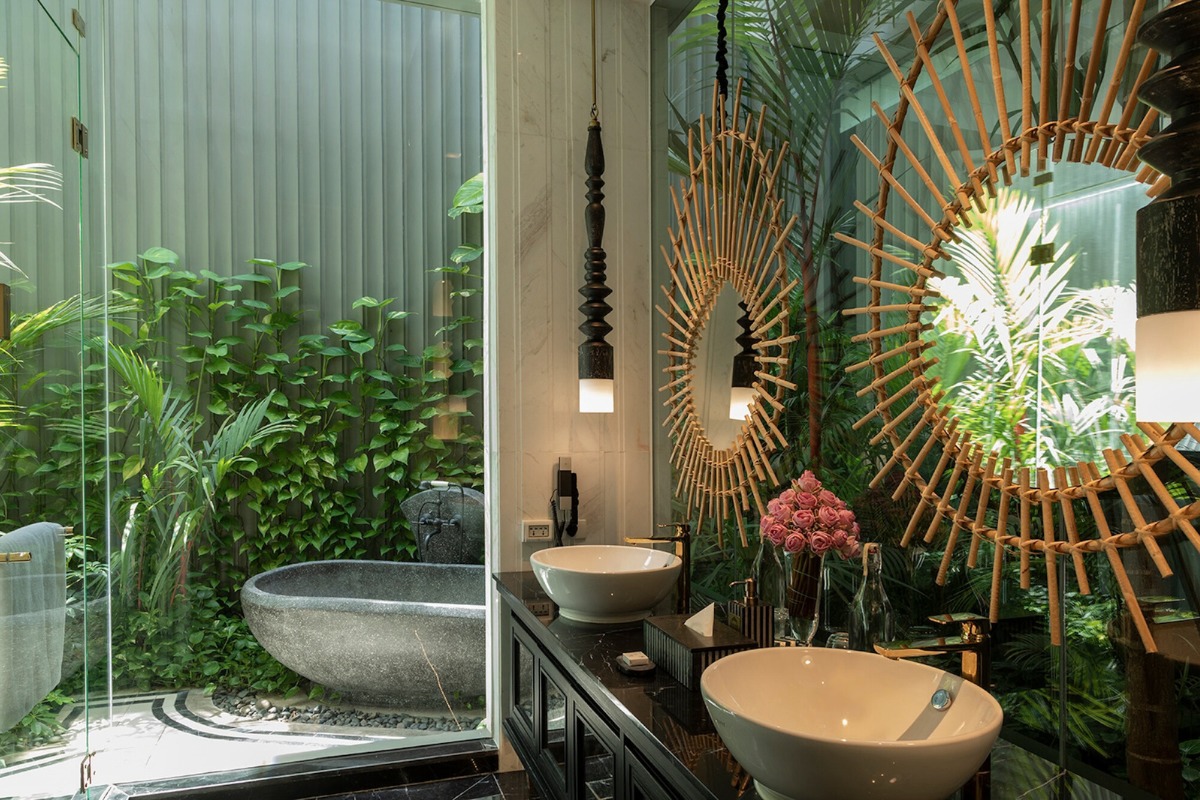
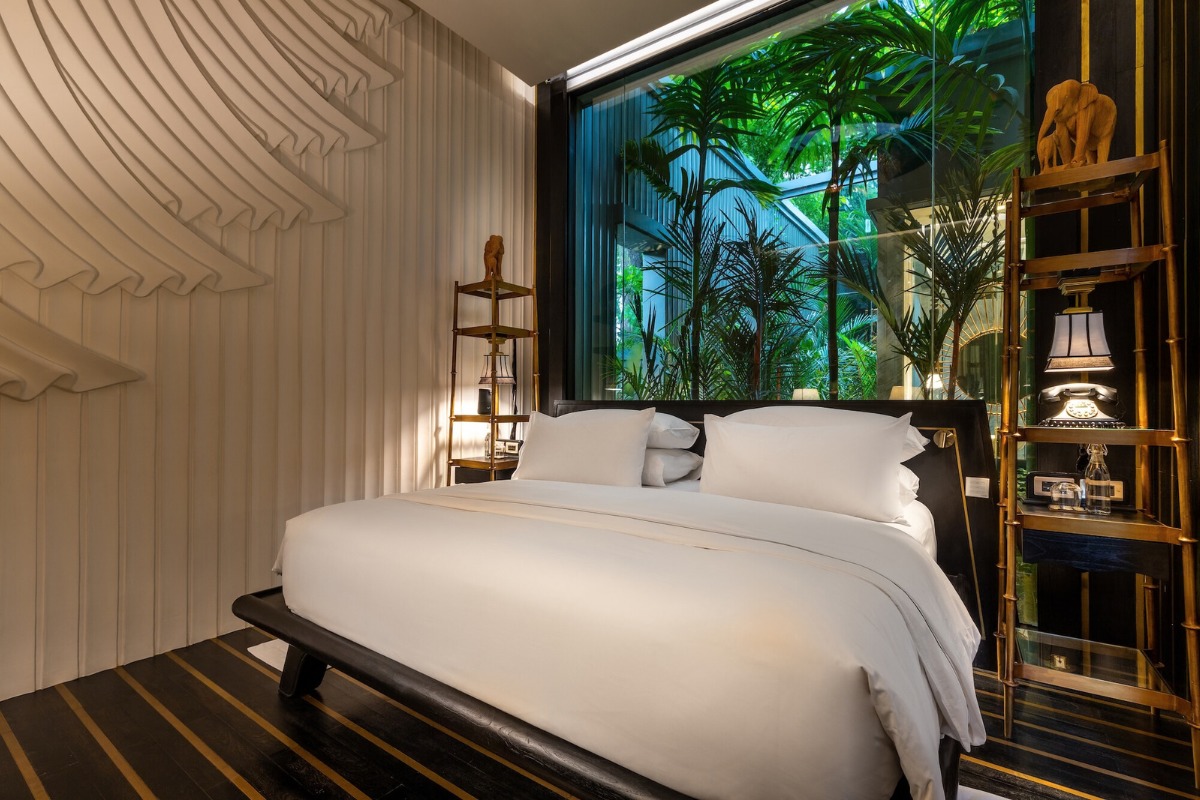
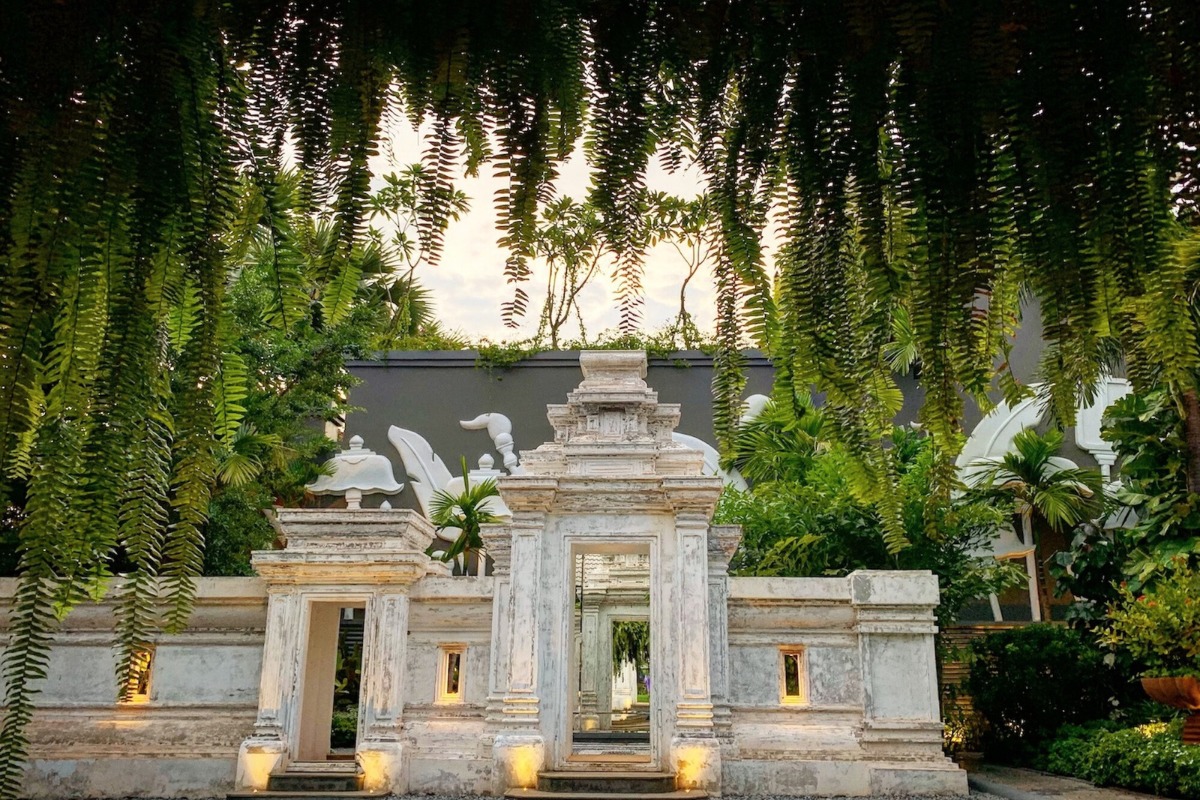
Designed by Bill Bensley with his signature theatrical flair, the hotel’s stylish rooms and suites reflect both the grandeur of nearby Angkor and the vibrant artistic spirit of Siem Reap. For guests seeking the ultimate retreat, the Bensley Pool Villas offer expansive private spaces, dedicated butler service and secluded pools. Here, luxury hospitality is intertwined with social purpose — a place where thoughtful travel leaves a lasting positive impact long after the journey ends.
A Castle with a Wartime Secret
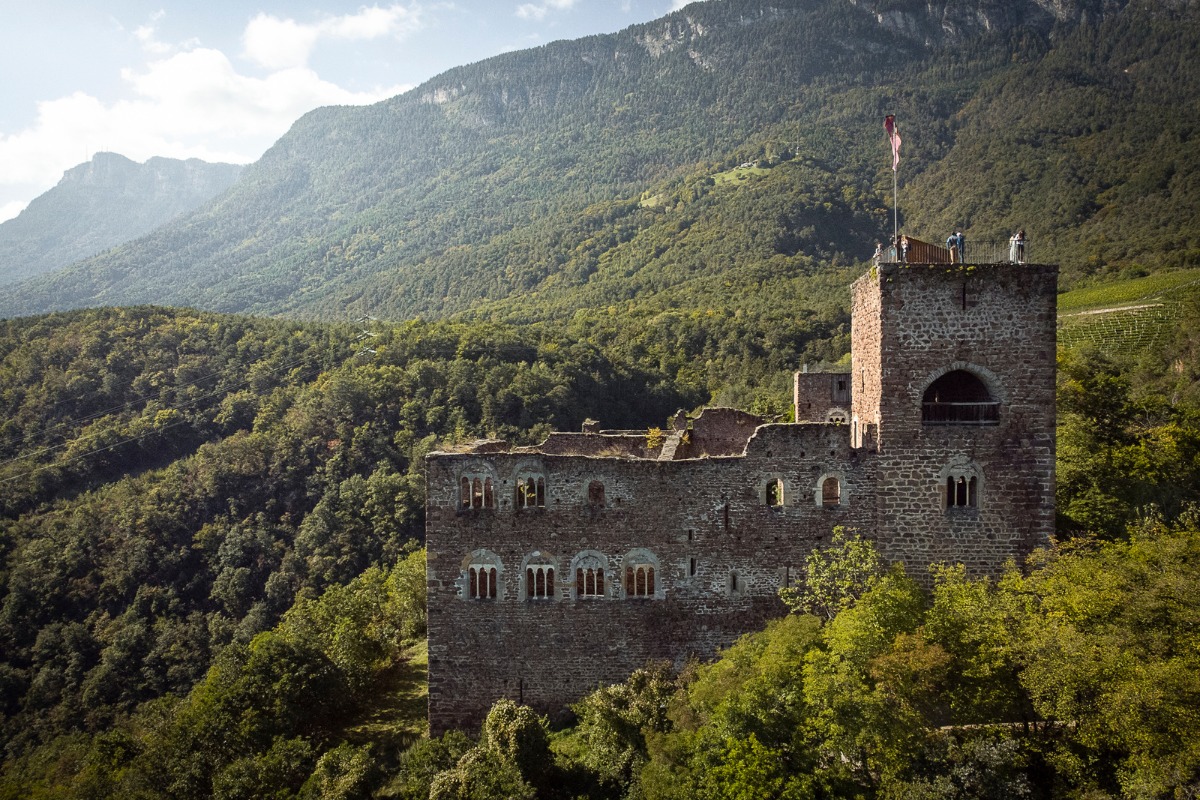
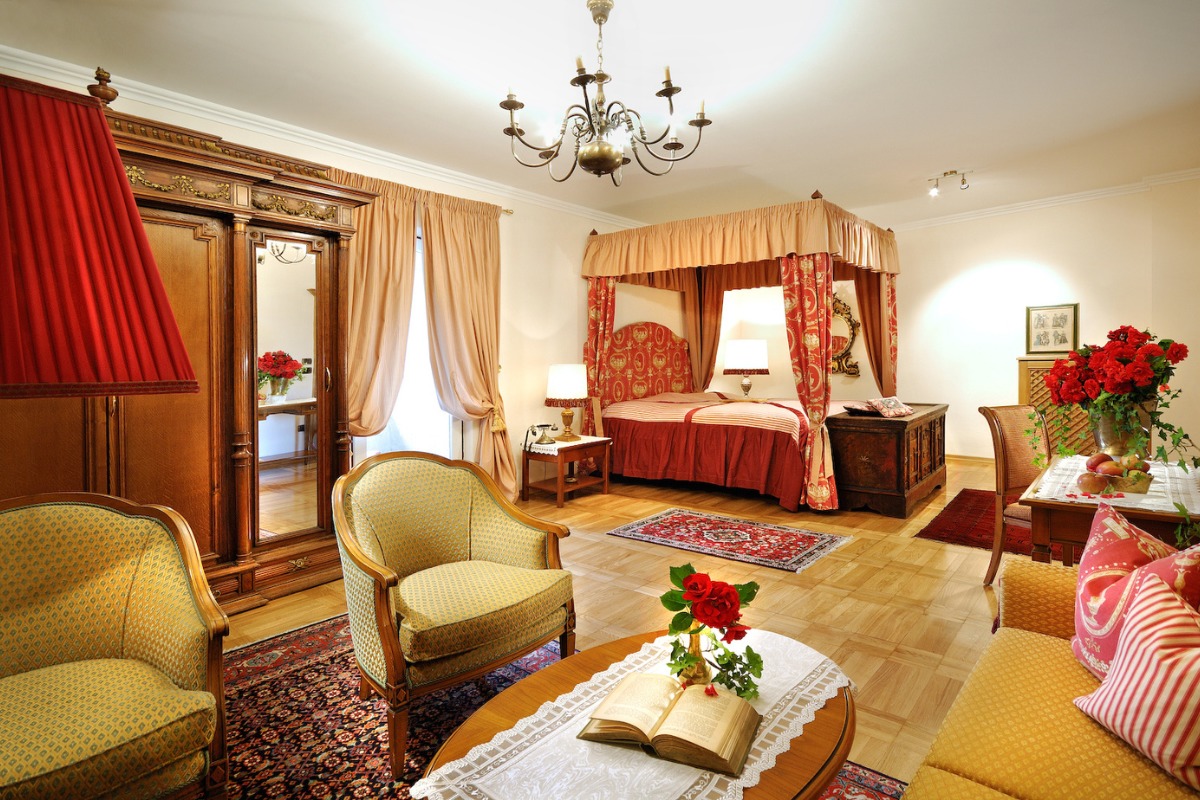
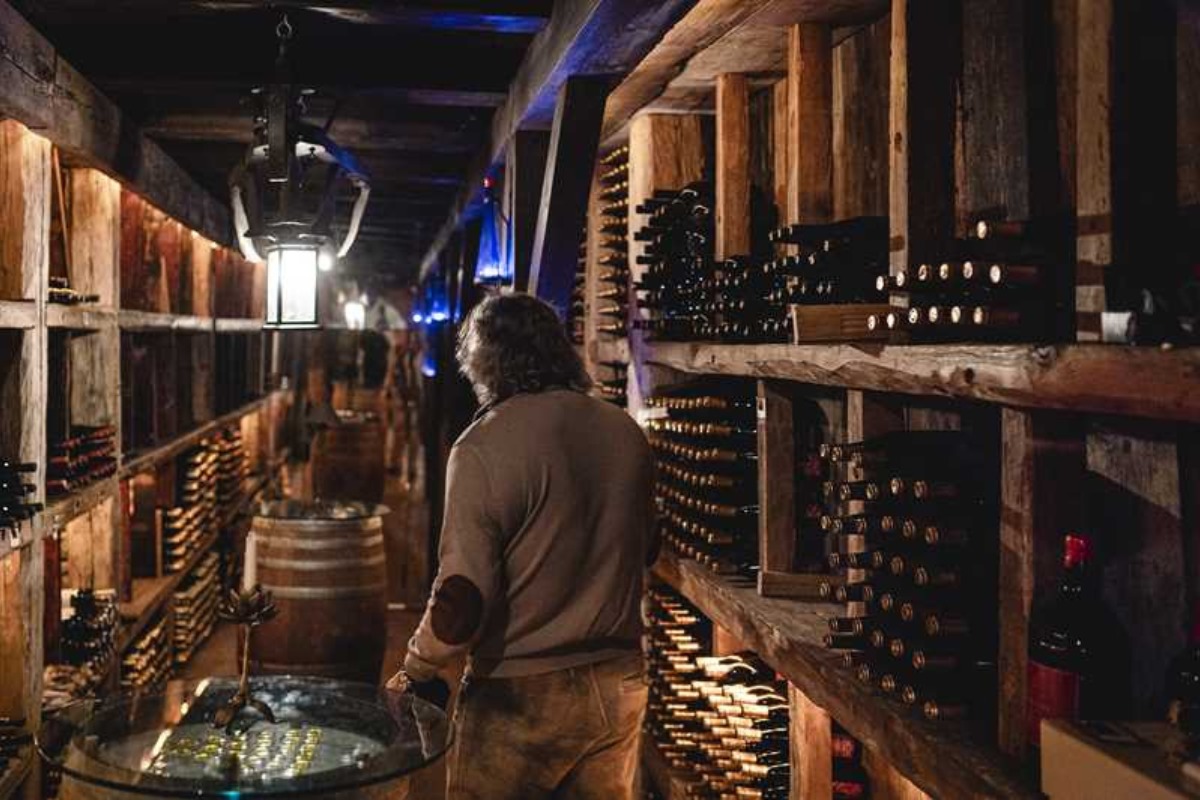
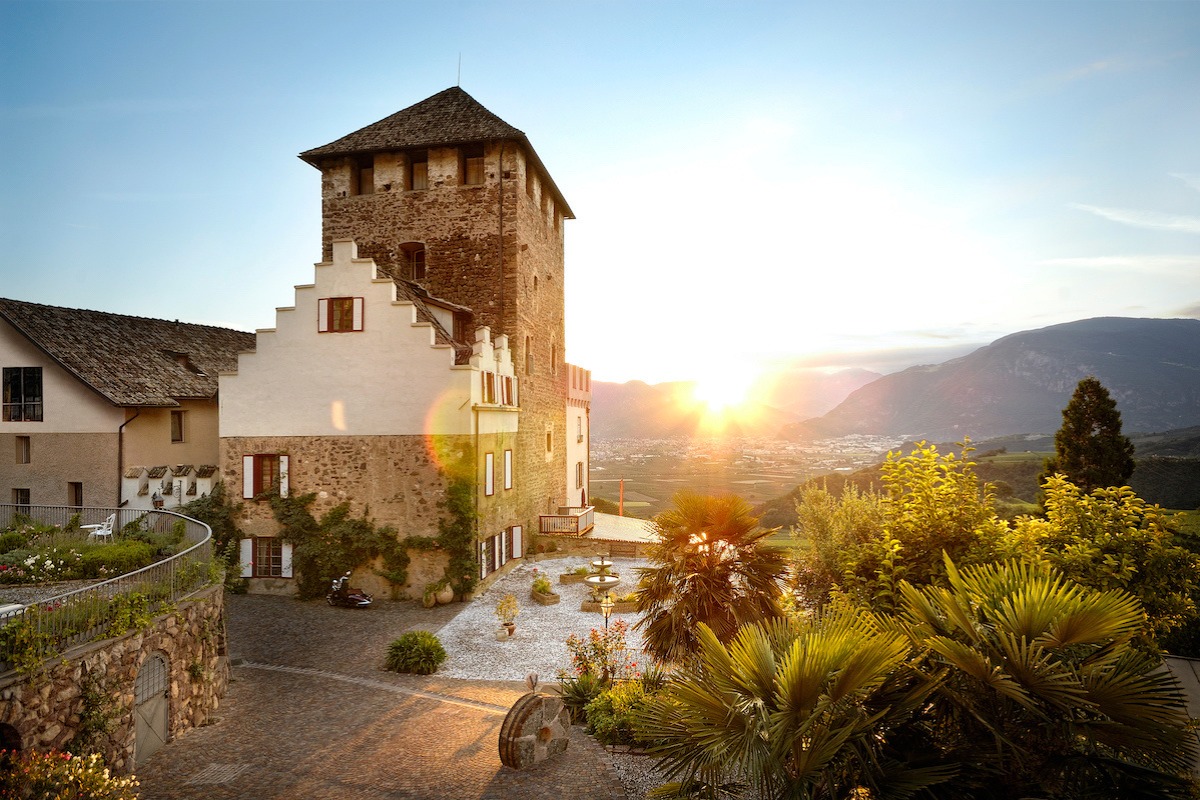 Set among the vineyards of South Tyrol, Schloss Hotel Korb is a place where centuries converge. The medieval castle has long overlooked the rolling landscapes of northern Italy, but beneath its ancient stone walls lies a more unexpected chapter of history. What was once a World War II bunker has since been transformed into the castle’s atmospheric wine cellar.
Today guests staying at this castle hotel in Italy can explore medieval architecture above ground and taste the region’s wines in a space that once served a far more defensive purpose – a powerful example of how historic buildings can evolve with grace and imagination.
A Renaissance Convent Reimagined in Tuscany
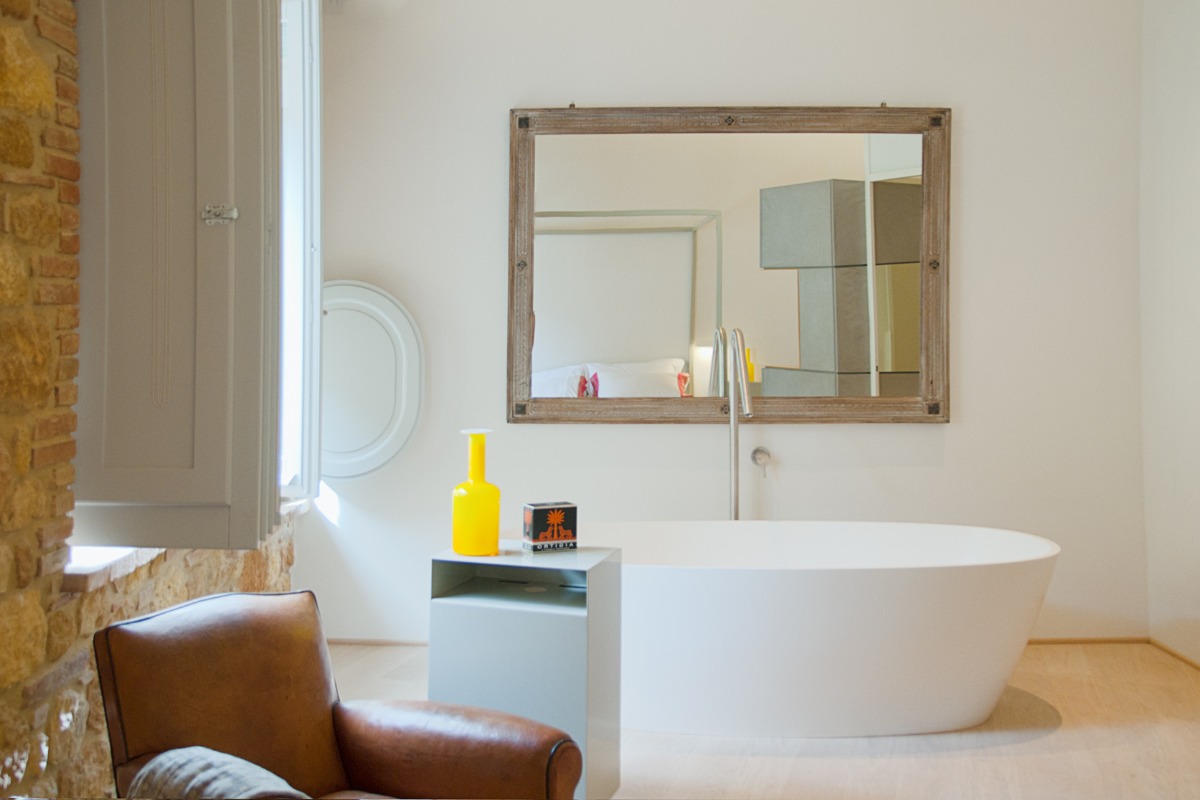
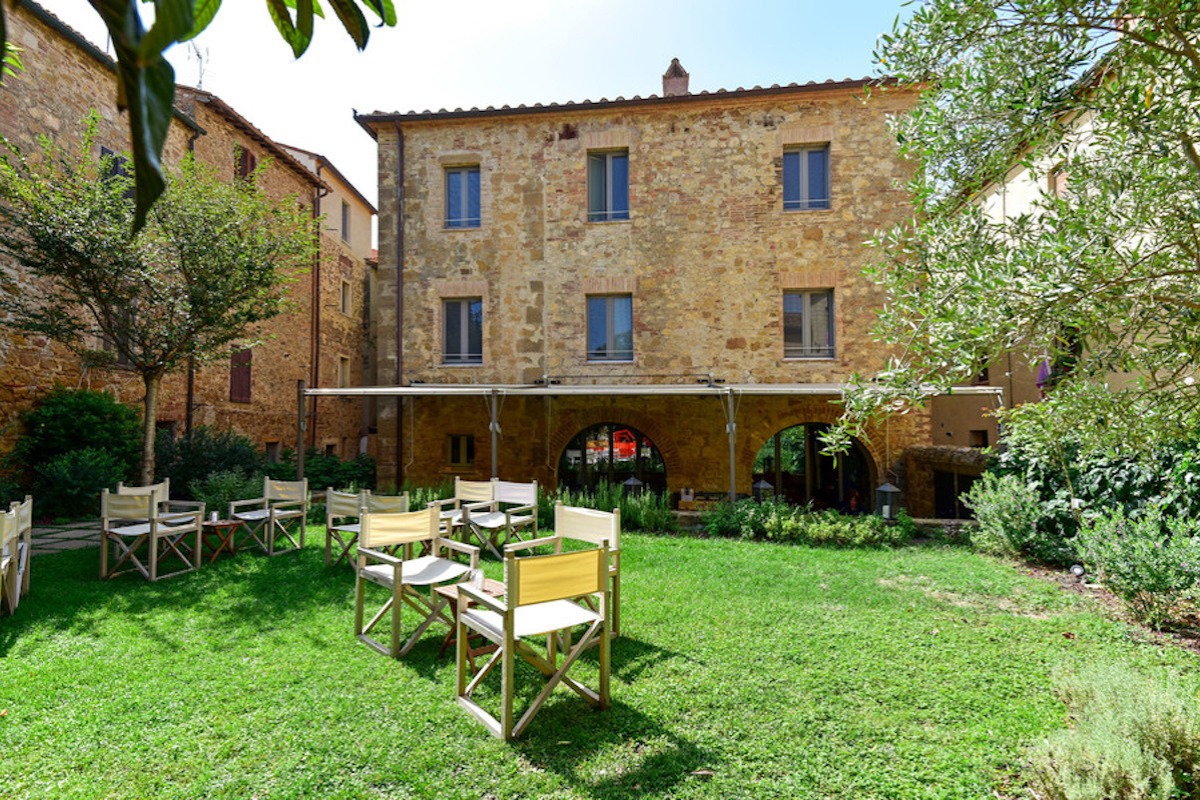
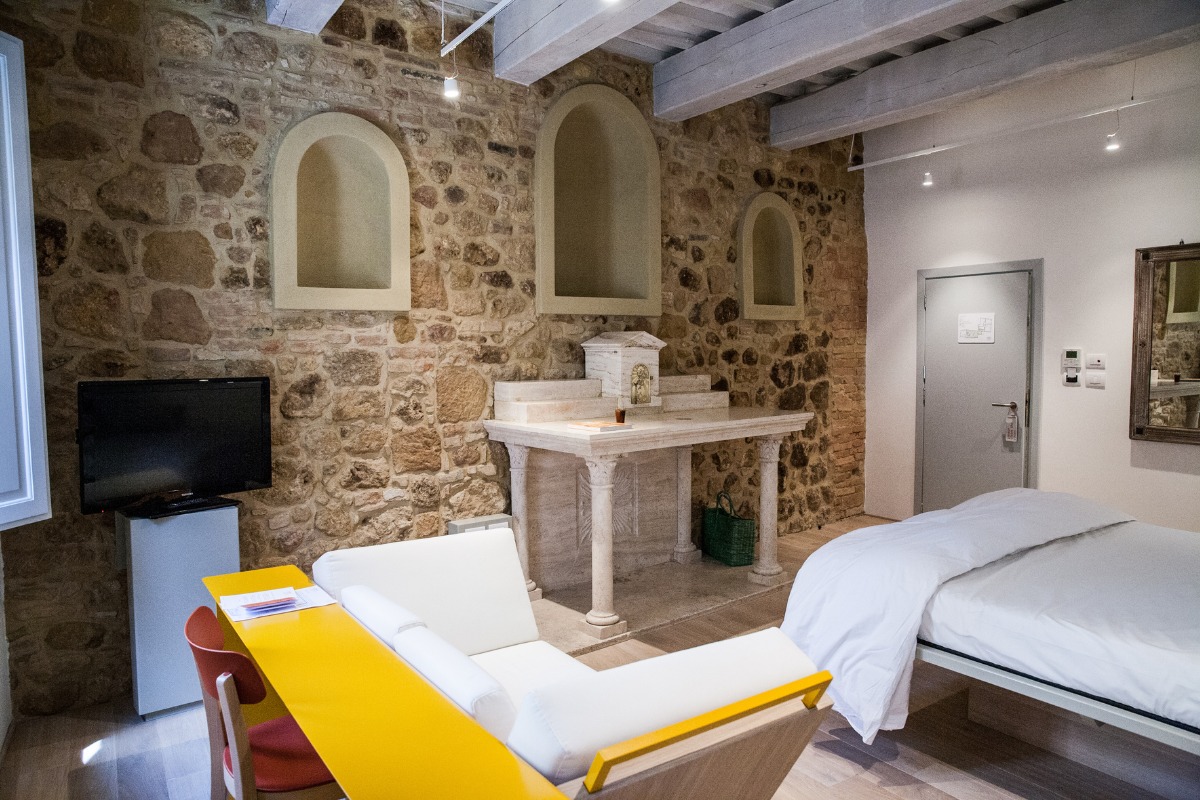
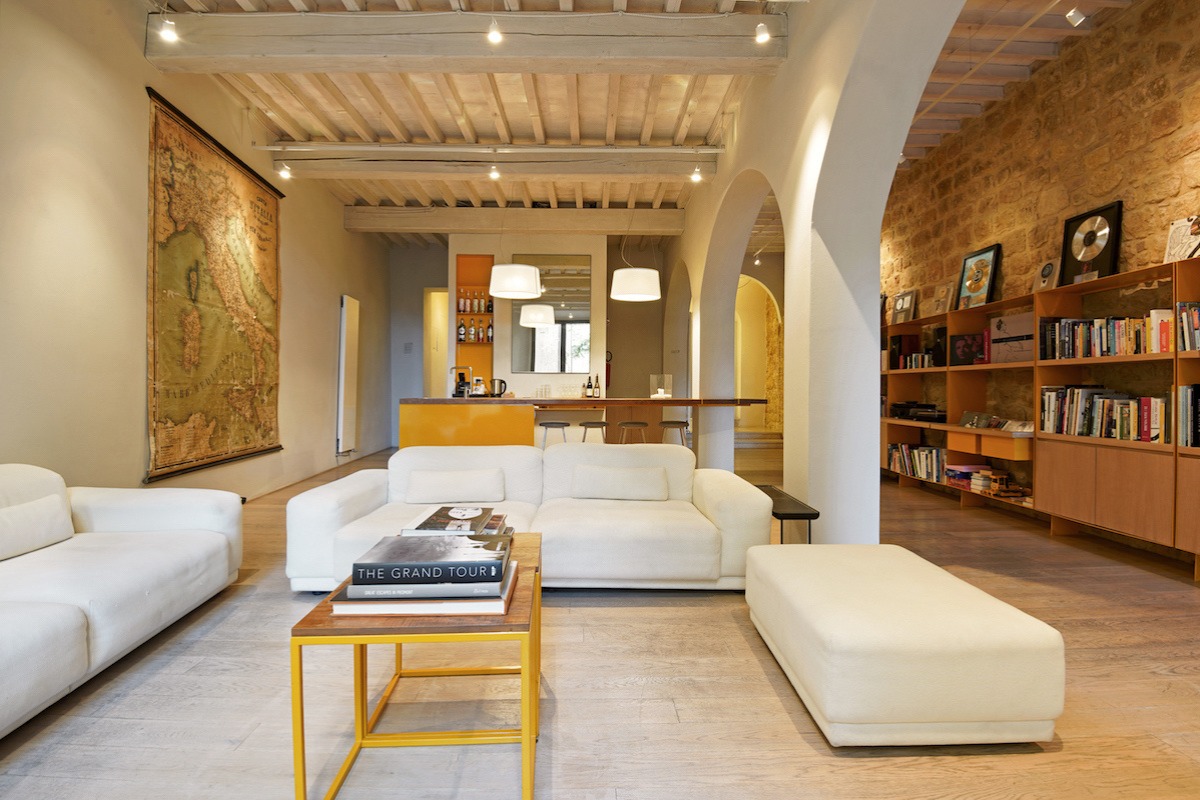 Just steps from the Cathedral of Pienza, La Bandita Townhouse feels as if it has always belonged to the village. Once a Renaissance-era convent housing 500 nuns, the building was rediscovered by John Voigtman, who transformed the creaking palazzo into a chic Tuscan hideaway while preserving its medieval walls, beams, and stone exterior. From the outside, it could still pass for a local’s home, quietly woven into the rhythms of daily village life.
Inside, 12 individually styled rooms, a lively restaurant, and welcoming communal spaces combine to create a luxurious yet approachable retreat. Guests can linger over Tuscan cuisine, relax in sunlit corners, or simply watch life unfold along the cobblestone lanes. La Bandita Townhouse is a place where history, hospitality, and village life converge, offering a story-driven stay that feels both authentic and intimately connected to Pienza’s timeless charm.
A Royal Residence in Stockholm’s Historic Heart
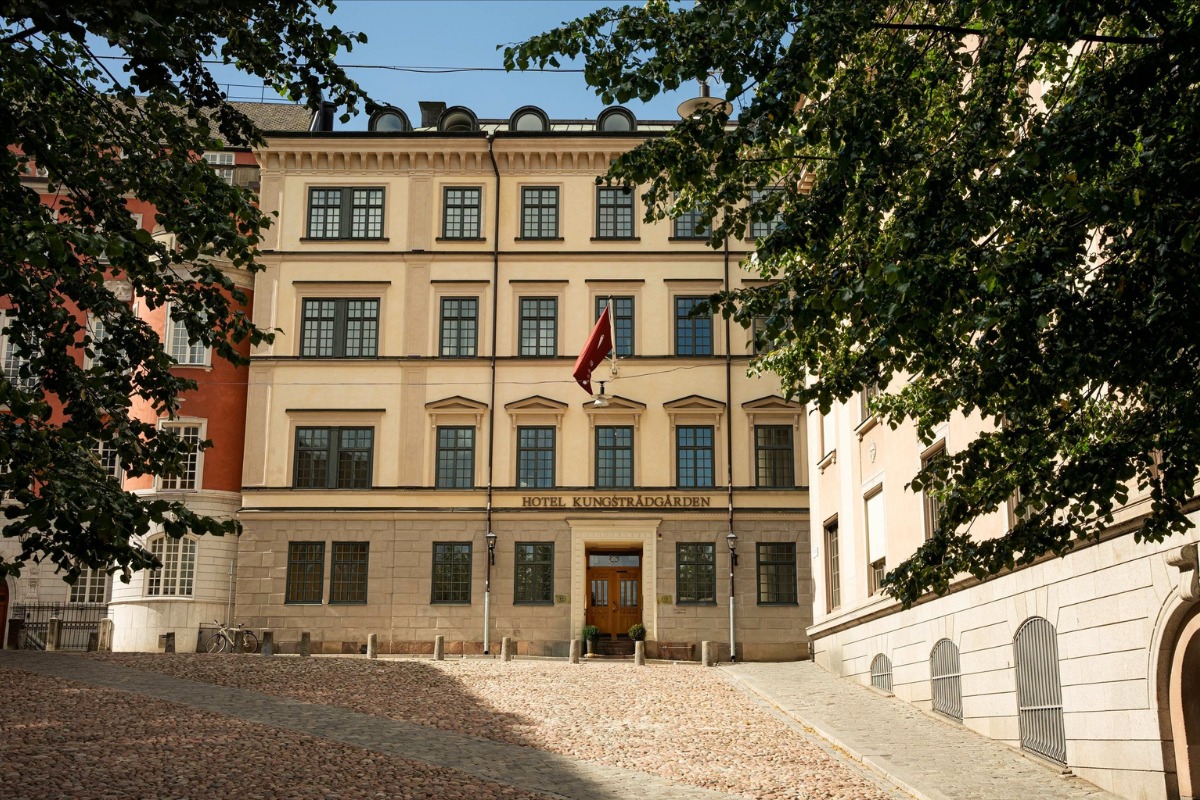 Hotel Kungsträdgården – The King’s Garden occupies a building with roots stretching back to the 18th century. Originally constructed as a private palace for the noble Lallerstedt family, the residence later served a variety of civic purposes as Stockholm evolved around it.
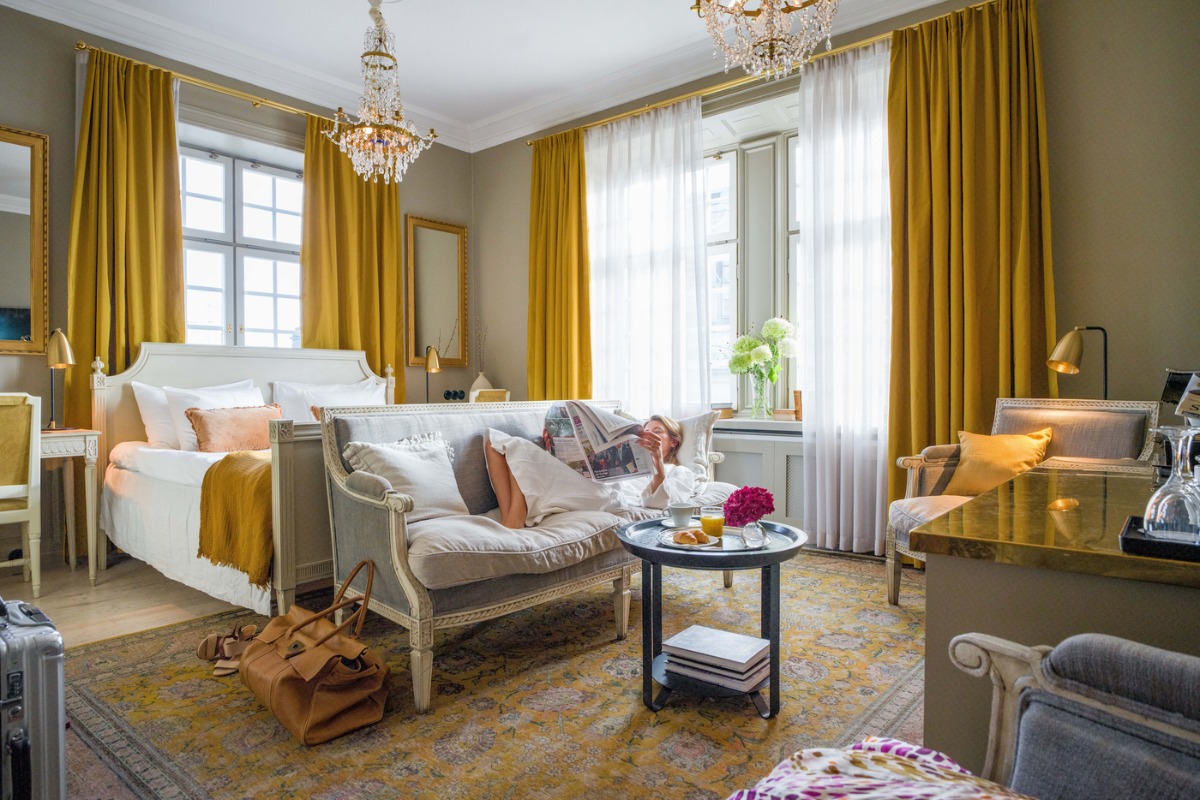
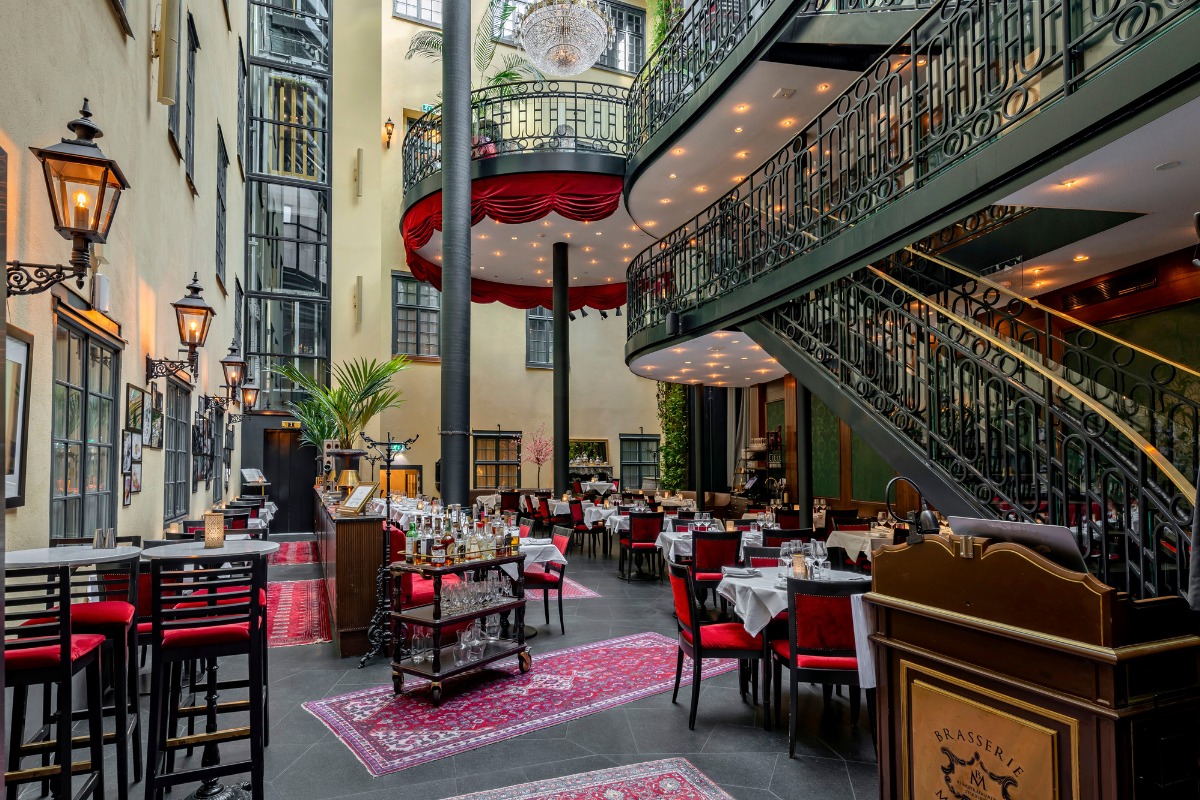
Following a meticulous restoration, the historic building was transformed into one of the city’s most characterful boutique hotels. The interiors draw inspiration from the era of King Gustav III, whose reign in the late eighteenth century shaped much of Stockholm’s cultural life. Hand-painted ceilings, chandeliers and classical detailing evoke the grandeur of the period while maintaining the warmth of an intimate townhouse.
Today the hotel feels both stately and welcoming, offering travellers a chance to stay within a piece of Stockholm’s aristocratic past.
An Artisan Workshop Turned Urban Retreat
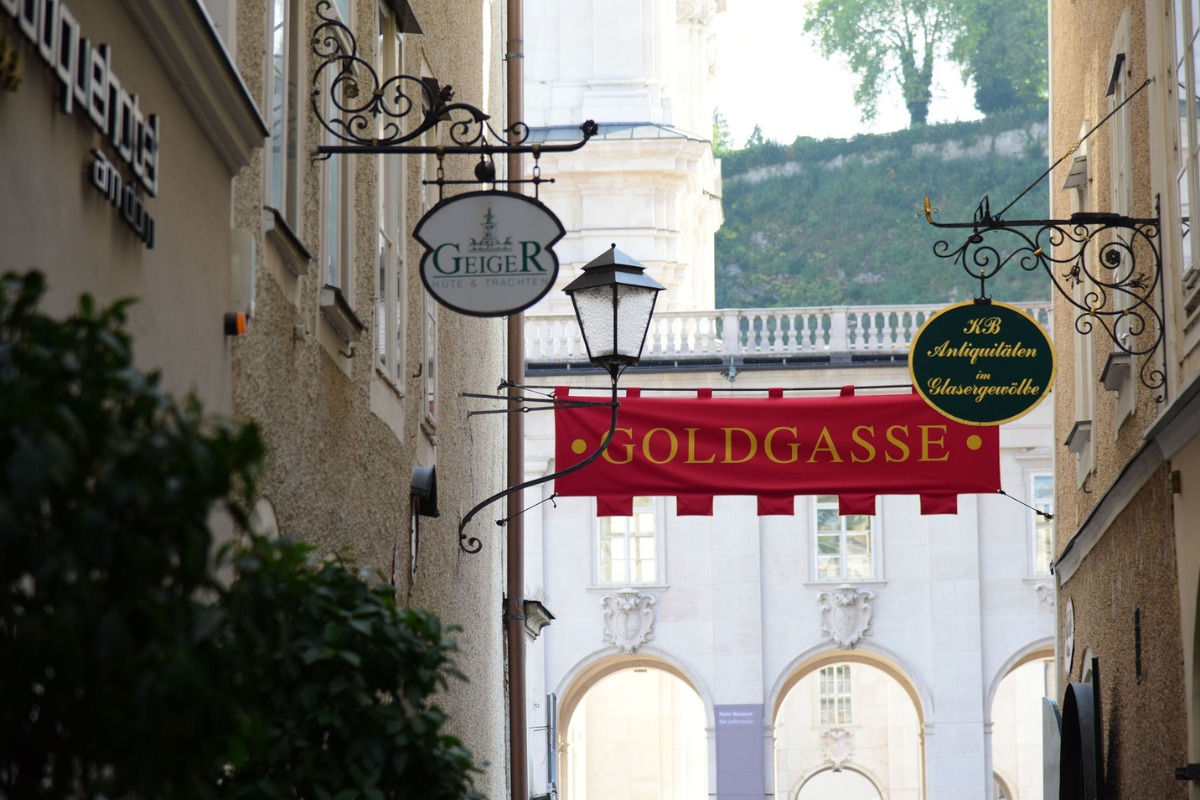
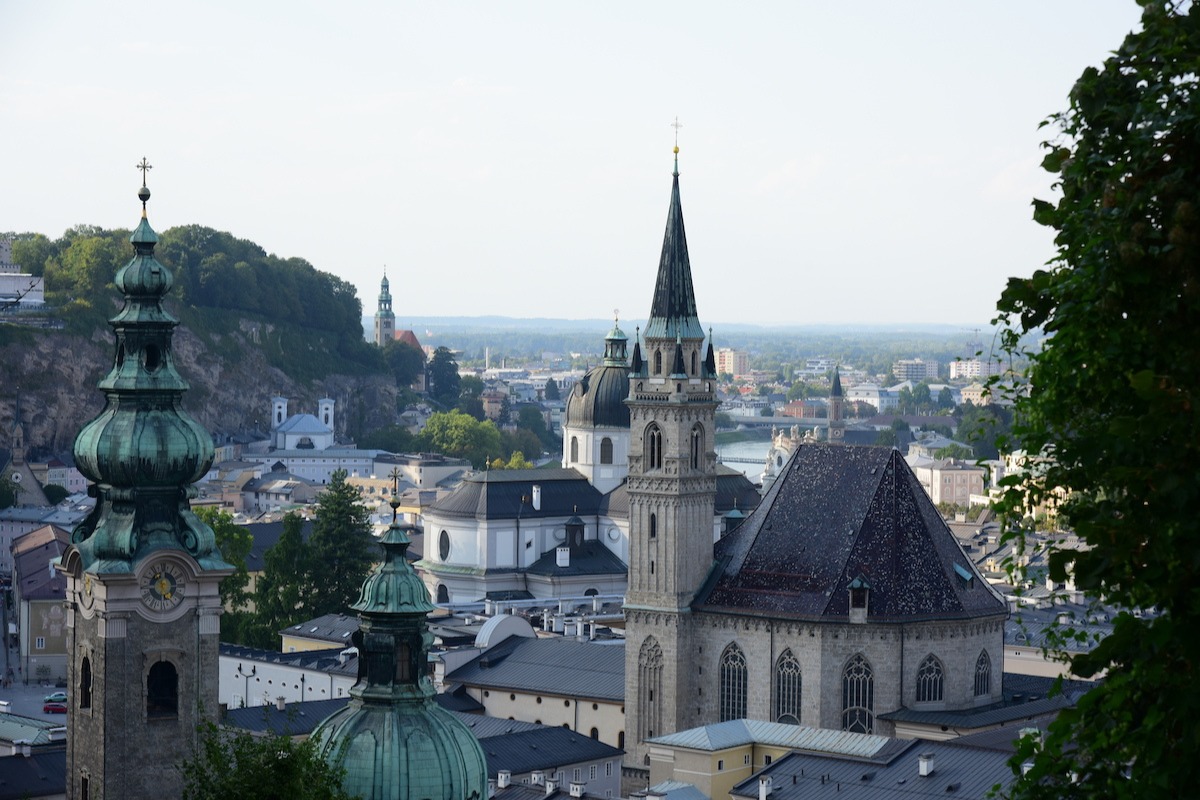
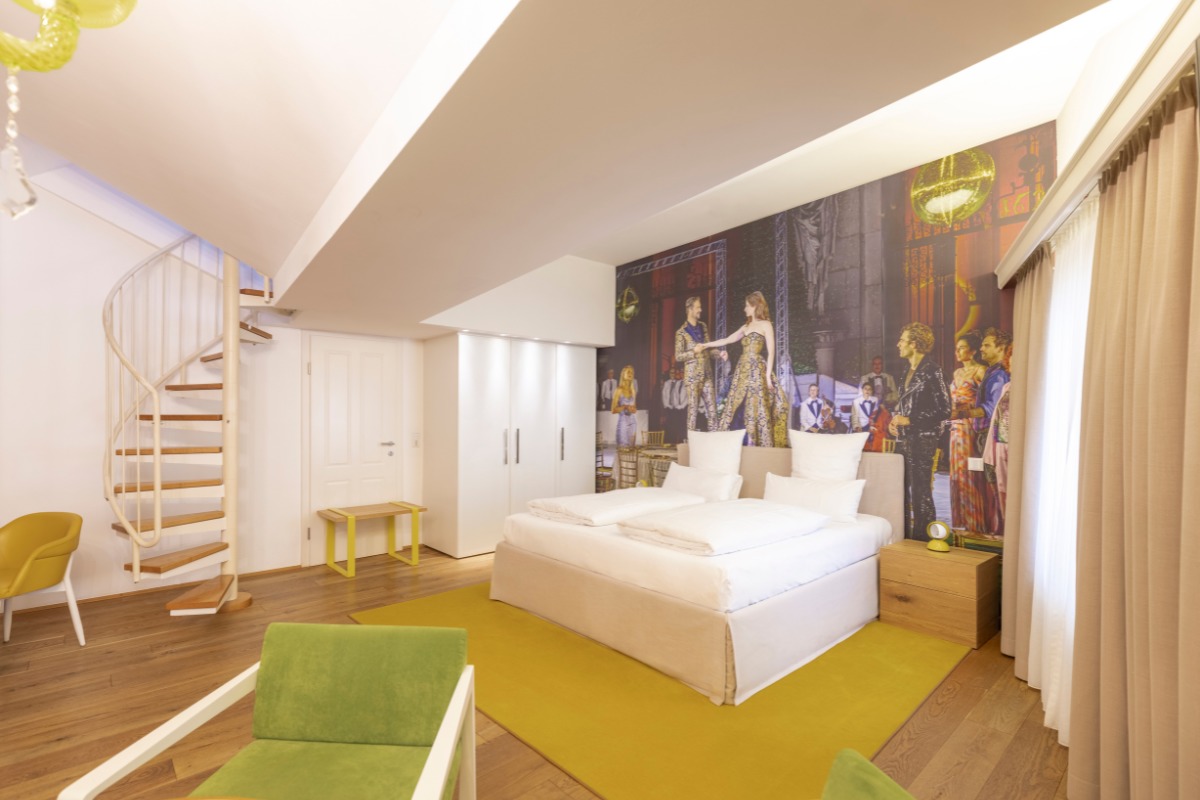 In Salzburg’s charming Old Town, the past lingers in every narrow street and hidden courtyard. One such building, now home to Hotel Goldgasse, once served as a 16th-century coppersmith’s workshop.
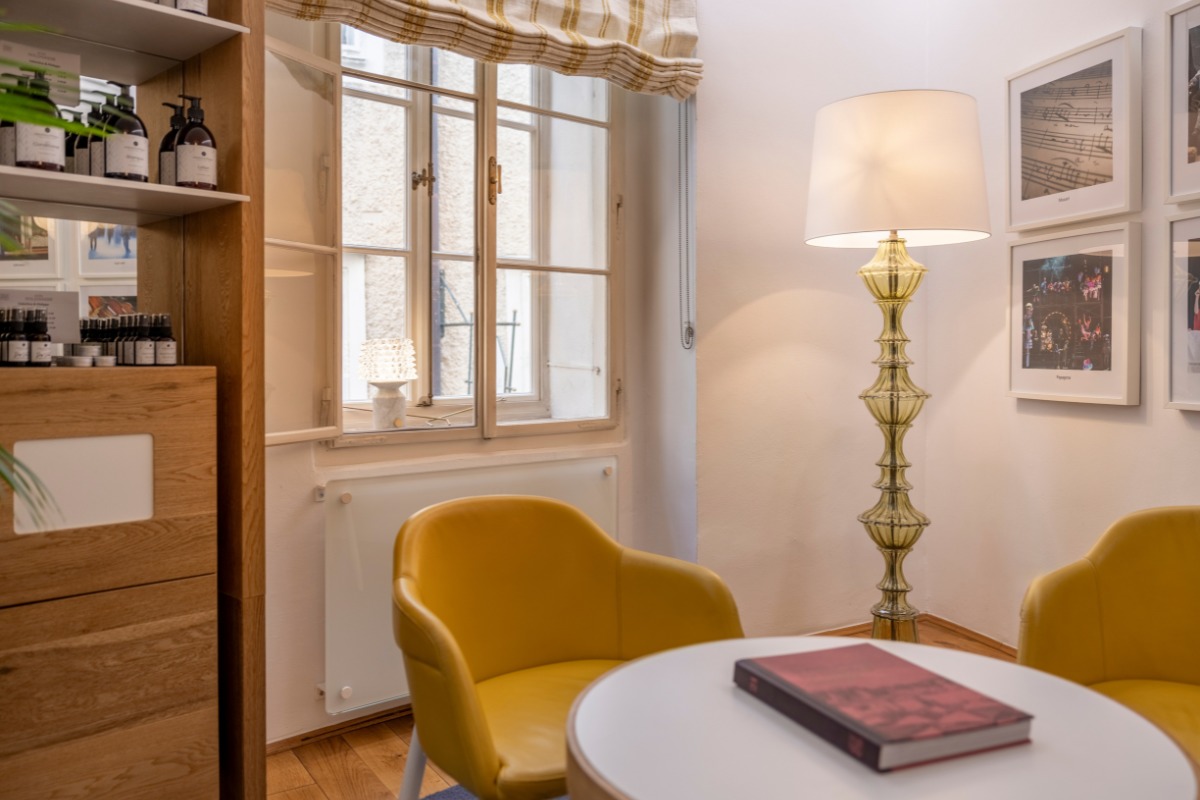
Today the former artisan space has been carefully restored into a refined boutique hotel in Salzburg, where contemporary design meets centuries-old craftsmanship. Elements of the building’s past are woven into its identity, celebrating the historic trades that once animated the city. For travellers seeking historic hotels in Austria, it offers something special: a place where the legacy of European craftsmanship has been transformed into a warm and stylish urban sanctuary.
Where History Becomes the Destination
These remarkable properties share a common philosophy: preserving the past while creating unforgettable experiences for modern travellers. In an era when authenticity matters more than ever, historic boutique hotels offer something new luxury developments cannot – a sense of place shaped by time.
Whether it’s a medieval tower in Florence, a castle in South Tyrol, or an abandoned cable car station in the Swiss Alps, these story-driven luxury hotels demonstrate the beauty of transformation. For travellers seeking meaningful experiences and extraordinary architecture, these salvaged spaces prove that the most compelling luxury stays are often those with the richest histories.
