Why Boutique Hotel Restaurants Are More Interesting Than Ever
Our Hotlist
Once considered an afterthought, hotel restaurants have quietly become some of the most compelling dining destinations in their own right. Today, they are not simply places to eat—they are expressions of identity, creativity, and place, offering travellers experiences that rival standalone fine-dining establishments.
From design-led spaces and hyper-local sourcing to chef-led residencies and tasting menus, boutique hotel restaurants are redefining what it means to dine away from home. Increasingly, they are the very reason to visit.
Design-Led Dining That Shapes the Experience
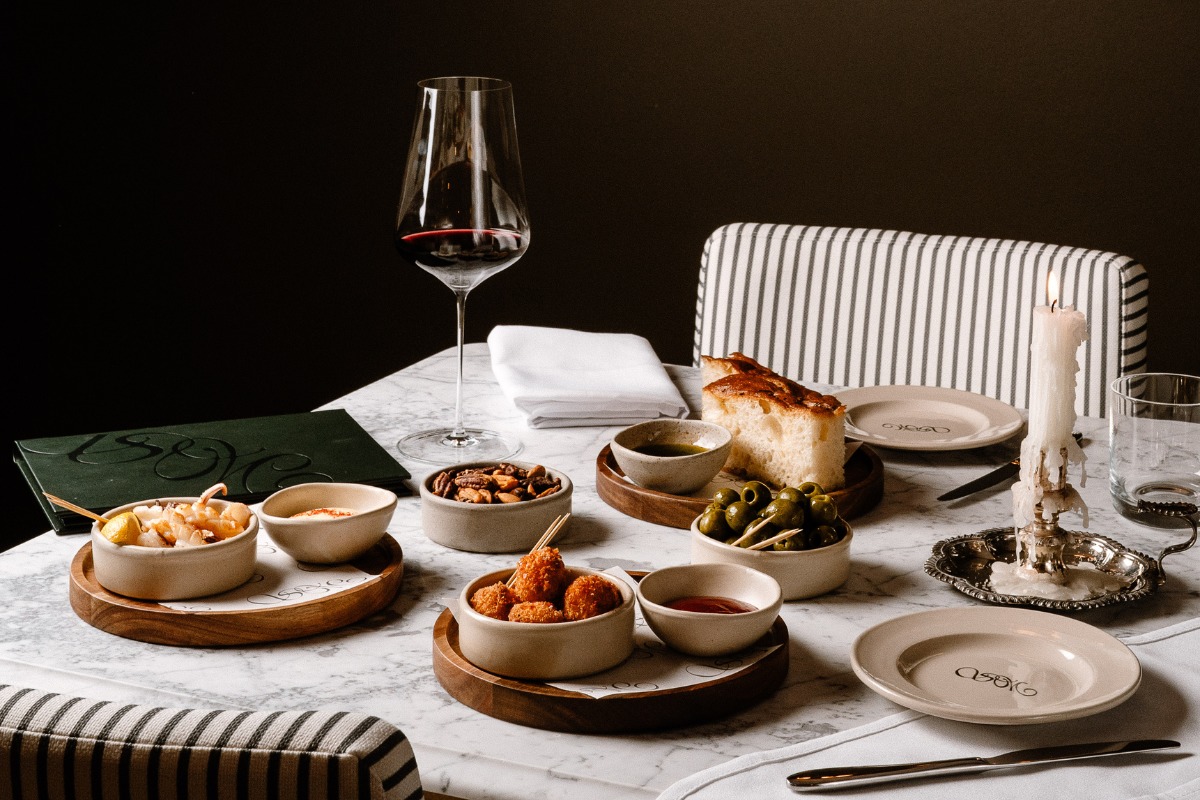
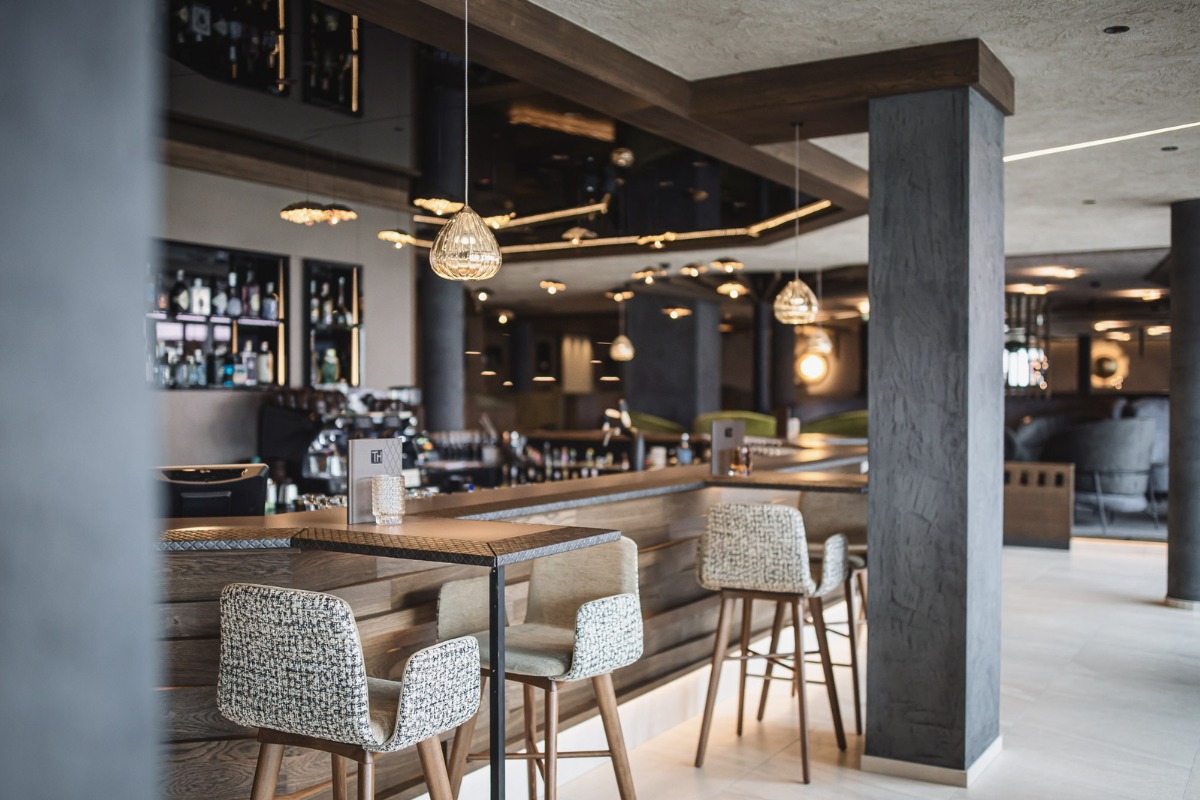
Atmosphere now plays as crucial a role as the menu. Interiors, tableware, lighting, and even acoustics are carefully considered, creating spaces that feel immersive rather than merely functional.
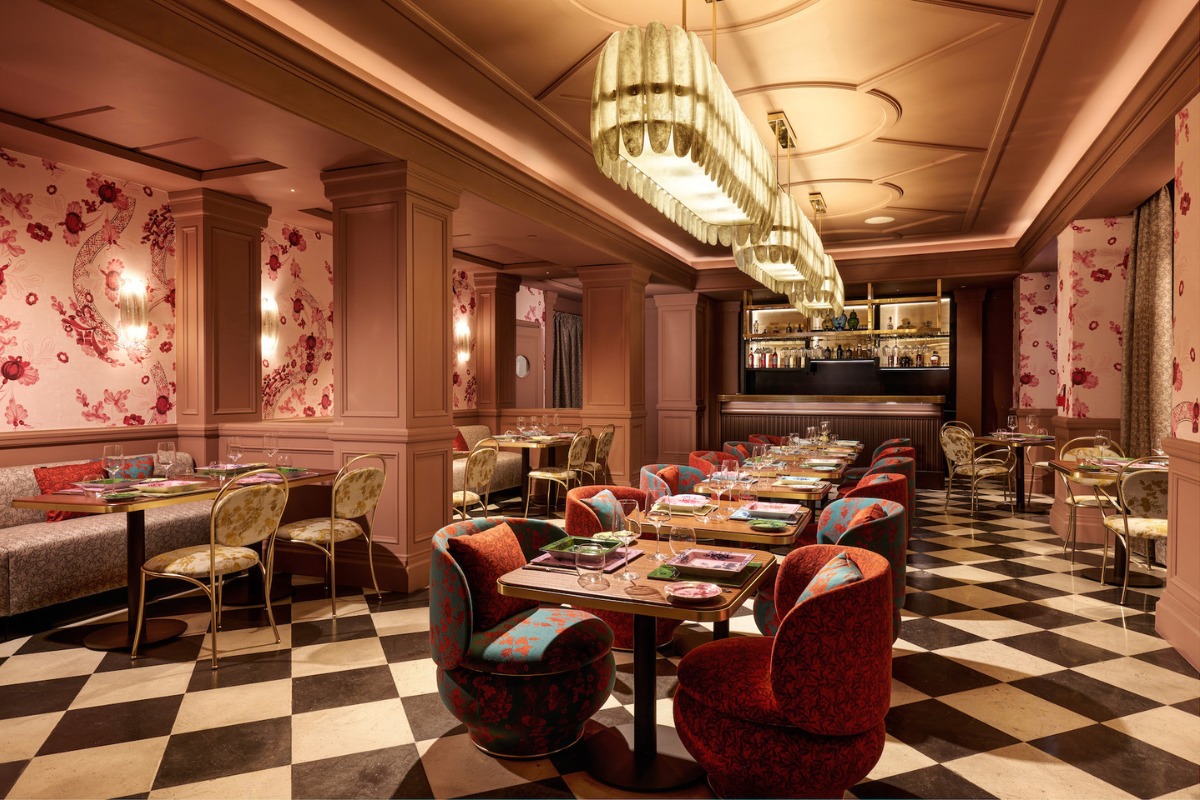
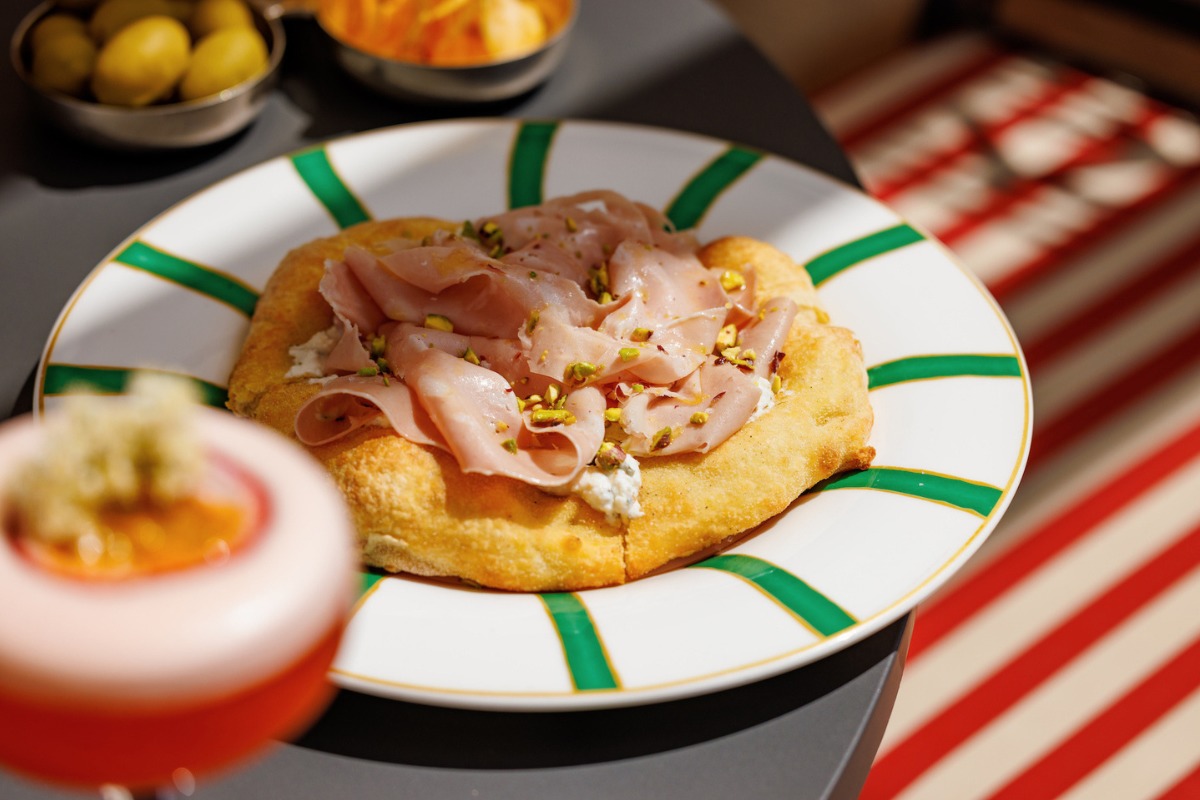
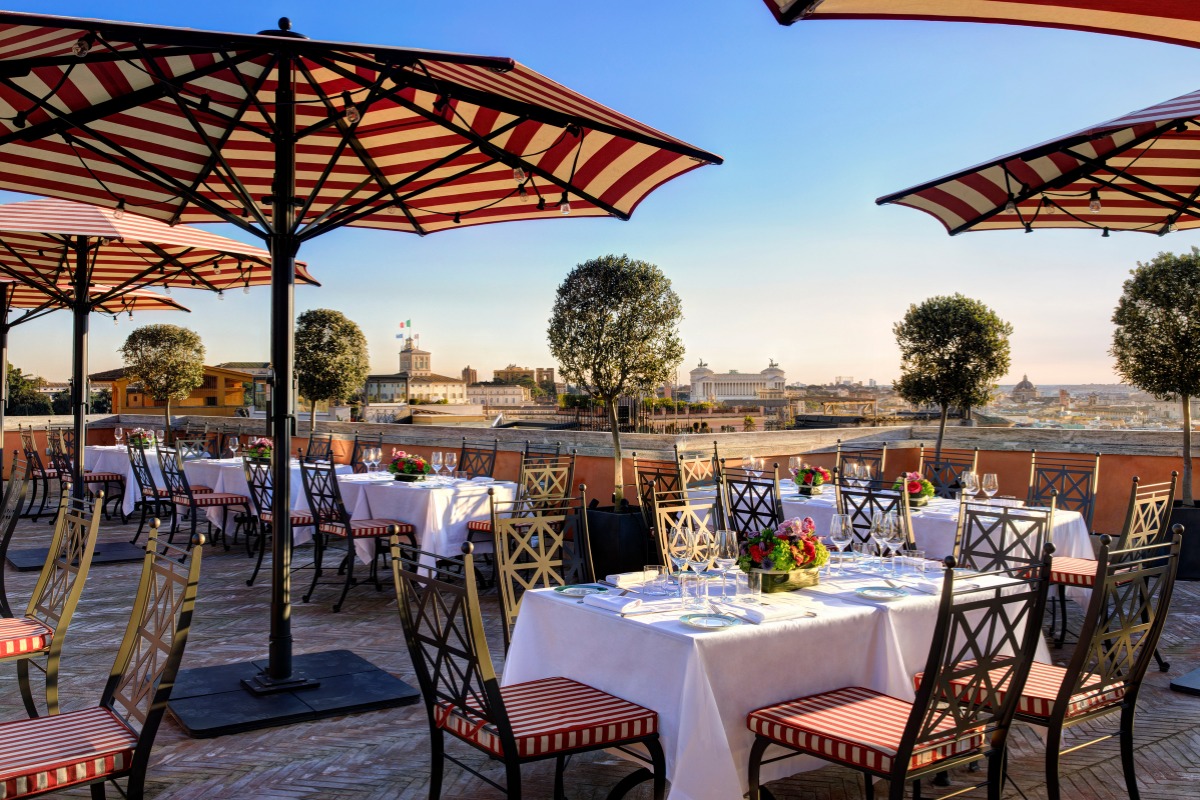
At Hotel de la Ville in Rome, design takes centre stage in multiple forms. From the mosaic-filled interiors of Mosaico to the effortlessly stylish Café Ginori—created in collaboration with Ginori 1735—and the panoramic rooftop restaurant Cielo, dining unfolds across a series of beautifully curated spaces. Under the guidance of Fulvio Pierangelini, each setting offers a distinct yet cohesive culinary identity, rooted in the spirit of Rome.
Flemings Mayfair in London similarly demonstrates the power of space in dining. Ormer Mayfair offers seasonal tasting menus in a contemporary, stylish environment, guided by Executive Chef Sofian Msetfi, whose background includes some of the UK and Ireland’s most respected Michelin-starred kitchens. Here, culinary expertise and sophisticated design elevate every dish into an experience.
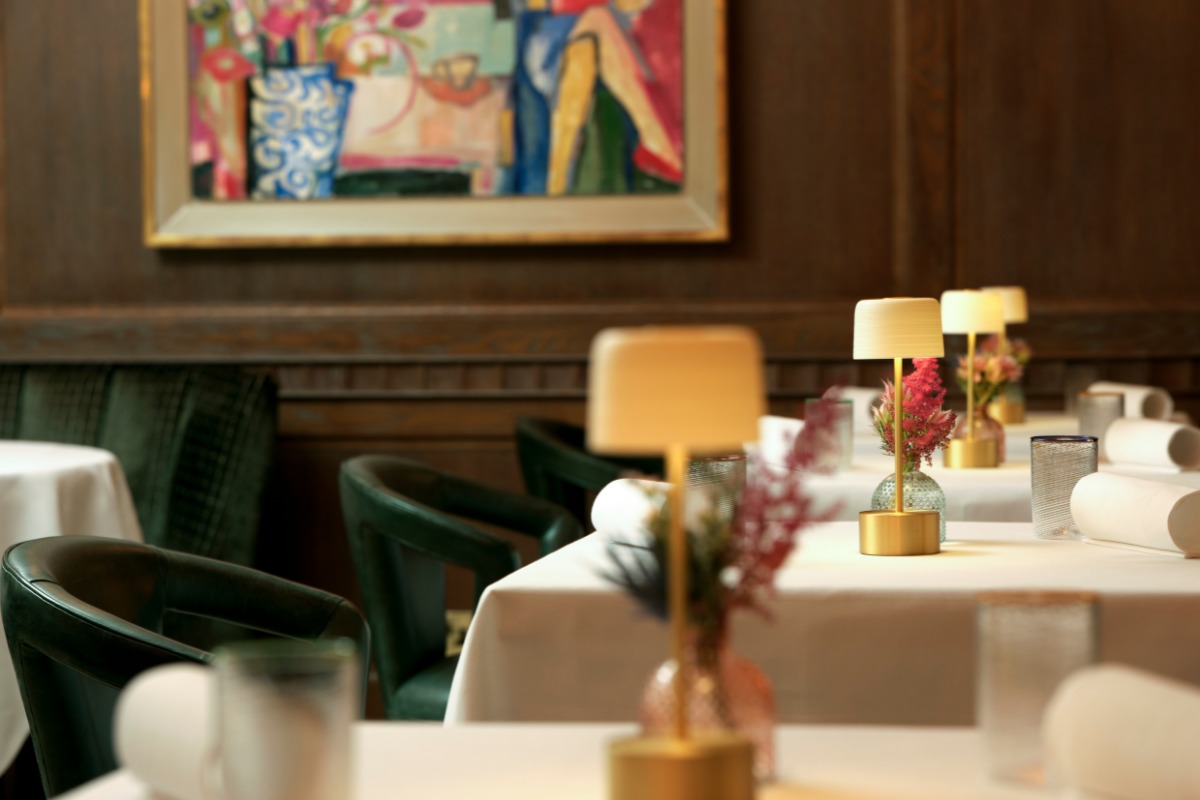
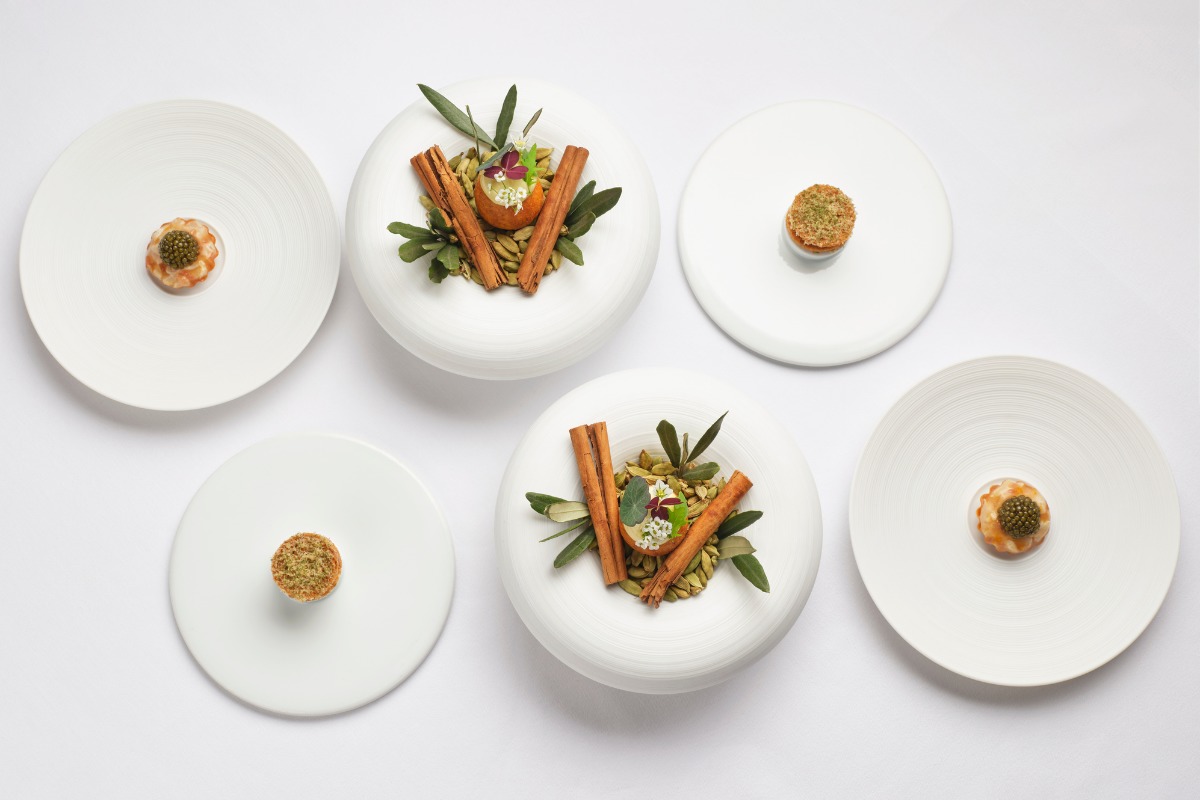
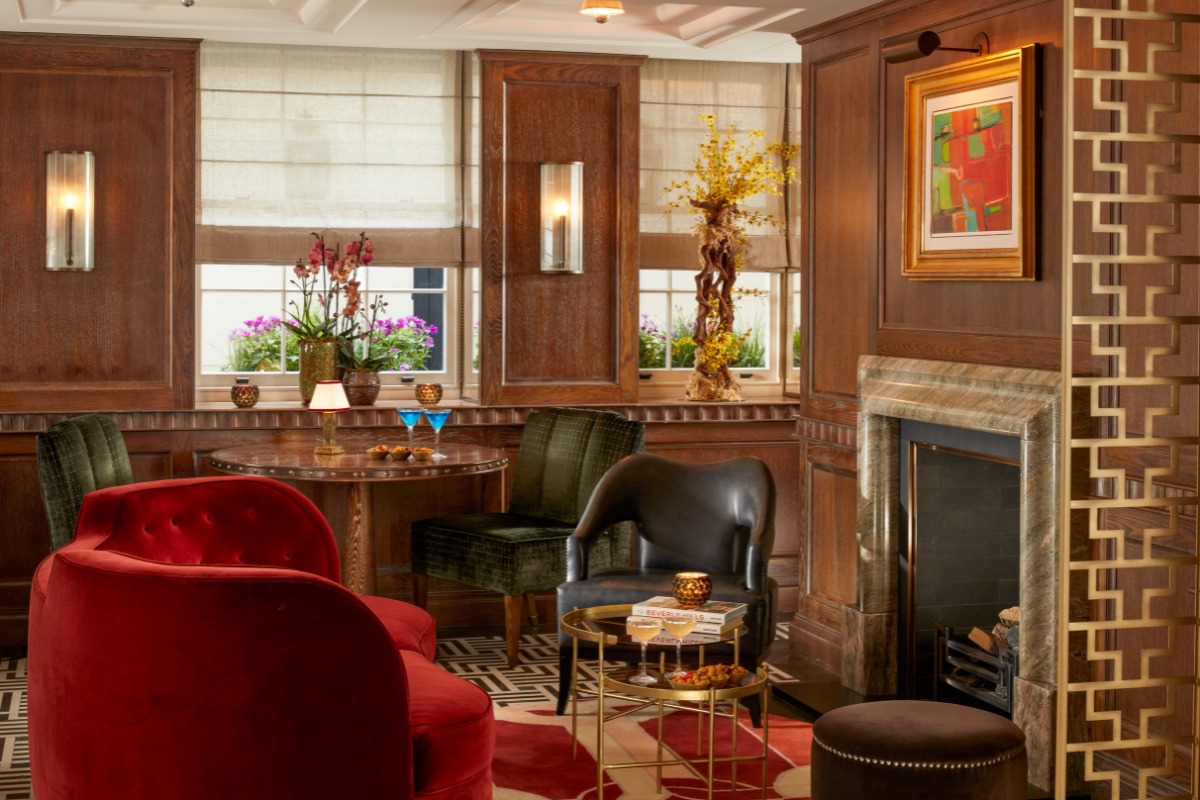
In these hotels, design and gastronomy work in harmony, creating something far more memorable than a traditional hotel meal.
Hyper-Local & Seasonal Cuisine
A strong sense of place is now essential to the modern boutique hotel restaurant. Menus are shaped by landscape, tradition, and seasonality—bringing guests closer to their destination through taste.
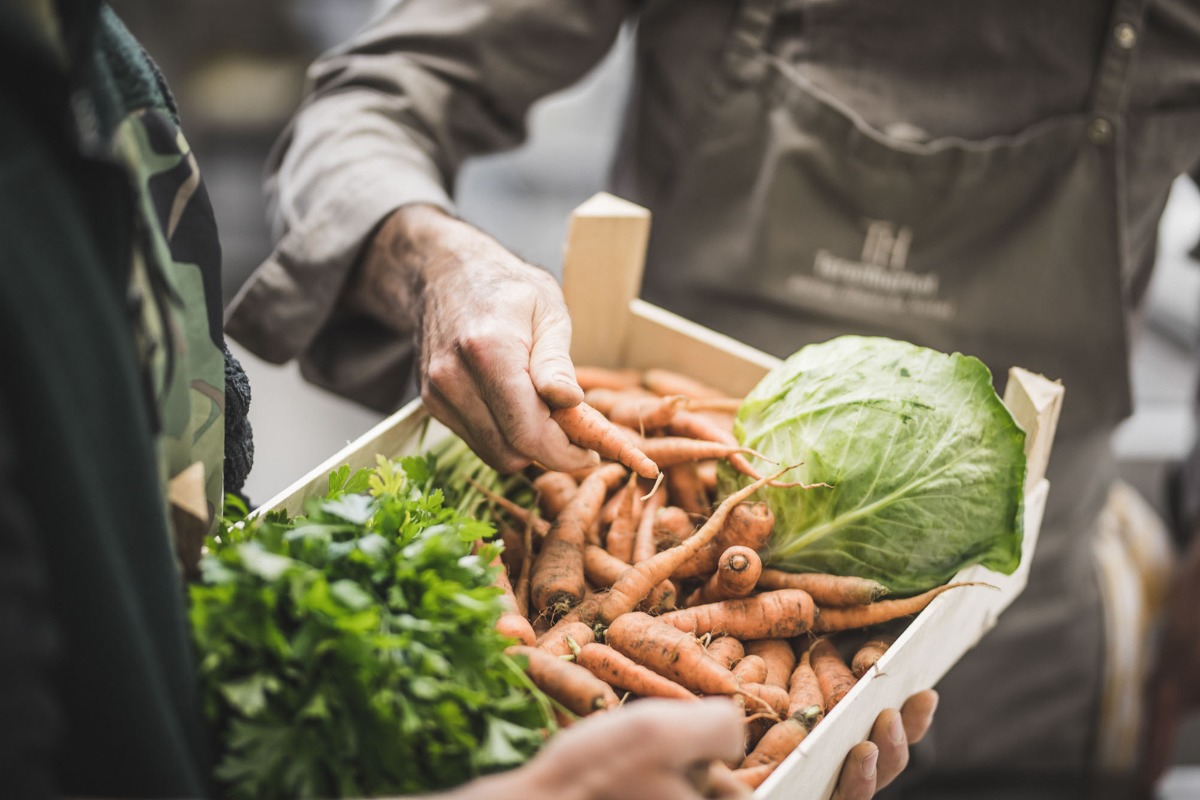
At Saltmoore, this philosophy is central. Inspired by the surrounding moors and coastline, the kitchen embraces a farm-to-fork approach, partnering with local suppliers to celebrate the region’s natural bounty. Whether it’s a long, leisurely lunch or an evening gathering, each dish reflects the textures and flavours of North Yorkshire.
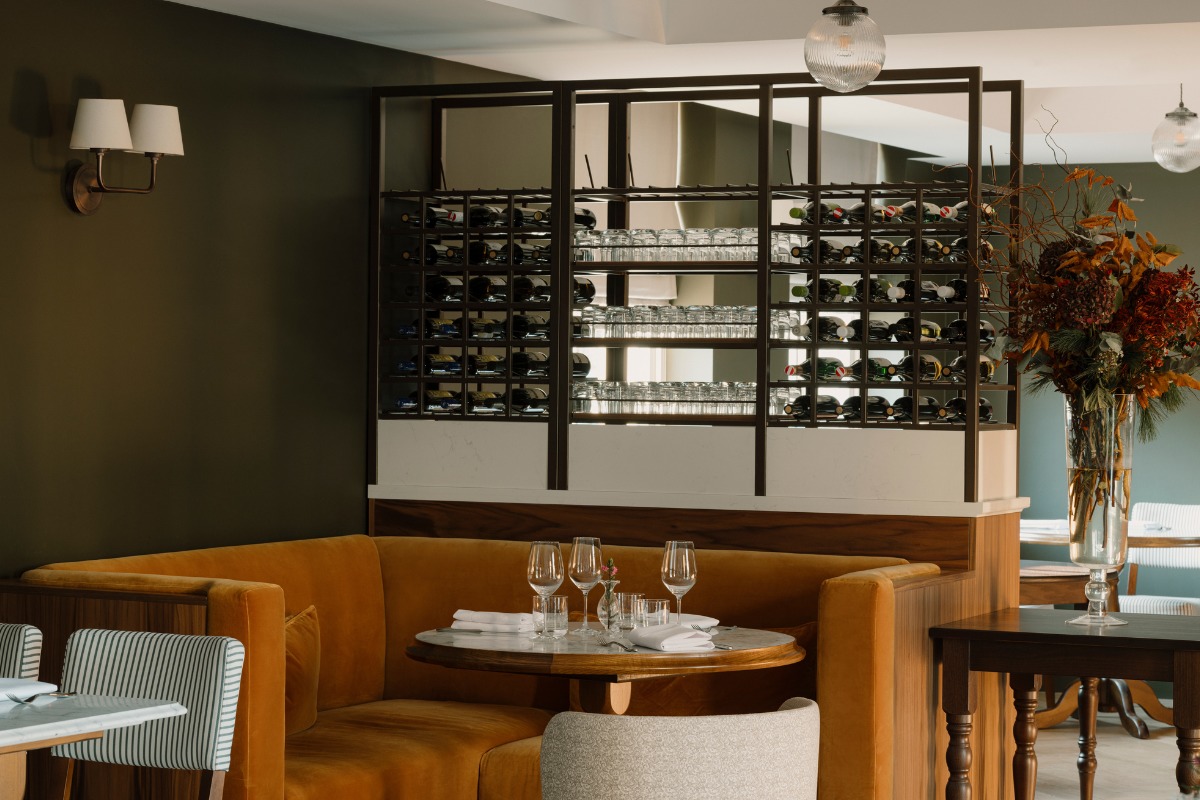
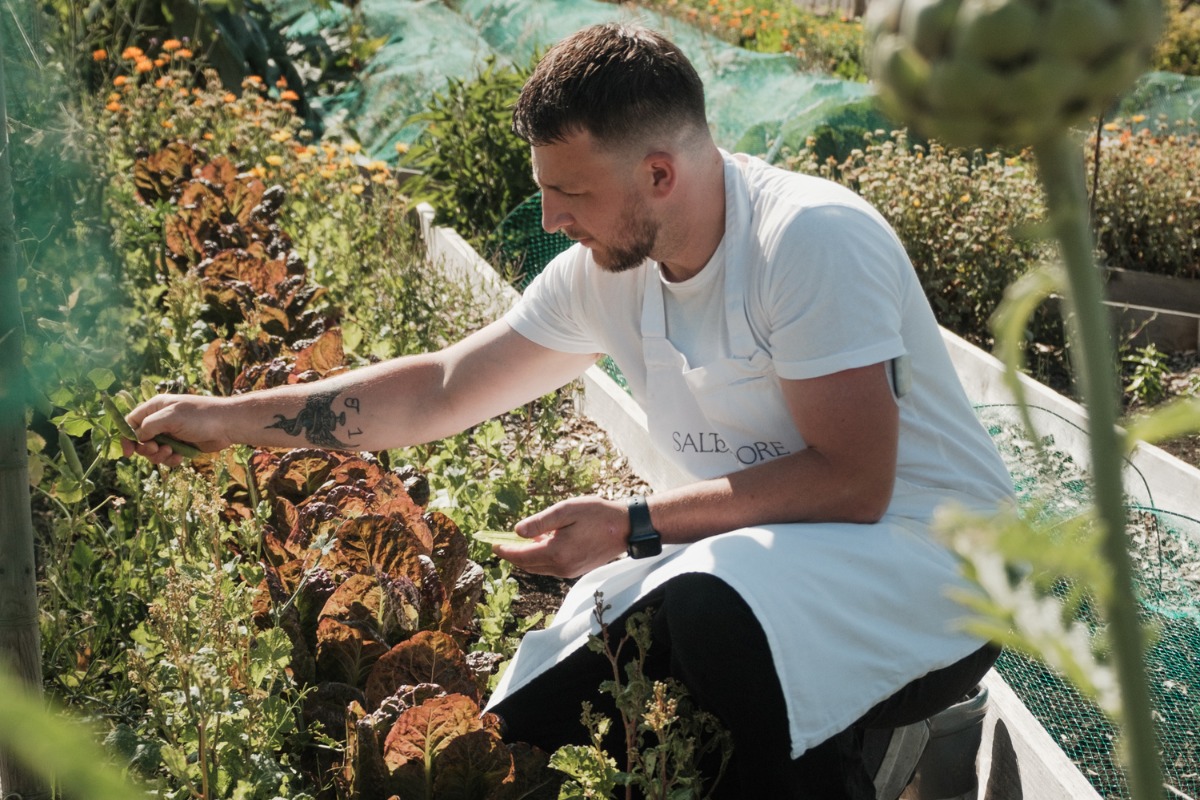
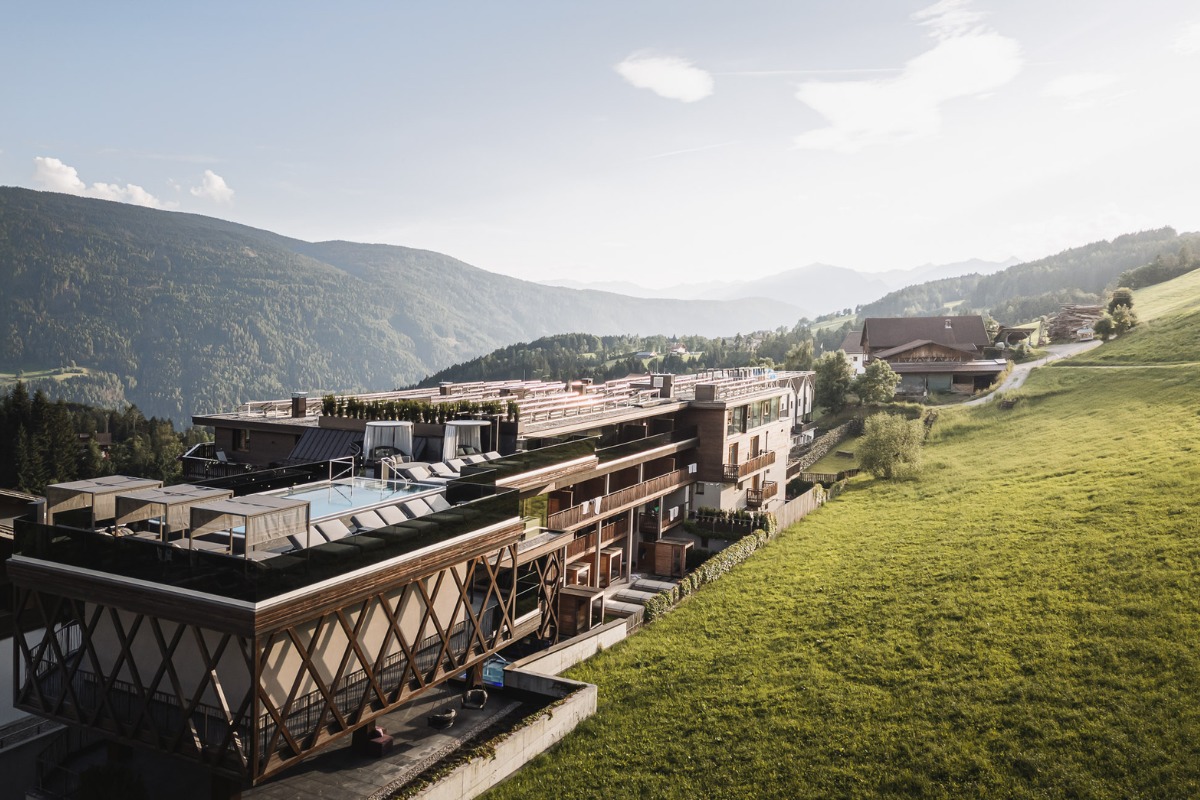
Hotel Terentnerhof in South Tyrol offers a culinary journey through the Alps. Regional ingredients are transformed into innovative dishes that balance tradition with creativity, complemented by a thoughtful selection of local and international wines. Dining here becomes a sensory exploration of South Tyrol itself, highlighting the power of hyper-local cuisine in boutique hotels.
Chef-Led Experiences & Elevated Dining
For travellers seeking culinary experiences that are as much about artistry as they are about flavour, chef-led restaurants and immersive programs are taking centre stage.
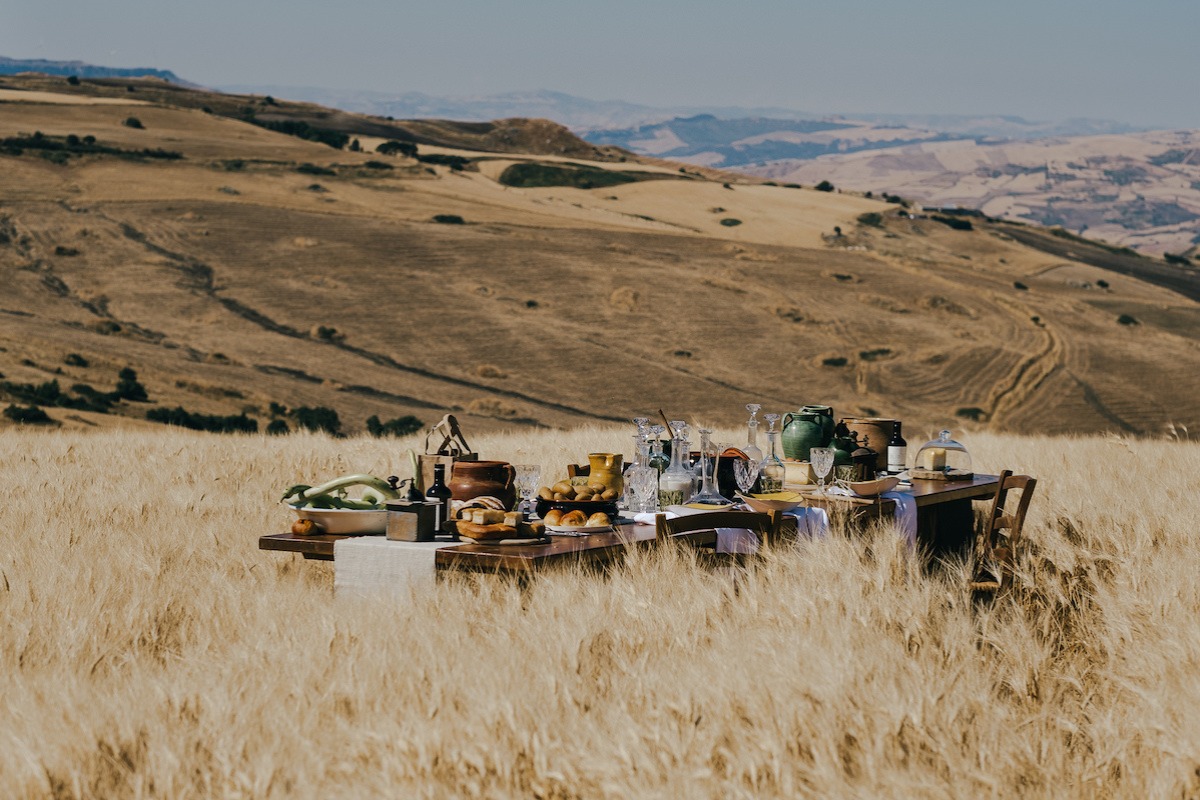
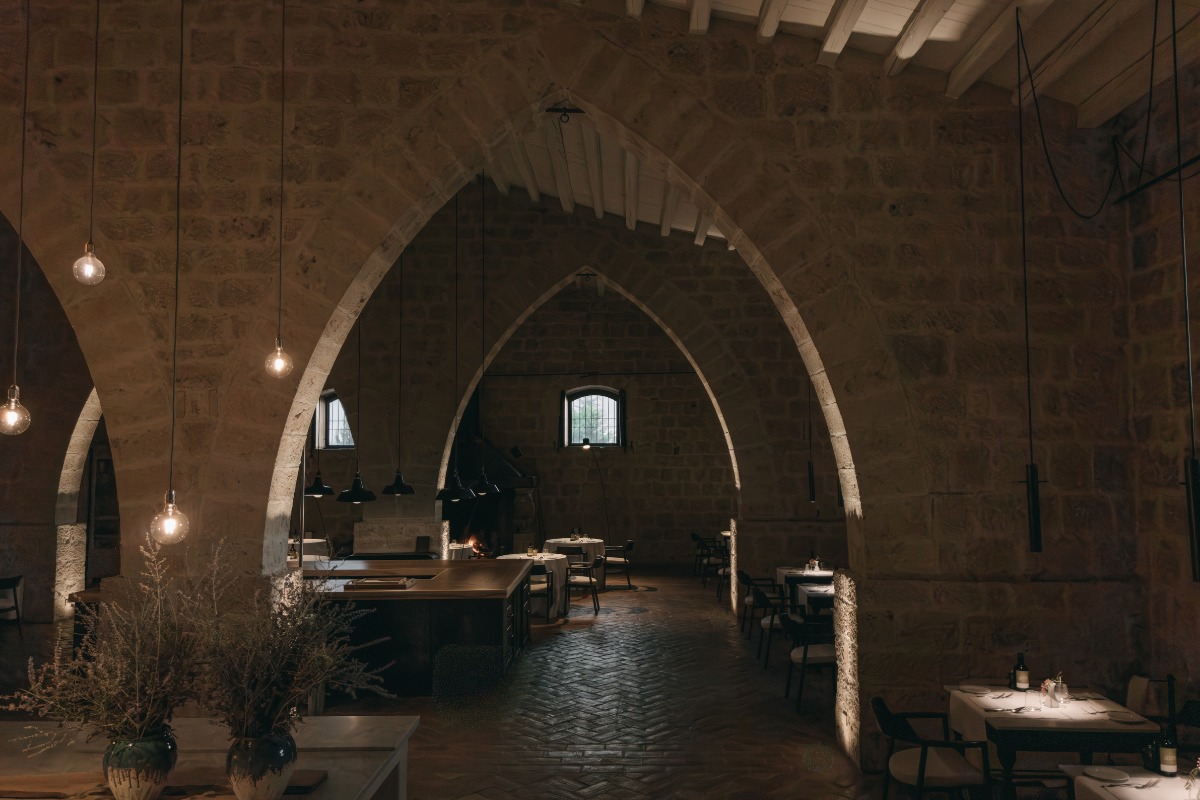
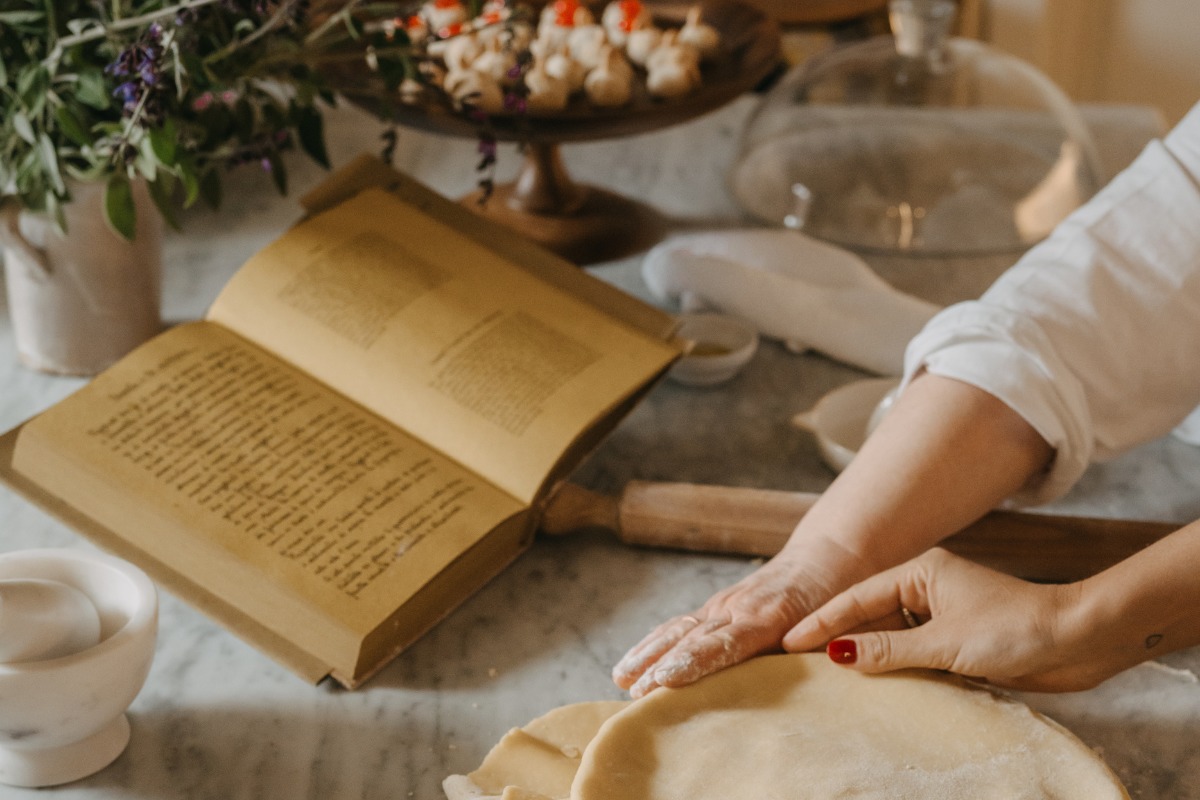
At Susafa in Sicily, immersive culinary programs invite guests behind the scenes of the kitchen. Seasonal menus are paired with hands-on experiences, allowing visitors to engage directly with local ingredients, traditional recipes, and modern culinary techniques. Dining here is not only about the finished plate—it’s a storytelling experience that connects guests to the culture, history, and creativity of Sicilian cuisine.
Similarly, Hurley House’s Omakase Sushi Bar transforms dining into an intimate, interactive experience. Guests watch as the chef carefully crafts each piece of sushi, creating a tasting journey that blends precision, creativity, and the freshest, high-quality ingredients. The focus on technique, presentation, and personal interaction elevates the meal beyond a simple dinner, turning it into a chef-led experience that defines the hotel stay itself.
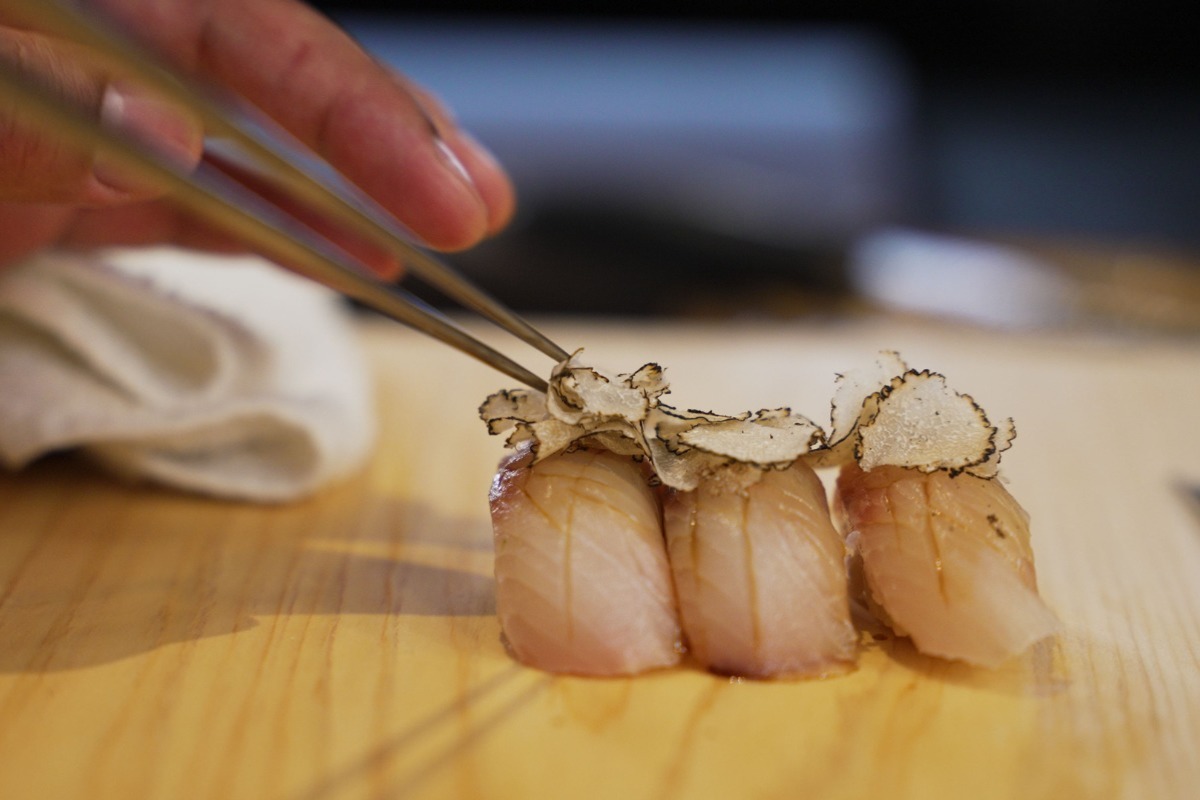
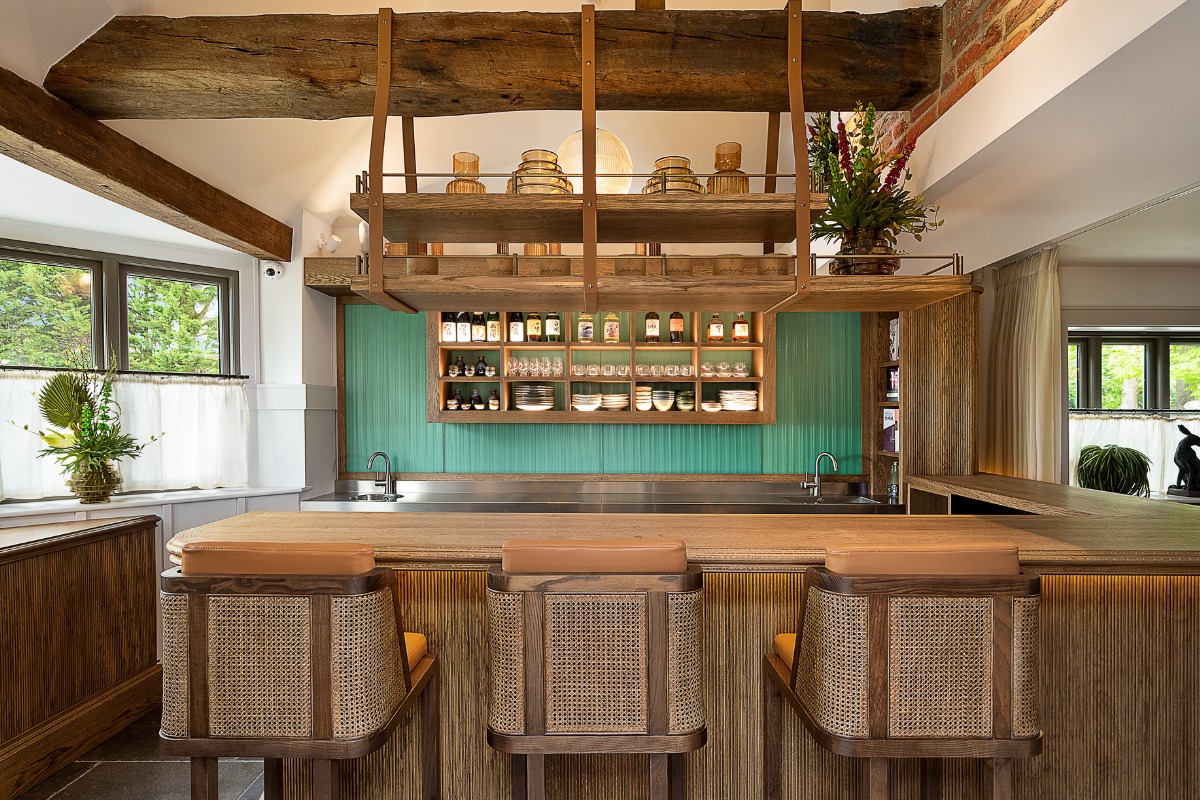
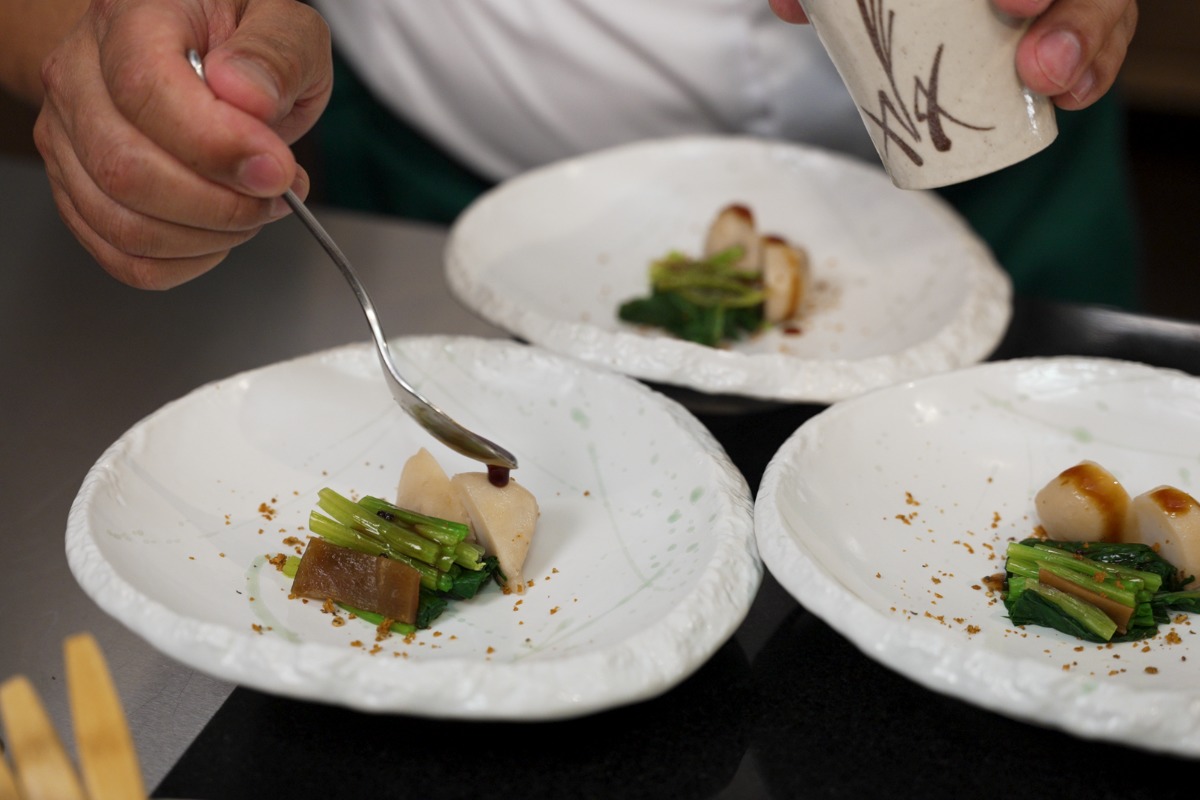
Together, these experiences demonstrate how boutique hotels are reimagining the role of chefs, transforming hotel restaurants into destinations where skill, innovation, and engagement elevate every meal.
A Shift From Convenience to Destination Dining
There was a time when hotel dining prioritised convenience above all else. But a new generation of boutique hotels has flipped that narrative entirely.
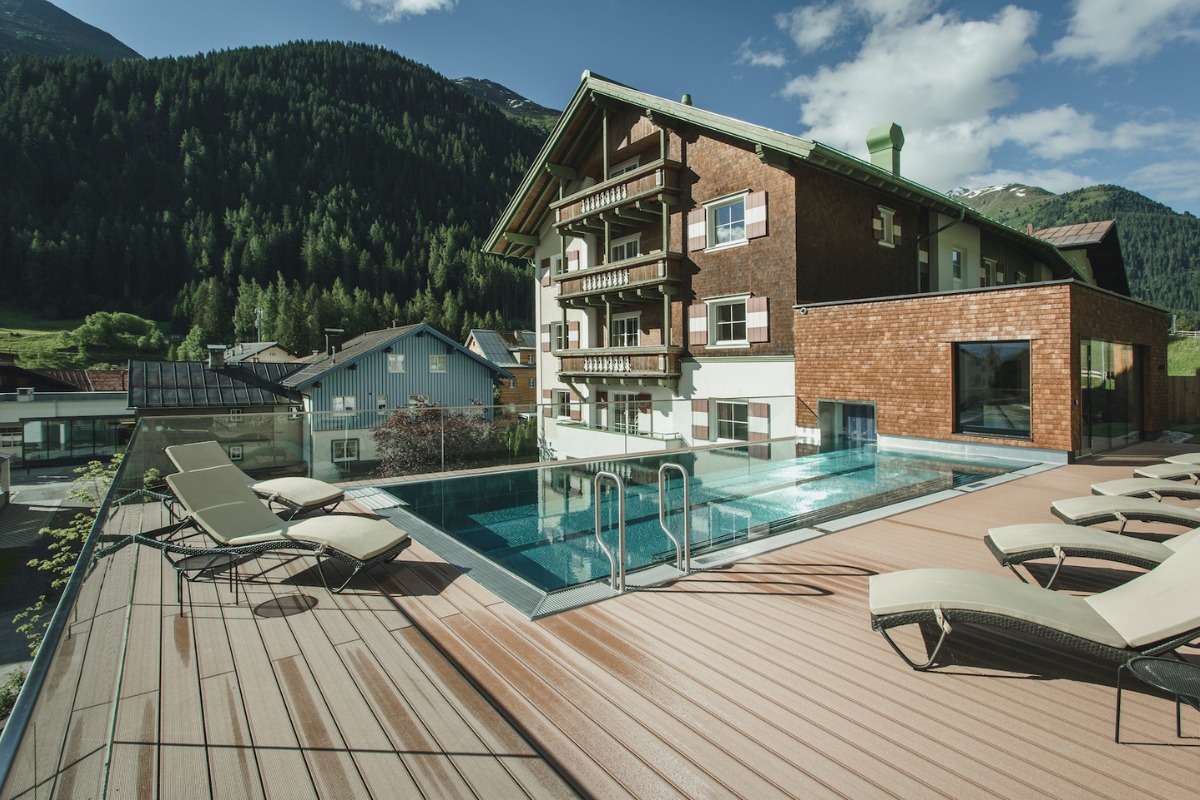
At Hotel Schwarzer Adler, dining is a cornerstone of the guest experience. Under Chef Stephan Dialer, the award-winning AdlerCuisine blends regional Tyrolean flavours with international finesse, earning accolades including two Gault&Millau toques and Michelin recognition. From breakfast through to evening service, each dish reflects a deep commitment to quality, craft, and creativity.
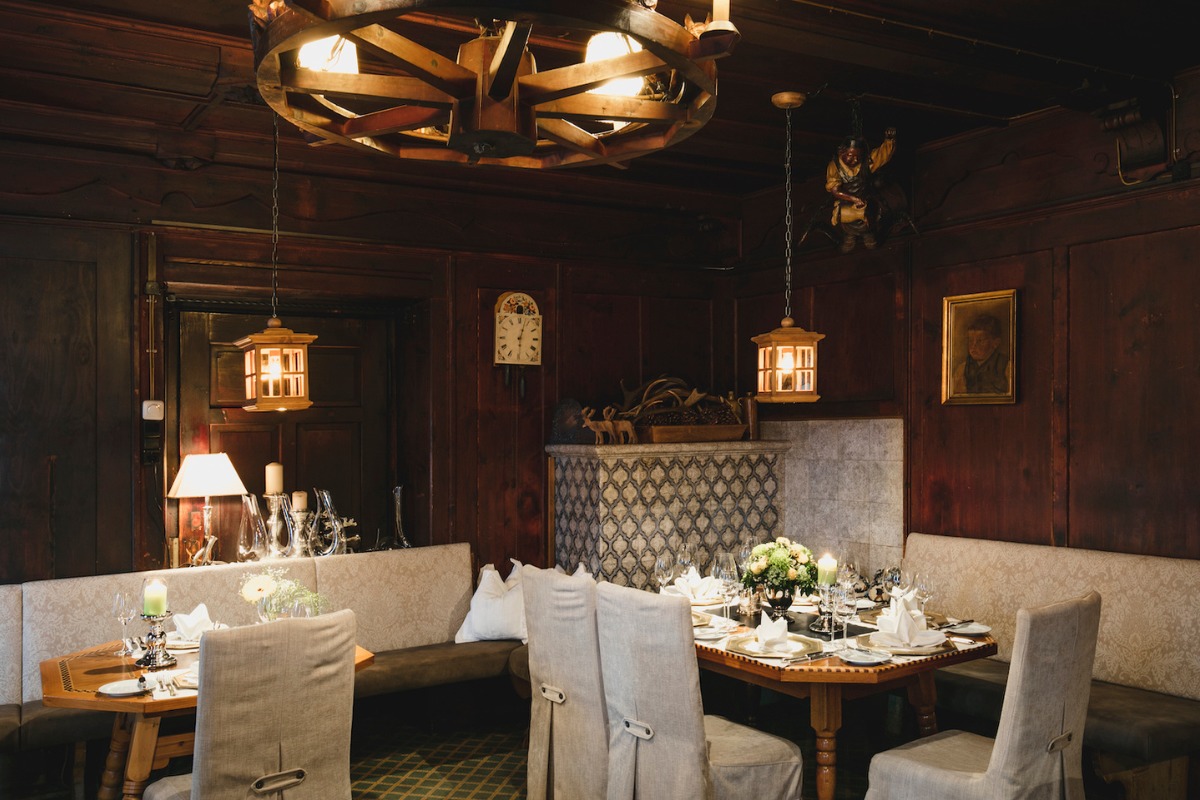
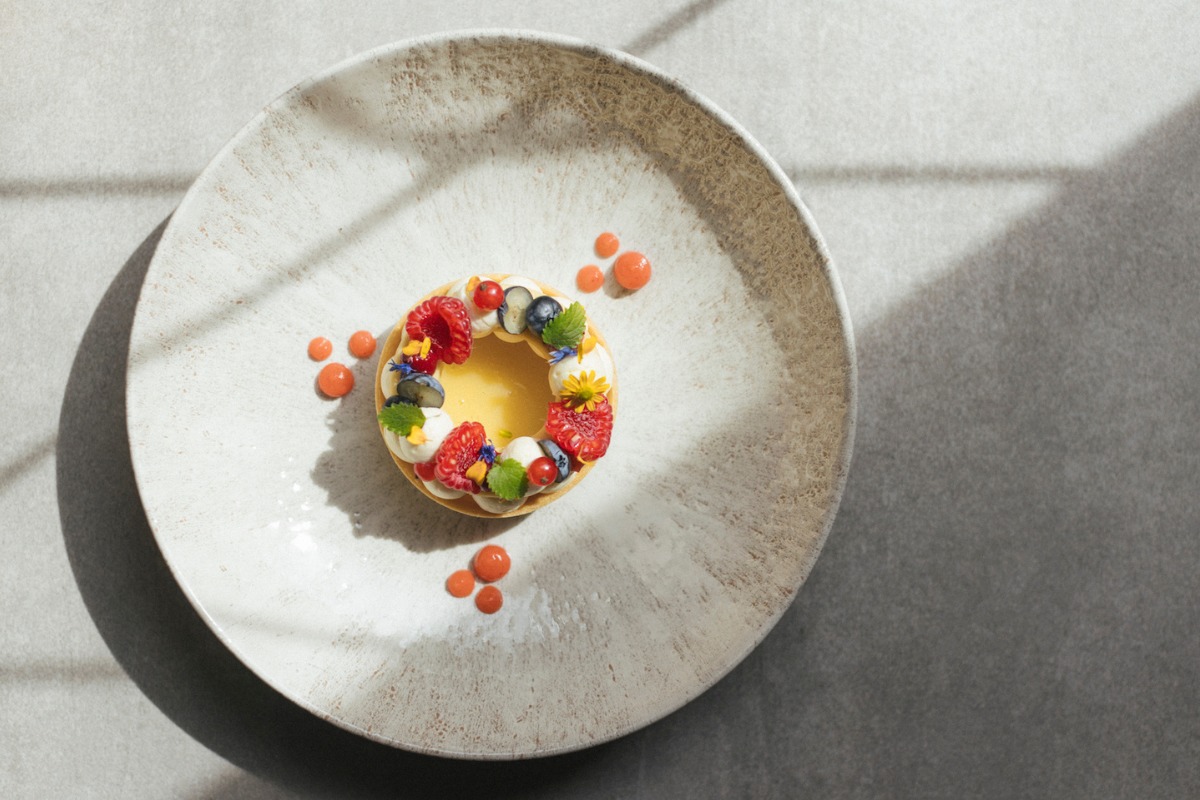
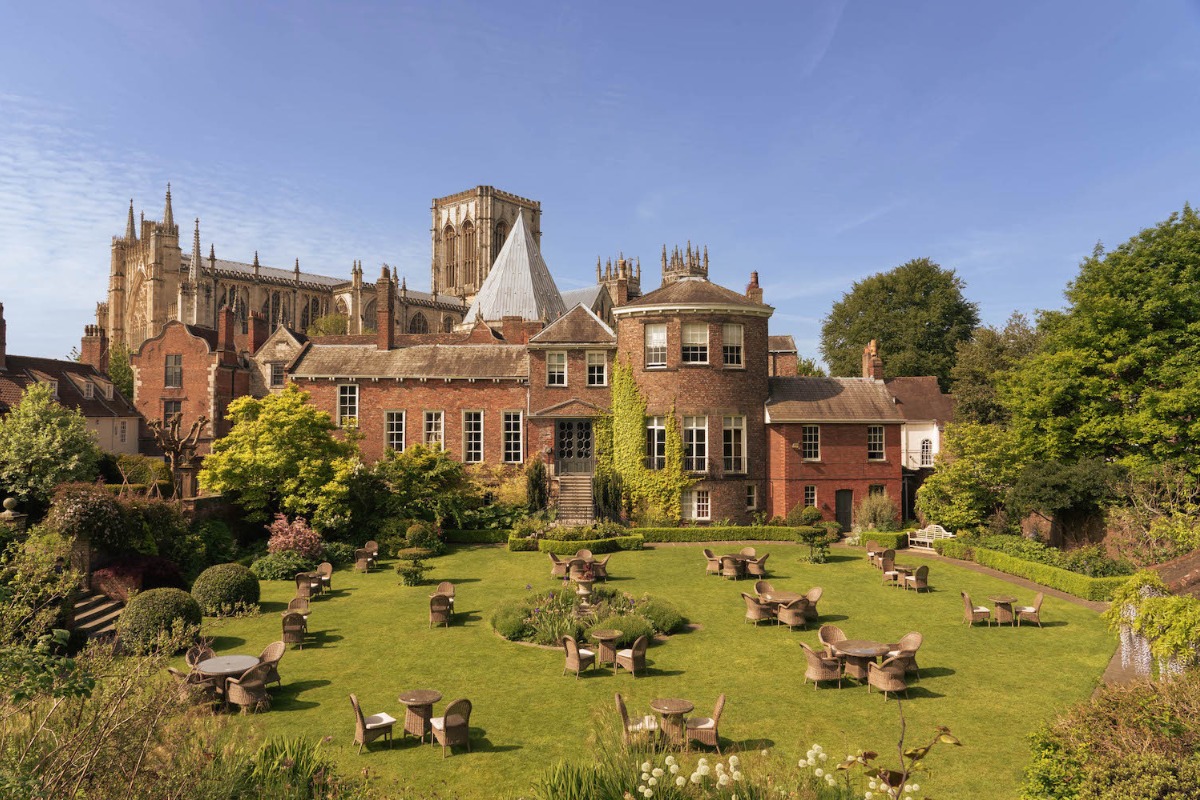
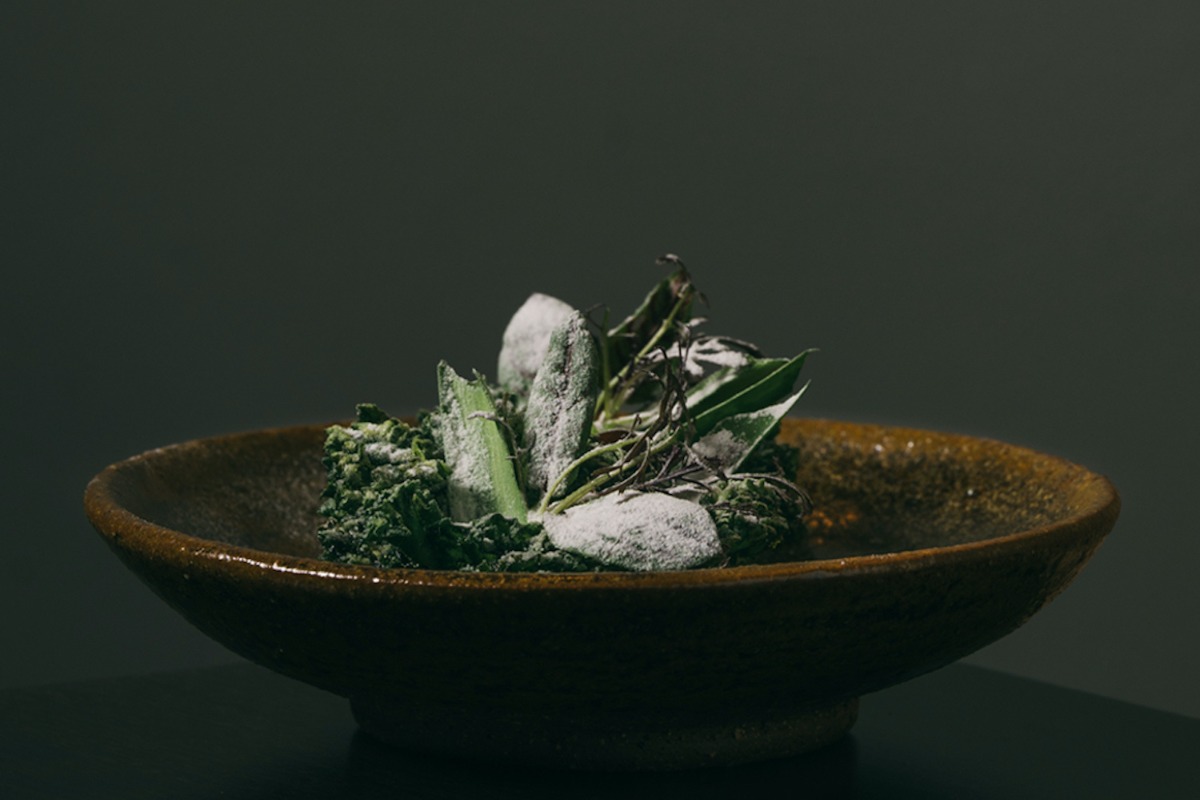
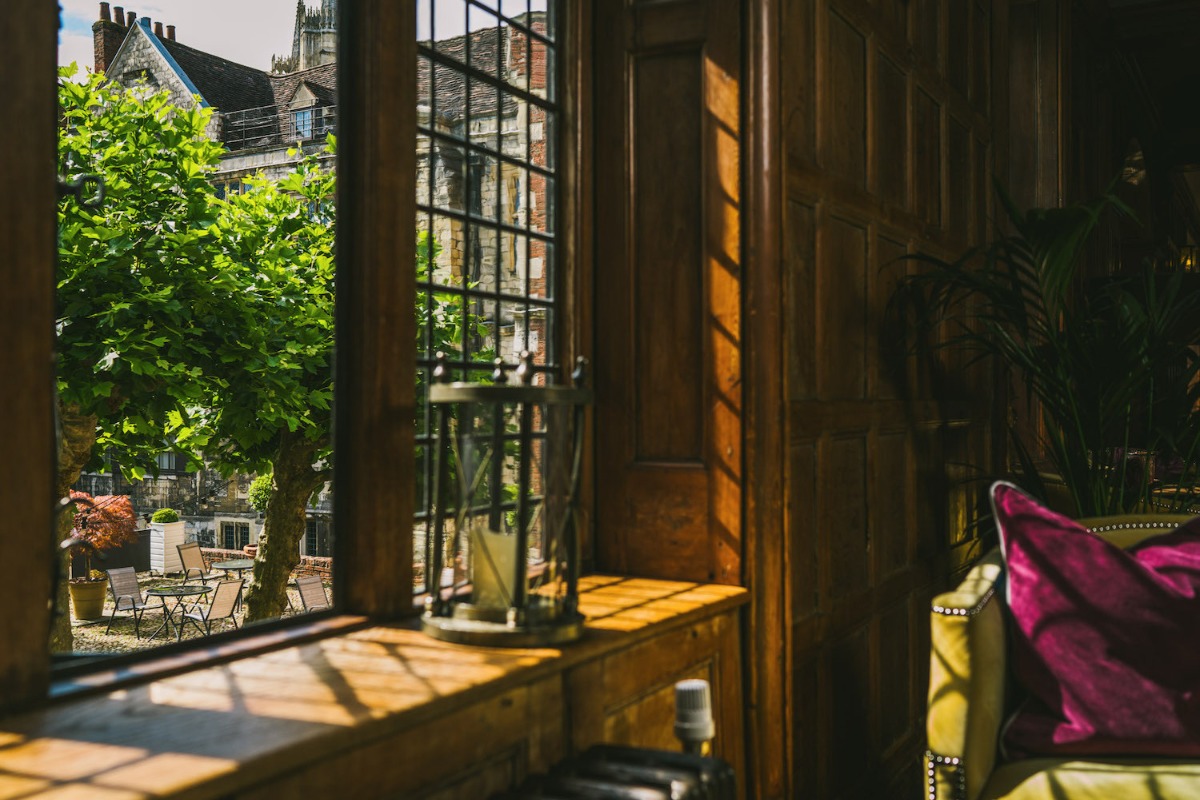
Similarly, at Grays Court Hotel, The Bow Room Restaurant elevates hotel dining into a destination experience. Set within a historic townhouse in York, Head Chef Ian Doyle—whose experience includes Michelin-starred kitchens in Waterford, Stockholm, and Copenhagen’s legendary Noma—crafts seasonal menus sourced from the hotel’s own kitchen gardens. The combination of exquisite cuisine, elegant interiors, and walled gardens ensures that dining here is as memorable as any standalone fine-dining experience.
This evolution reflects a broader movement: boutique hotels are no longer simply hosting restaurants—they are curating culinary experiences that draw travellers in their own right.
Wellness & Mindful Dining
Wellness is increasingly influencing hotel cuisine, with menus designed to nourish, balance, and inspire.
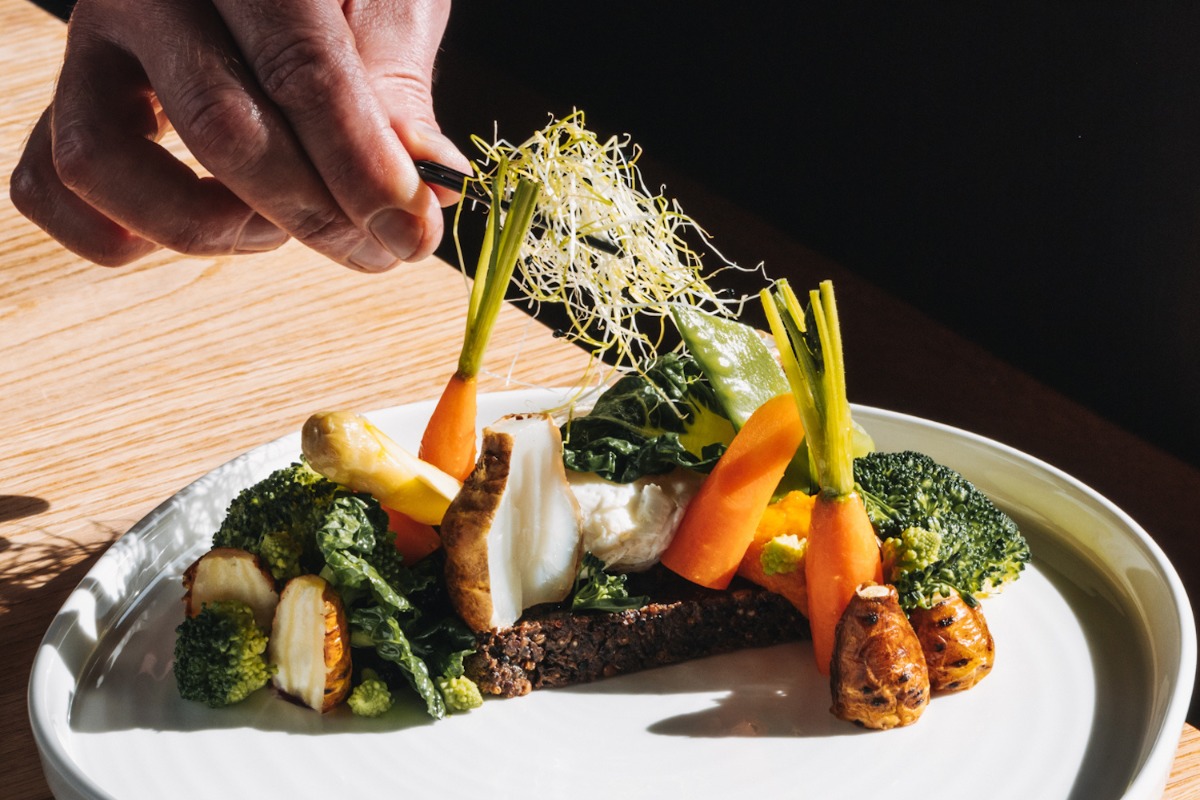
At Hotel Post Bezau, Head Chef Dennis Kellner presents two complementary culinary paths. The Gourmet Kitchen offers refined, indulgent dishes, while the Detox Kitchen draws on Traditional Chinese Medicine to deliver lighter, balanced meals. Both kitchens emphasise seasonal, sustainable, and locally sourced ingredients, connecting every plate to the region and the hotel’s eco-conscious philosophy.
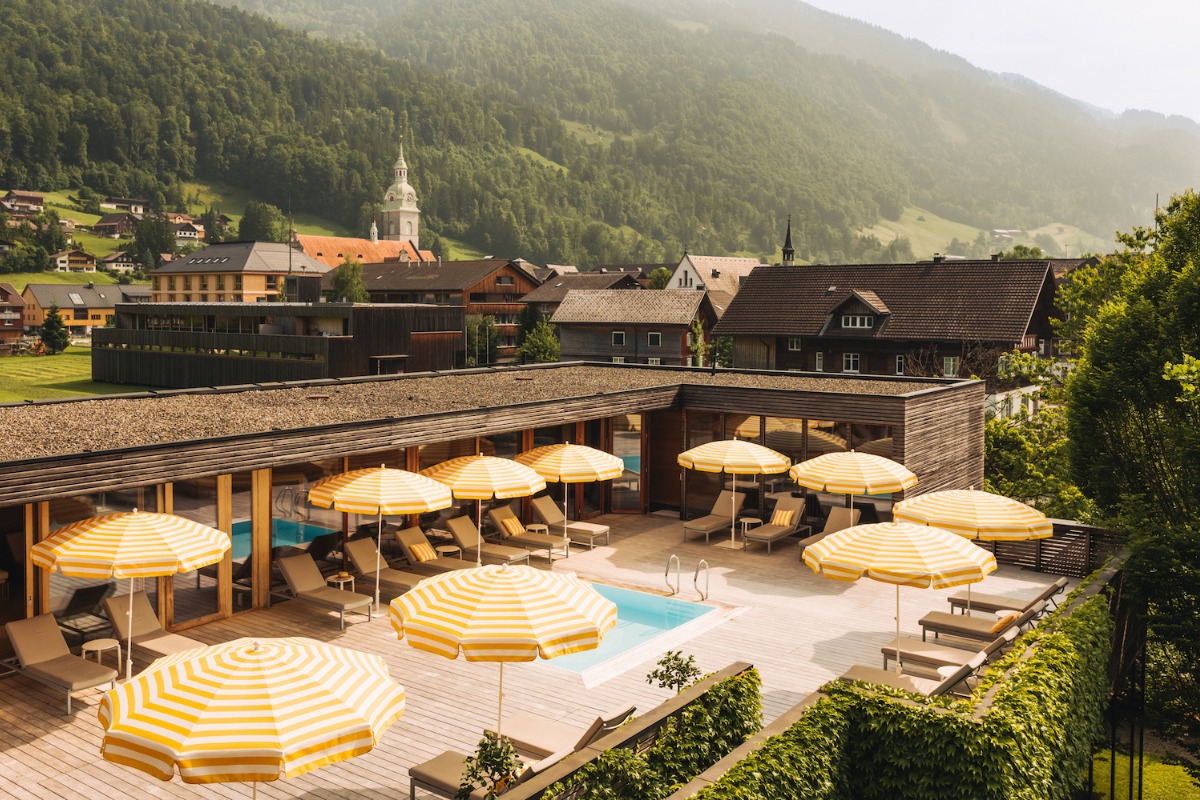

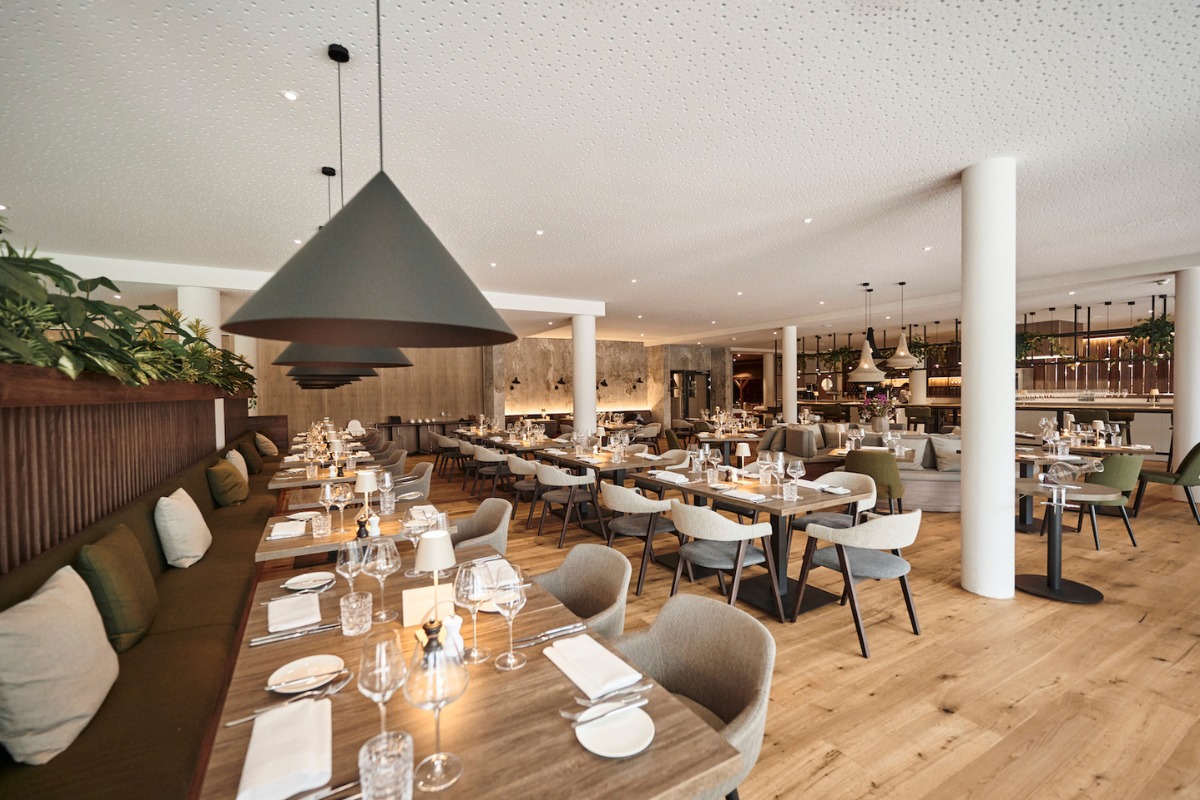
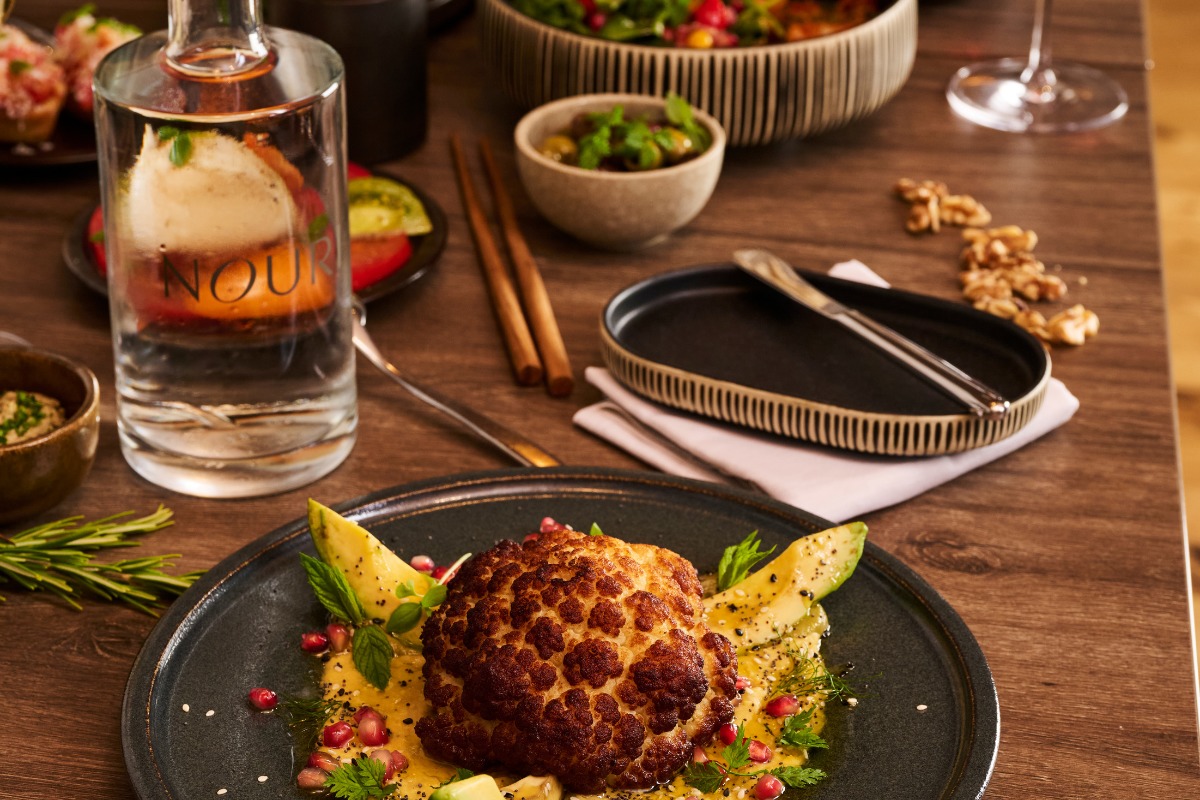
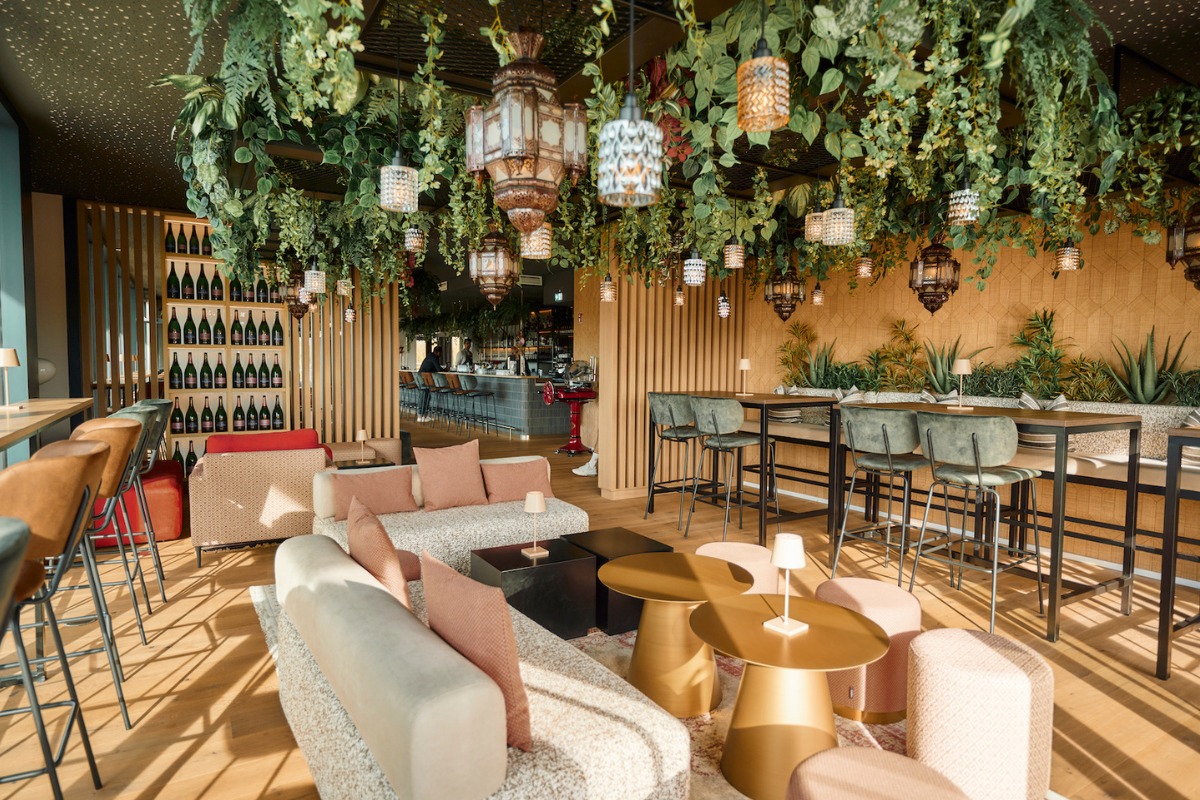
Nouri Hotel in Bad Krozingen similarly embraces holistic dining. At Nouri Taste, Head Chef Didier Sifferlen creates fresh, seasonal dishes inspired by German, French, and Swiss traditions, while the Moroccan-inspired rooftop bar View offers small plates and cocktails alongside sweeping treetop panoramas. Here, culinary creativity and wellness converge to offer a complete, thoughtful experience for every guest.
Why This Matters Now
The renewed focus on hotel restaurants reflects a deeper shift in how we travel. Guests are seeking experiences that feel curated, meaningful, and rooted in place—and food is one of the most powerful ways to achieve that.
Boutique hotels, in particular, are uniquely positioned to deliver this. With fewer rooms, stronger identities, and closer ties to their communities, they can create dining experiences that feel personal rather than performative.
The Future of Boutique Hotel Restaurants
Looking ahead, this evolution shows no sign of slowing. Expect more chef residencies, collaborative pop-ups, tasting menus, and hyper-local cuisine. Connections between kitchen, landscape, and design will continue to strengthen, cementing boutique hotel restaurants as culinary destinations in their own right.
In this new era, the best hotel restaurants are not just keeping pace with the world’s leading dining establishments—they are becoming them.
